
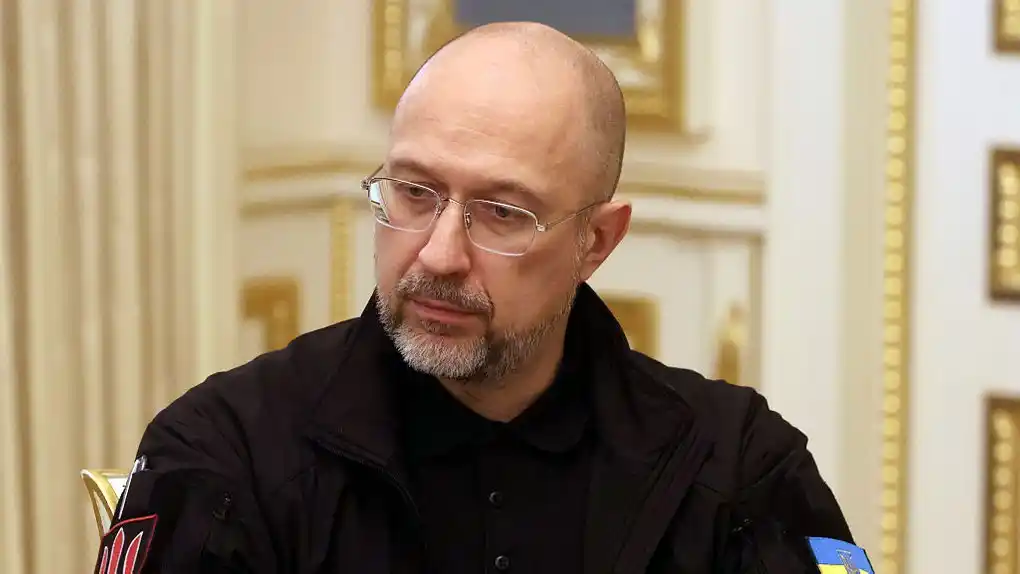
KYIV — Against the backdrop of a war that began on February 24, 2022, Ukraine’s political landscape has undergone a significant recalibration. Prime Minister Denys Shmyhal, the technocrat who has steered the government through the tumultuous years since the full-scale Russian invasion, has tendered his resignation. President Volodymyr Zelenskyy announced the move on September 3, 2024, during a meeting with senior officials in Kyiv.
Shmyhal submitted his resignation to the Verkhovna Rada, Ukraine’s parliament, setting the stage for what is being described as one of the largest cabinet changes since the start of the full-scale invasion. The resignation, however, is not yet final; it requires parliamentary approval, with a vote expected in the coming days.
A Shift in Wartime Governance
Shmyhal, who has served as prime minister since March 2020, was a steady presence in the corridors of Ukrainian power. A deputy prime minister before taking the top job, he was widely seen as a capable administrator rather than a political firebrand. His tenure spanned the prelude to the full-scale invasion and the grinding years of conflict that followed.
The reshuffle is part of Zelenskyy’s broader efforts to streamline governance. The move comes as Ukraine continues to face immense military and economic pressures, including a pressing need for sustained Western aid and reforms to combat corruption.
The announcement signals a shift in Zelenskyy’s approach to wartime governance, an attempt to inject new energy into the government and address public frustration over the pace of reforms. What is at stake in this reshuffle is not merely a change of faces. The war has placed extraordinary strain on Ukraine’s institutions, and the government in Kyiv must balance the demands of frontline defense with the need to keep the economy functioning and to demonstrate to Western partners that it is serious about anti-corruption efforts.
Continuity at the Top
Despite the scale of the changes, key ministers are expected to remain in their posts. Those for defense and foreign affairs, portfolios critical to navigating the war and maintaining international alliances, are likely to stay. Several other portfolios, however, may change hands, reflecting Zelenskyy’s desire to recalibrate the government’s focus.
The wider picture is one of a nation at war, where governance itself is a form of combat. The resignation of Shmyhal, a figure associated with the steady management of the state apparatus, suggests that Zelenskyy believes a different kind of leadership is now needed.
The coming vote in the Verkhovna Rada will determine whether parliament agrees, and will set the stage for the next phase of Ukraine’s wartime government.




