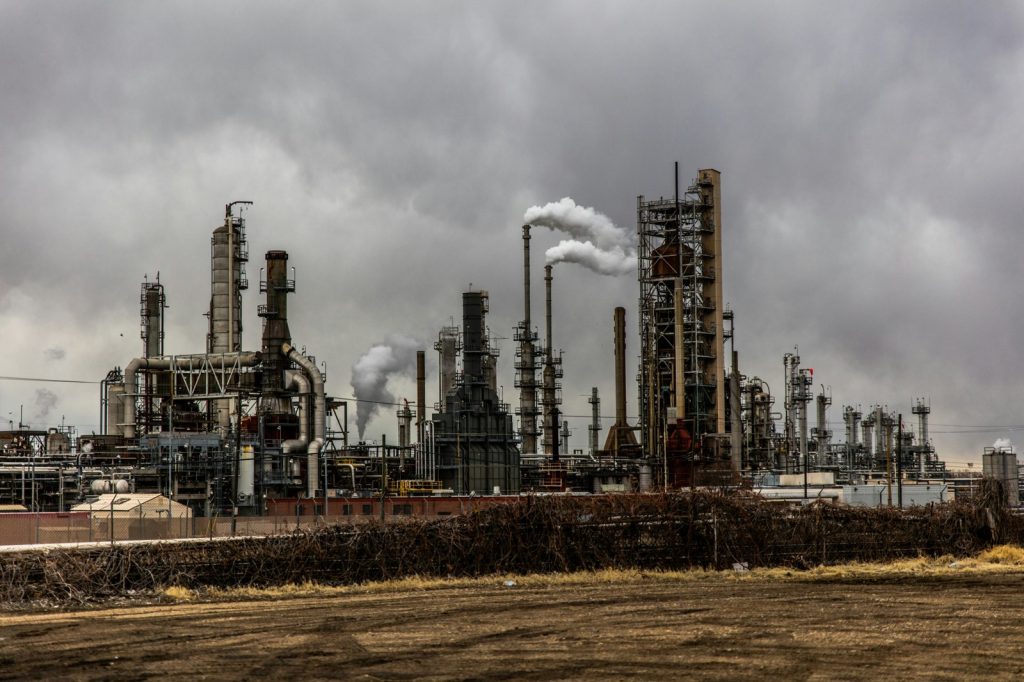
“This is the deepest long-range strike on enemy territory during the entire time of the full-scale invasion.” That was how Ukraine’s Special Operations Forces described Monday’s attack on the Omsk oil refinery, posting on their Telegram channel. The plant, in Western Siberia, is the biggest in Russia.
Omsk governor Vitaly Khotsenko confirmed that “enemy UAVs” had attacked the site and said no casualties had been reported yet. He told residents not to “approach the debris” but said nothing on the scale of the damage.
Video on social media was less restrained. It showed at least one large fire and several columns of the refinery’s main processing unit, the ELOU-AVT-11, pouring out smoke. The Special Operations Forces called that unit “the most important unit of the enterprise” and said it had been hit. They also said this was Ukraine’s first strike on Omsk.
How far the drones flew
Business Insider put the distance from Ukrainian territory at about 1,700 miles, roughly Los Angeles to Houston. Azat.tv gave nearly 2,500 kilometers. Ukrainian forces call it their longest drone attack of the war.
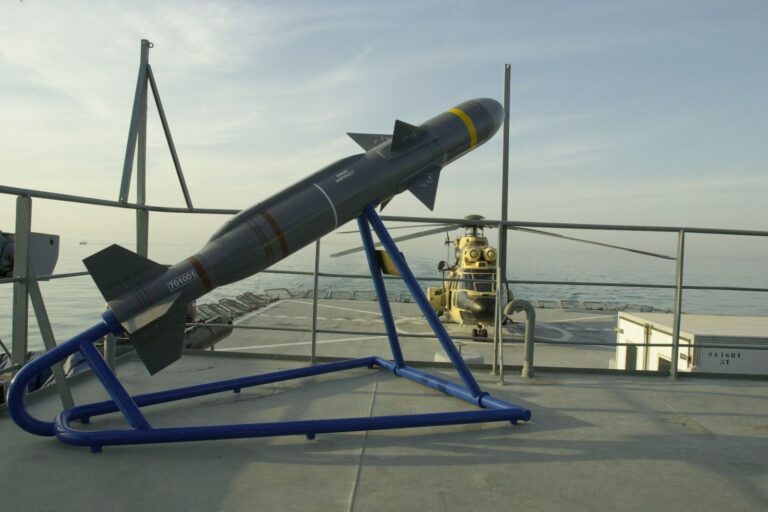
Denys Shtilierman, chief designer at the Ukrainian firm Fire Point, wrote on X that a new variant of the company’s FP-1 drone took part. The FP-1 is a fixed-wing one-way attack drone that normally carries up to 60 kg. Its initial range was 1,000 miles, later stretched to 1,600. Shtilierman said the newest jet-launched version can fly 2,110 miles, comfortably more than the trip to Omsk. Fire Point did not immediately respond to a request for comment.
President Volodymyr Zelenskyy mentioned the strike in his nightly address and called it an “important achievement.” In his words, “Upgraded Firepoint drones have put Siberia within reach of Ukrainian precision.”
What stopped at Omsk
The refinery belongs to Gazprom Neft and handles about 21 million tons of oil a year. Industry sources told Azat.tv the strike set fire to the CDU-10 crude distillation unit, which accounts for about 38% of the plant’s capacity, and that a second unit, CDU-11, went offline after damage to essential network infrastructure. Anatoly Seryshev, the presidential representative in Siberia, confirmed the damage on Tuesday. Repairs are under way, he said, with no date given for full output. The St. Petersburg International Mercantile Exchange reported that the refinery stopped selling gasoline and diesel right after the attack.
The timing drew attention too. The strike came on the eve of a NATO summit in Ankara.
A campaign picking up speed
Long-range drones are slow but much cheaper than conventional missiles, and they anchor Ukraine’s effort to weaken Russia’s oil and gas industry. Kyiv reports more than 50 attacks on Russian oil infrastructure since March. Last week, Ukraine’s General Staff said those strikes had reached about 42% of Russia’s total refining capacity.
The strain shows at home. Slightly more than half of Russia’s 83 regions have brought in fuel rationing in recent weeks, and official figures show national gasoline output down 17% to 850,000 barrels a day. Vladimir Putin admitted earlier this month that Russia was dealing with fuel shortages, though he called them temporary and “not critical.” He said Moscow plans to speed up production of air defense systems to cover its refineries.
Sources
- Ukrainian drones flew all the way to Siberia to strike Russia's largest oil refinery
- Ukrainian Drones Hit Russia’s Largest Oil Refinery; Zelenskyy Declares Siberia ‘Within Reach’