
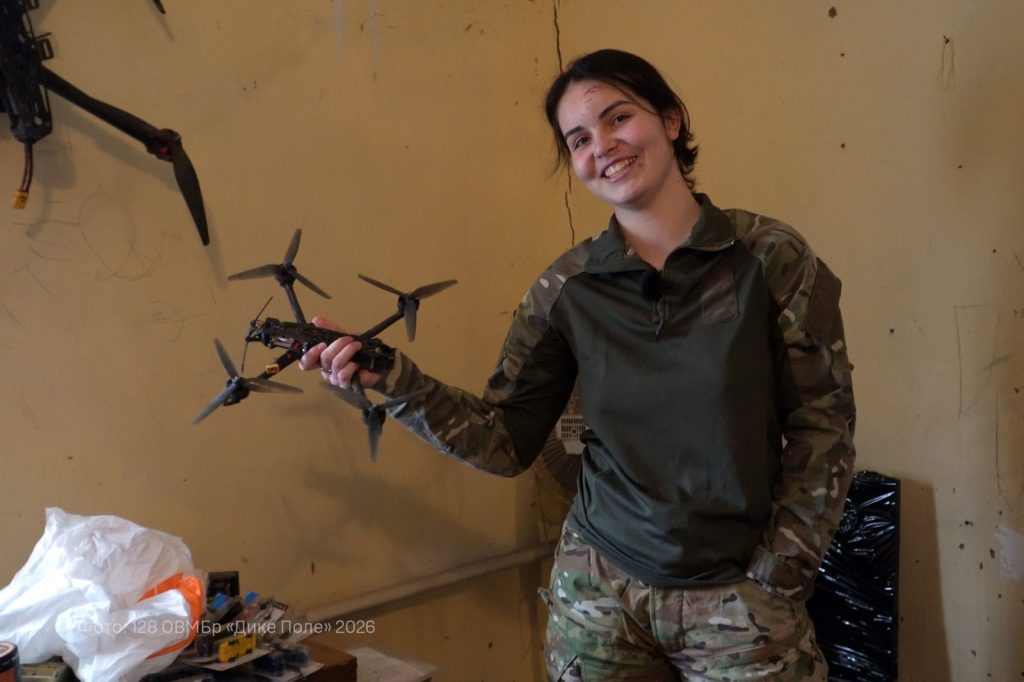
In 2022, the typical Ukrainian FPV drone carried 7 inch propellers. Today the larger 9-10 inch quadcopters dominate operations, a change driven by the need for heavier payloads and longer flights, according to a March 2025 analysis from the Center for Strategic and International Studies.
That one detail says a lot about how fast the drone war has moved. Since February 2022, Ukraine has put more than 200 domestically developed unmanned aerial systems and more than 40 ground robotic platforms into service, CSIS reported. In the first nine months of 2024 alone, 140 UAV complexes and 33 ground robotic systems were approved for use.
Output at industrial scale
Defence Minister Rustem Umerov put 2024 production at roughly 2 million drones. More than 1.5 million were FPV models. About 96.2 percent of the UAVs Ukrainian forces used that year were made at home.
The money followed. In October 2024, Ukraine’s Ministry of Defence said 1.6 million UAVs of various types had been contracted over ten months, worth over UAH 114 billion, or about EUR 2.55 billion. European Security & Defence reported that the Defence Forces were receiving around 200,000 drones a month by early 2025, and that more than 500 companies were building them, with over 240 projects certified by the ministry.
Reach grows from nothing to 1,500 km
Deep strikes barely existed at the start. Per European Security & Defence, Ukraine launched none in 2022, and drones rarely featured in the long-range attacks of 2023. By April 2025 the picture had flipped: Russian territory within 1,500 km of the border was exposed.
The Antonov An-196 Liutyi can deliver an explosive payload more than 1,000 km away. A converted two-seater sports plane can carry 200 kg out to 1,200 km. On the night of 6 November 2024, Ukraine hit a Russian Navy Caspian Flotilla base in Kaspiysk, nearly 1,500 km from its own territory. President Zelenskyy said Ukraine intended to produce nearly 30,000 long-range drones in 2025.
At sea, unmanned surface vessels such as the Magura V5 became a distinct arm of the war.
A branch of its own
Zelensky signed Decree 51/2024 on February 6, 2024, creating the Unmanned Systems Forces. Colonel Vadym Sukharevsky was named first commander by June 10, 2024, and the Verkhovna Rada confirmed the branch in law on September 3, 2024. East Reporter, marking the first year of the group under commander Robert Brovdi, cited 1,650,000 combat missions, roughly 5,000 sorties a day and 350,000+ verified unique enemy targets.
Autonomy is the next step. Ukraine began buying 10,000 drones with AI-enhanced autonomy in 2024. In December of that year, forces carried out the first fully unmanned operation near Lyptsi, north of Kharkiv, using dozens of uncrewed ground vehicles and FPV drones with no infantry involved.
Jamming is the constant threat. CSIS notes that both sides run electronic warfare systems built to cut drone links, sensor feeds and command chains, which is why the push toward onboard autonomy matters so much.
Sources
- Ukraine's Future Vision and Current Capabilities for Waging AI-Enabled Autonomous Warfare (CSIS)
- The development of unmanned systems in Ukraine (European Security & Defence, Alex Horobets)
- The Birds That Changed the War: One Year of Ukraine's Unmanned Systems Forces (East Reporter)




