
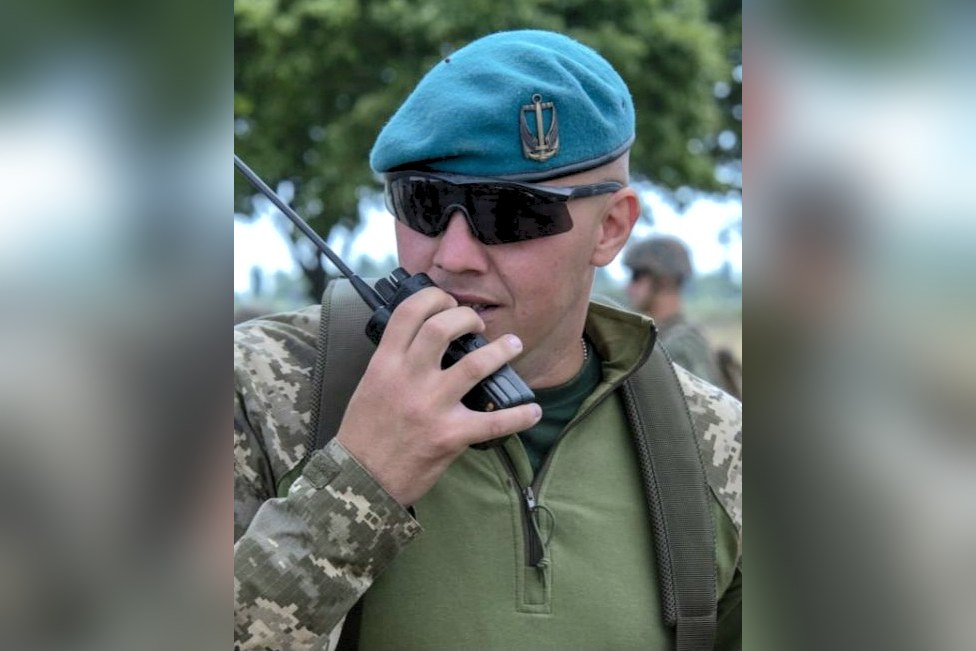
KYIV, July 14 — The shift is unmistakable on the modern battlefield, and Colonel Vadym Sukharevskyi is at its center. Appointed in February 2024 as the first commander of Ukraine’s Unmanned Systems Forces (USF), Sukharevskyi is overseeing what could be the most rapid transformation in modern warfare: the replacement of manned missions with drones. His path to this role began on the ground.
Before taking command of the USF, Sukharevskyi led the 59th Motorized Brigade, where he first began integrating drone operations into conventional tactics. That experience in the Donbas war, which started in 2014, gave him a frontline understanding of what technology could change.
He has since received the Order of Bohdan Khmelnytsky for his service.
The Numbers Under the Hood
The Unmanned Systems Forces have grown fast under his command. Since its founding, the branch has conducted over 100,000 drone sorties. On May 20, 2025, the USF reported striking over 1,500 Russian targets and 15 vessels in a single 24-hour period.
That is a pace of operations that would have been unthinkable just a few years ago. Sukharevskyi has focused on three drone types: FPV drones for close tactical strikes, long-range attack drones for deep logistics degradation, and naval drones to challenge Russia’s Black Sea fleet.
The strategy is blunt—degrade Russian logistics and naval capabilities, systematically.
Domestic Production at Scale
Ukraine produced over 2 million drones domestically in 2024. That production base is the industrial backbone of Sukharevskyi’s vision. He has publicly stated that the USF aims to achieve technological parity with Russia.
But parity is only part of the goal. The deeper objective is reducing Ukrainian casualties by replacing manned missions with drones wherever possible.
The trend underneath is clear: this is not a niche experiment. The USF is being built as a permanent, independent branch of Ukraine’s military, not a temporary adaptation. Sukharevskyi’s background—commanding a motorized brigade, then pivoting to lead drone forces—mirrors the broader shift in how wars are fought.
What’s changing is the speed of adoption. In previous conflicts, drone technology trickled in over years.
Here, Sukharevskyi has pushed for rapid technological adaptation from day one. The result is a force that can strike over a thousand targets in a day, using platforms built domestically and deployed by operators who learned their trade in the Donbas. Watch this space.
If the USF continues its current trajectory, the model Sukharevskyi is building could become the template for how smaller, technologically agile forces counter larger conventional militaries. The colonel’s own career—from brigade commander to drone force architect—tells the story. The battlefield is changing, and he is writing the new playbook in real time.




