
Smolensk governor Vasily Anokhin called it a “massive drone attack on civilian infrastructure.” That was the account from one of several Russian regions hit overnight on January 29, 2025, when Ukrainian drones went after oil and power facilities in the west of the country.
The Kyiv Independent, which said it could not immediately verify the claims, relayed reports of strikes in the Nizhny Novgorod, Smolensk, Tver and Bryansk regions. The heaviest damage appeared to be in Kstovo, Nizhny Novgorod, where the Lukoil Nizhegorodnefteorgsintez refinery was reported to have caught fire. Local Telegram channels and video circulating online showed flames at the site. Governor Gleb Nikitin said air defenses intercepted several drones and that debris fell on the industrial area; he reported no injuries. A military intelligence source later claimed multiple Ukrainian drones had struck the refinery.
Elsewhere the picture was patchier. In Smolensk, one drone aimed at a nuclear energy facility was intercepted. Near Andreapol in Tver region, a town of about 8,000 people, air defenses shot down several more. Russia’s Ministry of Defense said it downed 26 drones over Bryansk and reported neither casualties nor damage there.
A campaign that kept growing
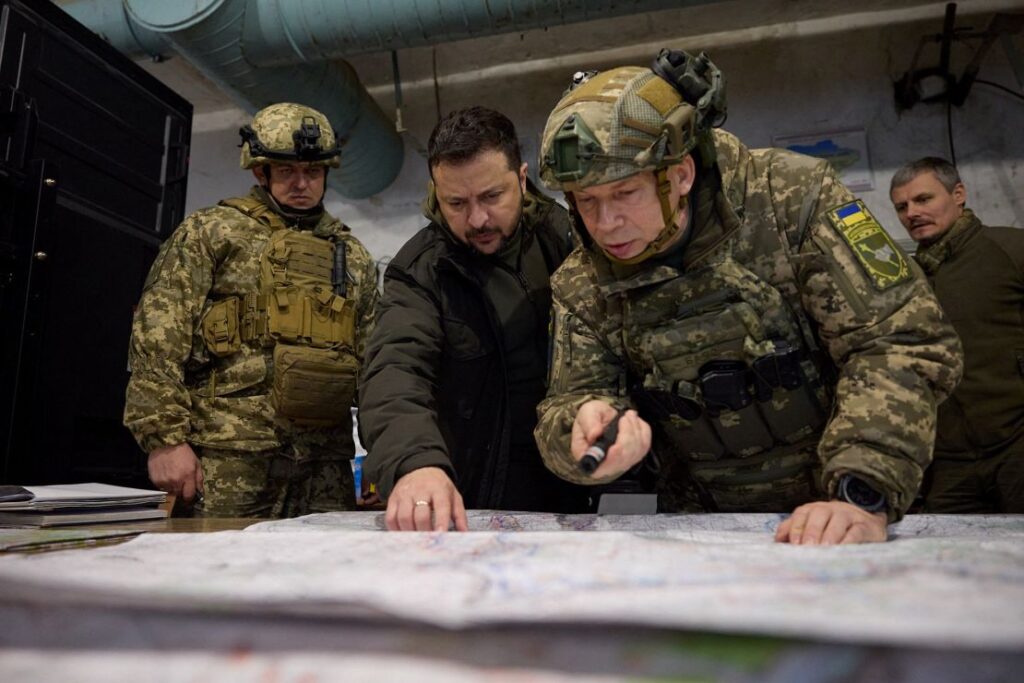
The January raid was one episode in a campaign that Ukrainian leaders had pushed for some time. In March 2024, Commander-in-Chief Oleksandr Syrskyi named unmanned systems a priority and said he was working with his deputy Vadym Sukharevskyi on new military technology. He framed the goal as “asymmetric solutions to gain a qualitative advantage over a quantitatively superior enemy.” Sukharevskyi had said earlier that Ukraine’s 2024 battlefield plan leaned heavily on drones while keeping existing weapons in service. The Kyiv Independent noted that former commander-in-chief Valerii Zaluzhnyi had likewise stressed electronic warfare as central to modern conflict.
By late 2025 the reach had changed dramatically. Euronews reported in November 2025 that drones built in Ukraine now hit targets up to 1,000 kilometers away, double the range of a year earlier. A commander with the callsign Fidel put it plainly: “Instead of flying 500 kilometres, now they fly 1,000.”
What the strikes achieve
Euronews cited the Carnegie Endowment, which counts 16 major Russian refineries hit repeatedly, about 38% of Russia’s refining capacity. President Volodymyr Zelenskyy claims gasoline supply has fallen by up to 20%. The International Energy Agency estimates refining capacity is down roughly 500,000 barrels daily, which has caused fuel shortages inside Russia and squeezed diesel and jet fuel exports.
Analysts are less sweeping. Most refineries resume work within weeks, and fewer than 30% of launched drones reach their targets. The Liutyi, a workhorse drone with a sausage-shaped body and triangular tail, costs approximately $55,000 to make and can be assembled and hidden in scattered workshops. Adriano Bosoni of the risk firm RANE said that “Ukraine is getting better at taking the war inside Russia.”
Sources
- Drone Strikes Target Multiple Russian Regions, Hit Oil Refinery in Nizhny Novgorod
- Built in the shadows, launched at night: Ukraine's long-range drone strikes on Russian refineries
- Syrskyi calls unmanned systems 'priority'




