
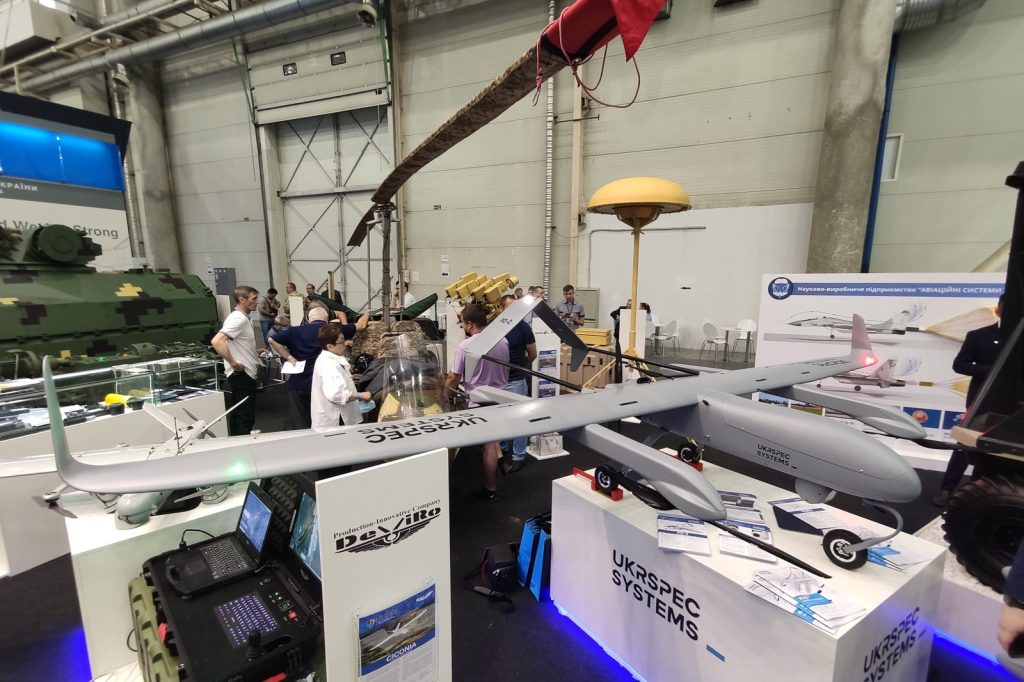
The record shows a manufacturing transformation. In the early stages of the war, Ukrainian domestic drone output was measured in the thousands; by 2024 the measure was millions. Government data cited in a June industry analysis records more than 1.5 million drones purchased during 2024, and official plans for 2025 called for acquiring approximately 4.5 million first-person-view drones alone. Before 2022, the analysis notes, Ukraine had innovative drone companies but nothing approaching the industrial scale of the major global producers; today its manufacturers collectively form one of Europe’s largest concentrations of drone-making capability.
The industry’s origins were improvised. From 2014, organizations such as Aerorozvidka had demonstrated the worth of small unmanned aircraft for reconnaissance and for correcting artillery fire, and frontline units flew off-the-shelf quadcopters. Volunteer groups filled capability gaps, crowdfunding campaigns bought what became known as “people’s drones.” Small workshops built improvised payload release mechanisms, and the state then cleared the path: import duties and value-added tax requirements on drone equipment were reduced, certification procedures simplified, changes credited with creating the conditions for explosive growth.
Officials confirmed, in budget terms, how central the state has become. For 2025 Ukraine allocated roughly seventeen billion dollars to domestically produced drones and related defense technology, with later amendments adding billions more; the Ministry of Defense separately unveiled plans to spend above two billion dollars on drones during the year. The ecosystem now counts more than 200 manufacturers and suppliers, plus software and support firms, including Ukrspecsystems, Skyeton, DeViRo and Terminal Autonomy. Design cycles that once took years inside conventional procurement now happen in weeks, driven by feedback directly from the front.
The capability trend runs toward autonomy. A March 2025 assessment by the Center for Strategic and International Studies finds AI deployed only partially, mainly in aerial systems, with human oversight still central to engagement decisions. Automatic target recognition ranges have nonetheless stretched from 300 meters to a combat average of 1 km, up to 2 km in good conditions, and drones with autonomous navigation raise strike success rates from roughly 10 to 20 percent to a band around 70 to 80 percent, so that one or two drones can now do the work of eight or nine. Ukrainian forces began buying 10,000 AI-enhanced drones in 2024, a small fraction of the nearly 2 million drones the country built that year.
The context, plainly: a captured Russian soldier’s account, quoted in the CSIS report, ends “It’s a drone war.” Challenges remain on the record. Many critical components, from motors and cameras to microelectronics, batteries and communications hardware, still depend on foreign supply chains; electronic warfare forces continuous redesign; and some companies are exploring manufacturing capacity outside Ukraine while keeping research and development at home. The trajectory, in the analysis’s words, is that “Precision has never been cheaper than it is today.”
Sources
- Ukraine’s Future Vision and Current Capabilities for Waging AI-Enabled Autonomous Warfare
- Drone Warfare: Ukraine’s Drone Industry, Part 1 – Manufacturing Boom – Hackers Arise




