
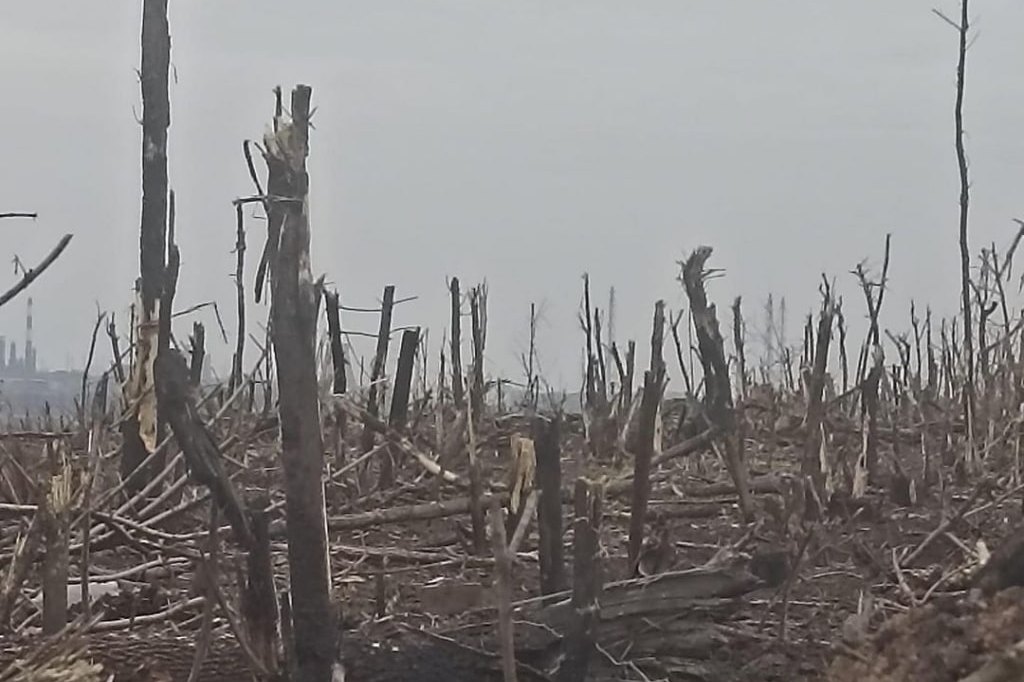
KYIV, July 15 — The mechanics of Russia’s war in Ukraine have shifted from a blitzkrieg gamble to a grinding war of attrition, and the latest casualty figures lay bare the cost. The Institute for the Study of War estimated that as of August 2024, Russian forces had suffered over 600,000 casualties — killed and wounded — since the invasion began on February 24, 2022. The Ukrainian General Staff, for its part, reported that Russia had lost over 10,000 tanks, 20,000 armored vehicles, and 1,000 aircraft.
The catch: none of those Ukrainian figures are independently verified.
The Human Toll and the Defense Budget Bite
The human toll is staggering. U.S. intelligence estimates put the number of Russian soldiers killed at over 100,000, with many more wounded. The Kremlin has managed to insulate the domestic population from the full scale of the losses through censorship and a steady drumbeat of state propaganda.
Follow the money, and the picture is equally stark. The U.S. Department of Defense calculated that the war has cost Russia an estimated $200 billion in direct military expenditures.
To sustain the war effort, Russian defense spending reached 6% of GDP in 2024 — the highest since the Soviet era.
Stripping the Periphery to Feed the Front
The mechanics here are revealing. Western sanctions have sharply limited Russia’s ability to produce new high-tech weapons, forcing its military to draw down older Soviet-era stockpiles at an accelerating rate. The redeployment of Arctic air defenses is part of a broader pattern: Russia is stripping assets from other regions, including the Kaliningrad exclave and the Caucasus, to plug gaps on the Ukrainian front.
That pattern carries risks beyond Ukraine. By thinning out its defenses in the Arctic and Kaliningrad, Russia is reducing its strategic posture in theaters that have long been priorities for Moscow.
What to Watch Next
The key variable going forward is sustainability. Russia can keep feeding men and materiel into the meat grinder, but the quality of both is degrading. The reliance on older equipment means higher losses per engagement, and the casualty figures show no sign of plateauing.
For Ukraine, the challenge is maintaining Western support long enough to exploit Russia’s attritional weakness. For the Kremlin, the question is whether the economy — and the political system — can absorb another year of 6% defense spending and 600,000-plus casualties without cracking.




