
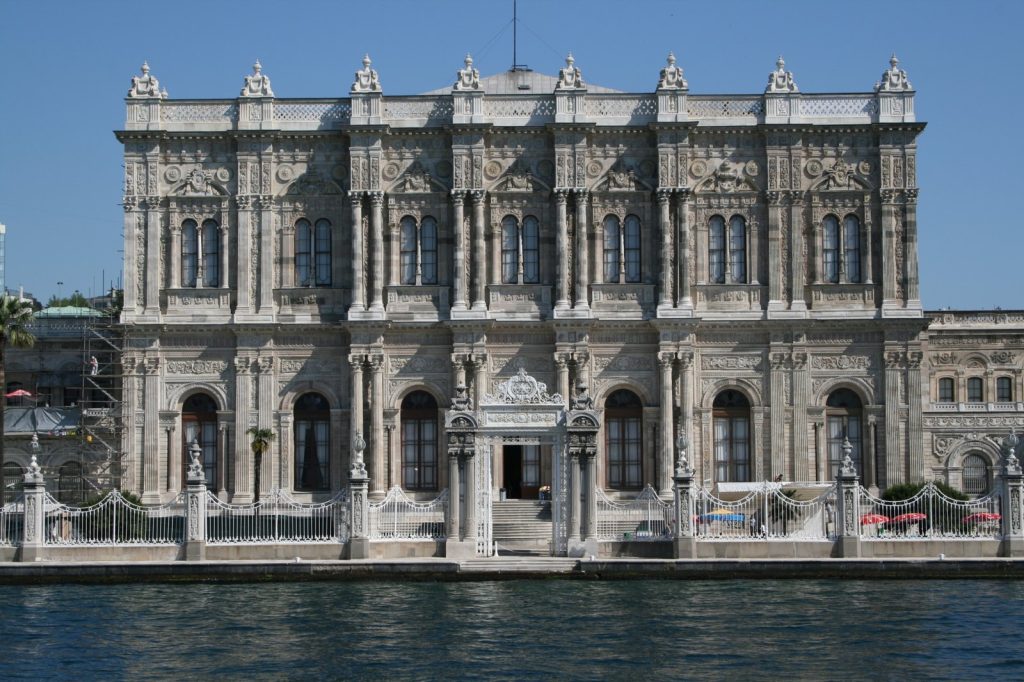
ISTANBUL — Against this backdrop of grinding artillery duels and diplomatic silence, the faint outlines of a renewed peace process are once again being sketched in the corridors of European power. The sporadic negotiations between Kyiv and Moscow, which have flickered and died several times since the full-scale invasion began, remain stalled on the same fundamental questions of land and sovereignty that have defined this conflict from its earliest days. The most substantive talks occurred in the spring of 2022.
In late February and early March of that year, delegations met in Belarus. Those initial sessions produced a draft framework that contemplated Ukrainian neutrality in exchange for security guarantees.
The talks then moved to Istanbul in March 2022, where the contours of a potential settlement appeared tantalisingly close. But the discovery of civilian killings in Bucha shattered the fragile trust. The draft collapsed, and the war entered a far more brutal phase.
What is at stake in any future negotiation is nothing less than the post-war architecture of European security. Since the collapse of the Istanbul talks, mediators including Turkey, the United Nations, and Saudi Arabia have each attempted to broker a breakthrough.
None has succeeded. The core obstacle remains territorial: Russia demands recognition of its annexation of four Ukrainian regions — Donetsk, Luhansk, Zaporizhzhia, and Kherson — a move formally declared in September 2022 and rejected by virtually the entire international community. Ukraine, for its part, insists on the restoration of its full territorial integrity within its internationally recognised borders.
There is, at present, no visible middle ground.
The weight of broken agreements
The wider picture is complicated by a history of violated ceasefires. The Minsk agreements of 2014 and 2015, brokered after Russia’s initial annexation of Crimea and the outbreak of war in the Donbas, were meant to halt the fighting and create a path to political settlement. Instead, they became a byword for diplomatic failure.
Russia violated those agreements repeatedly, and the frontline in eastern Ukraine never truly stabilised. Any future ceasefire would require both parties to halt military operations, a process that would likely be monitored by international observers.
But the memory of Minsk hangs heavily over any new initiative, and Ukrainian negotiators are acutely aware that promises made in a conference room do not always hold on a battlefield. Diplomatic sources familiar with the discussions indicate that a future peace deal would contain several familiar elements. A demilitarized zone along the line of contact would separate the two armies.
Ukraine would receive security guarantees from Western powers, a provision designed to prevent any future Russian aggression. And Russia would obtain some measure of sanctions relief, a concession that Moscow has long demanded as a condition for any serious negotiation.
The precise shape of these components remains undefined, and the sequencing of any such deal — which concession comes first — is itself a major point of contention.
The view from Europe
From the European perspective, the stakes could hardly be higher. The war has redrawn the continent’s energy map, forced a historic expansion of NATO, and revived the vocabulary of Cold War confrontation. European capitals have watched the negotiation cycles with alternating hope and despair.
The Turkish mediation effort, in particular, has been seen as a potential channel, given President Erdogan’s ability to speak to both sides. Yet even Ankara’s persistent diplomacy has failed to bridge the gap between Moscow’s maximalist territorial demands and Kyiv’s insistence on sovereignty.
The timing of any renewed push remains uncertain. The front lines have shifted little in months, and both sides are preparing for a protracted war of attrition. The diplomatic calendar is empty of any announced talks.
In the corridors of European foreign ministries, the prevailing mood is one of cautious realism: a settlement is not imminent, but the parameters of a possible deal are well understood. The question is not what a peace agreement would look like — that much has been clear since Istanbul — but whether the political will exists on both sides to accept the compromises it would require.




