A single ballistic missile aimed at Beersheba ended nearly a month of Houthi restraint. Israeli air defenses intercepted it on March 28. The group, based in Yemen, said it had targeted “sensitive” military sites and would keep firing “until the aggression on all resistance fronts stops.”
It was the first Houthi launch at Israel since the Iran war began on Feb. 28, when the United States and Israel struck Iranian targets. The Houthis had halted attacks after the 2025 Gaza ceasefire, and their leader, Abdul-Malik al-Houthi, had said earlier in the war: “Our hands are on the trigger whenever developments require it.”
Four more launches in a week
The Houthis later sent a cruise missile and a drone toward Eilat. All were shot down. Hours after the first launch, the group described a second attack as “a barrage of cruise missiles and drones targeting several vital and military sites.”
The strikes kept coming. On March 30, Israeli air defenses intercepted two drones launched from Yemen overnight. On April 1, the Israel Defense Forces said it had intercepted another missile, while the Houthis claimed a ballistic barrage coordinated with Hezbollah and Iran. A missile fired on April 2 was intercepted as well, and the Houthis said they had hit targets around Tel Aviv. Their next steps, they said, would depend on whether Washington and Israel escalated or eased the war on Iran.
On April 4 the IDF reported that a missile from Yemen landed in an open area, with no injuries or damage. The Houthis said they had gone after Ben Gurion Airport and military sites in southern Israel with a cluster missile and several drones. On April 6, several drones aimed at Eilat were intercepted, and contact was lost with others.
Mohammed Mansour, the group’s deputy information minister, said the Houthis joined the war “to provide support to our brothers in Iran who are fighting epic battles.” He added: “We are in joint coordination with our brothers in Iran, Lebanon, and Iraq.”
Reactions
French foreign ministry spokesman Pascal Confavreux called the Houthis “irresponsible” and urged them to “abstain from all attacks.” IDF spokesman Effie Defrin said: “We are preparing for a multifront war.” Yemen’s internationally recognized government accused Iran of trying to drag the country into conflict “through its terrorist militias.”
The shipping lanes matter more than the missiles
Analysts quoted by RFE/RL said the bigger worry was energy. Iran had already effectively closed the Strait of Hormuz, and the Houthis signaled they could move on the Bab al-Mandab Strait, which carries roughly 10 percent of the world’s seaborne oil. The group said closing it was “likely” if the attacks on Iran and Lebanon escalated or if Gulf Arab states joined the war.
HFI Research estimated that a Houthi move there would put an additional 4 million barrels per day of Saudi crude exports at risk. “It won’t be as bad as the disruption in the Strait of Hormuz thanks to the Suez Canal,” the firm wrote, “but the market won’t care.”
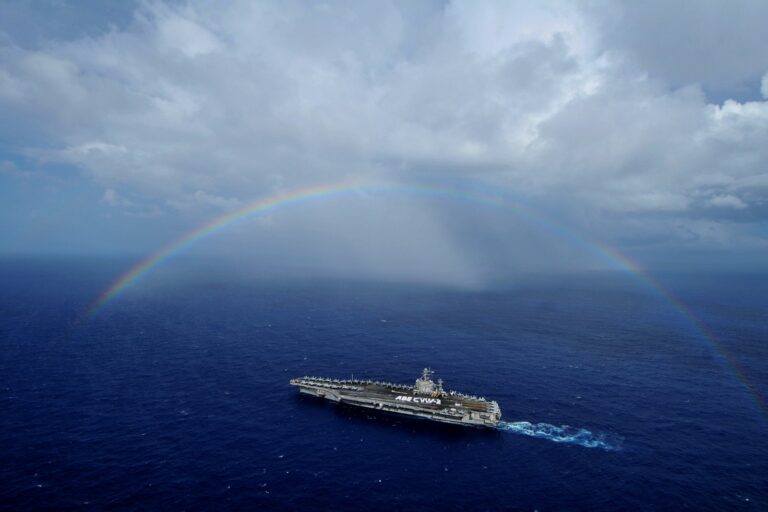
Michael Horowitz, an independent defense analyst in Israel, read the launches as partly a message to Riyadh. He told RFE/RL it was “an indirect message to the Gulf and particularly Saudi Arabia, warning them against joining the war against Iran, or letting US forces use more of their bases.” He listed three ways the Houthis might go further: resuming their Red Sea blockade, hitting Saudi energy facilities such as the port of Yanbu, or striking the U.S. carrier group in the Arabian Sea, though he doubted that last option could succeed.
Danny Citrinowicz of the Institute for National Security Studies in Tel Aviv was blunter. “It is increasingly not a question of if, but when,” he said.
Sources
- Houthis in the 2026 Iran war – Wikipedia
- Houthi Entry Into Iran War Raises Specter Of Twin Chokepoint Crisis