
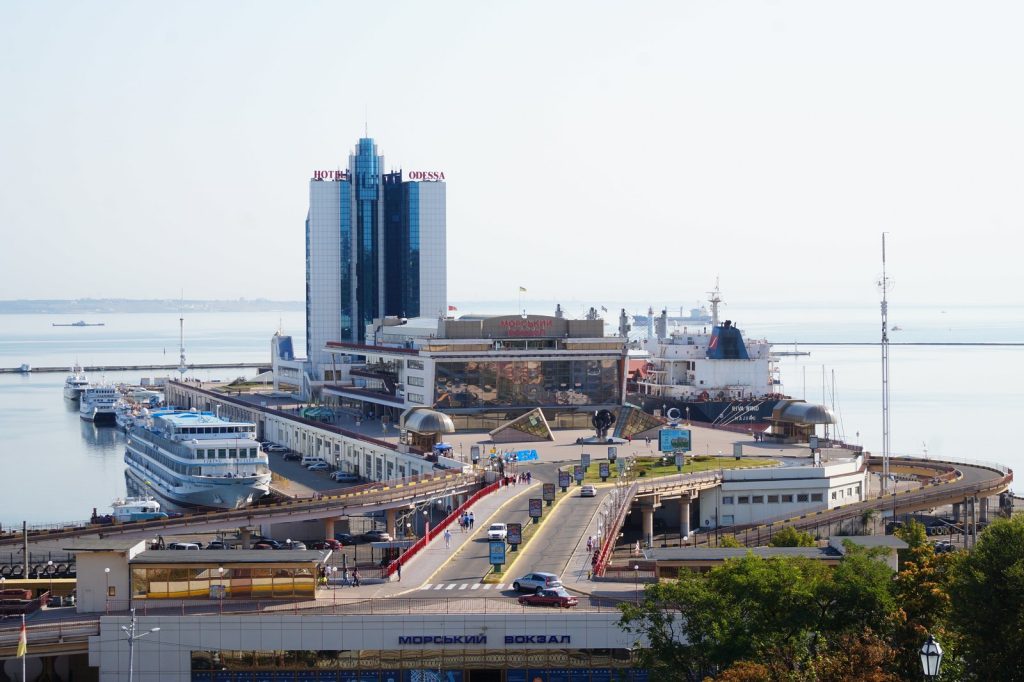
Ukraine’s infrastructure ministry counted 35 attacks on vessels in port, 22 on ships at sea and 67 strikes on port facilities in July. For the whole of 2025, vessels were attacked 14 times.
The jump is hitting grain and oil flows through the Black Sea, a route shared by Russia, Ukraine, Bulgaria, Georgia, Romania and Turkey. Russia is the world’s largest wheat exporter, and Ukraine is also a major agricultural exporter. Over recent weeks each side has stepped up attacks on the other’s farm export facilities and commercial vessels. Kyiv has also gone after tankers in Russia’s oil trade; Reuters estimates it has targeted dozens.
Both governments say they strike only military-related targets.
A warning from the UN
The pressure lands on commodity markets already coping with trouble elsewhere. The US-Iran conflict has disrupted oil flows through the Strait of Hormuz, and a maritime embargo declared by Yemen’s Iran-aligned Houthis on Saudi Arabian ports and ships has raised the risk for Red Sea shipping.
“The consequences…are already visible in global agricultural markets,” U.N. official Kayoko Gotoh told a Security Council session. “We must not allow this dangerous escalatory spiral to continue.”
Grain
Russia has stepped up strikes on civilian vessels and port infrastructure around Odessa, the hub for more than 90 per cent of Ukraine’s agricultural exports. Farm products remain Ukraine’s largest source of export revenue, more than four years into the war.
Kyiv is looking for other routes. Agriculture Minister Taras Vysotskyi told Reuters they would not reach full capacity until the end of August, and would then carry only about half the volumes usually shipped through Black Sea ports.
On the Russian side, shipping in the Sea of Azov has been restricted since July 10, which affects the major grain port of Taman, trade sources said. Grain still leaves Novorossiysk and Tuapse, only more slowly. Russian shipping group FESCO said it had suspended new shipment orders via the Black Sea after a Ukrainian drone hit one of its vessels.
Oil
Ukrainian attacks on tankers in July damaged several vessels. Loading at Novorossiysk and at the Caspian Pipeline Consortium (CPC) terminal, the main export outlet for Kazakh crude, was suspended temporarily.
“The CPC system is a critical export route for Kazakhstan, handling roughly 80 per cent of the country’s crude exports, making any prolonged disruption a potential concern for regional supply flows,” shipbroker BRS said in a report.
Costs and crews
Market estimates put average daily Black Sea oil tanker costs at over $300,000, up from just over $200,000 a week earlier. Insurance sources said war cover for port calls has climbed to as much as two per cent of a ship’s value from around one per cent two weeks ago. Even small increases mean hundreds of thousands of dollars in extra cost per voyage.
BIMCO chief shipping analyst Niels Rasmussen said global dirty tanker volumes could fall three per cent if Black Sea volumes stay at the reduced levels of the past two weeks.
British maritime security firm Ambrey advised clients that vessels calling at Black Sea ports should carry out voyage threat assessments, with crews staying at designated safe muster points during drone attacks. Stephen Cotton, general secretary of the International Transport Workers’ Federation, was blunt about the deaths of seafarers: “The killing of innocent civilian seafarers is unacceptable, they cannot be ‘collateral damage’ for achieving military aims.”




