
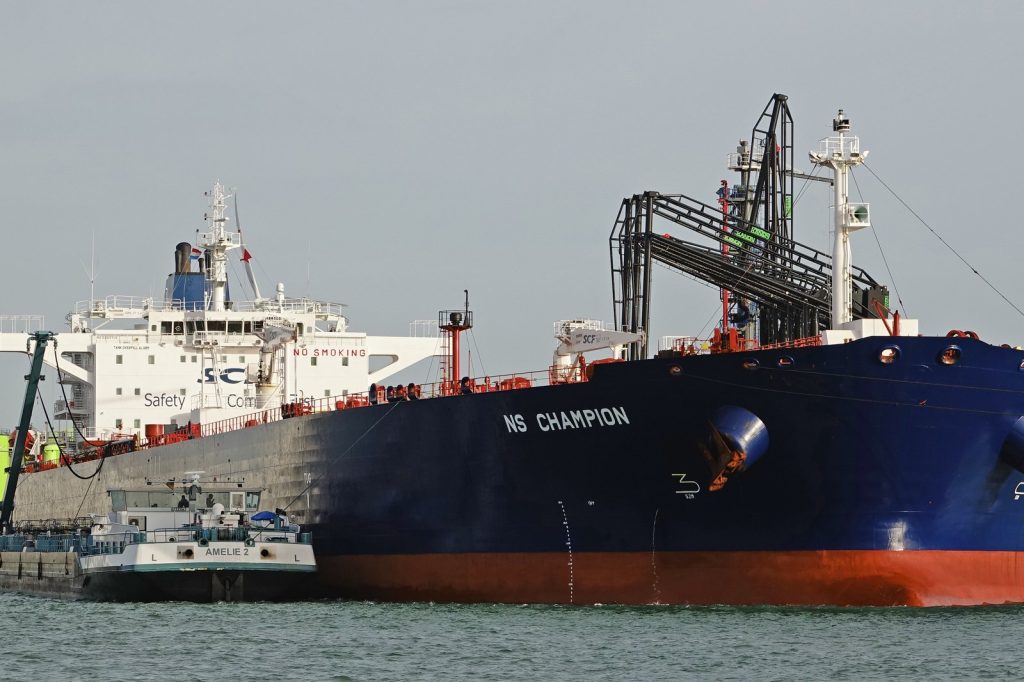
London, July 12 — Ukraine’s military has struck an additional 14 vessels from Russia’s shadow fleet, bringing the total number of such ships hit within a single week to 90. The Ukrainian military has not specified the exact locations of the latest strikes, but previous attacks have targeted ports in Crimea and the Black Sea region. These operations are part of an ongoing campaign to disrupt Russia’s maritime logistics and the revenue it generates from energy exports, which directly fund Moscow’s war effort in Ukraine.
By targeting the vessels that move that oil, Ukraine is trying to disrupt Russia’s ability to export oil, which funds its war effort. The strikes on 90 vessels in a single week represent an escalation in that campaign.
A Fleet Built to Evade Sanctions
The term shadow fleet refers to aging, often poorly maintained tankers and cargo ships used by Russia to evade international sanctions on its oil exports. These vessels typically operate without adequate insurance and fly flags of convenience from countries such as Panama, Liberia, and the Marshall Islands, which allow owners to obscure true vessel ownership and compliance with international standards.
To conceal their movements, the ships often employ deceptive practices including disabling AIS transponders and altering documentation to hide cargo origins and destinations. The Russian shadow fleet emerged as a direct response to economic sanctions imposed after the 2022 invasion of Ukraine. Western nations, led by the G7 and European Union, introduced a price cap on Russian crude oil in December 2022 — set at $60 per barrel — to limit Moscow’s revenue from energy exports.
In anticipation of these restrictions, Russia began assembling a network of aging tankers and cargo ships, many nearing the end of their operational lives, to continue exporting oil without triggering sanctions. By purchasing older ships at inflated prices, Russia and affiliated operators created a fleet that operates with minimal transparency.
The scale of the effort is immense: the shadow fleet is estimated to include hundreds of vessels, with some analysts suggesting over 600 ships are involved globally in transporting Russian oil. By 2023, the fleet had expanded to between 1,100 and 1,400 vessels, driven by the purchase of older tankers near decommissioning, now repurposed under opaque ownership to move sanctioned oil. These tactics mirror strategies historically used by other sanctioned states, including Iran and Venezuela, to bypass trade restrictions on oil and other goods.
Ukraine’s Escalating Pressure Campaign
Ukraine’s recent strikes, concentrated in a single week, suggest a shift in tactics. The Ukrainian military has not disclosed the method of attack nor the condition of the ships struck.
The strategic effect depends on how long Russia can keep the remaining fleet operational. The broader context is that Russia has been building its shadow fleet for years. Hundreds of ships, many flying flags of convenience, move millions of barrels of crude every month.
Ukraine cannot sink them all. But it can make the cost of running the fleet higher, force Russia to reroute shipments, and push up insurance premiums for the owners who still operate in the legal market.
The shadow fleet matters now because it directly funds Russia’s war effort in Ukraine. Oil export revenues remain a critical financial lifeline for Moscow, and the fleet’s resilience determines how long Russia can sustain its energy trade despite sanctions. Ukraine’s recent strikes on dozens of vessels in a single week signal an intensified effort to disrupt this network, targeting the logistical backbone of Russia’s sanctions-evasion strategy.
Without a reliable shadow fleet, Russia would face far greater difficulty exporting oil, increasing the cost and risk of sanctions evasion. The fleet’s operational fragility — due to age, lack of proper insurance, and adherence to lower safety standards — also raises environmental and maritime safety concerns.
Strategic Implications and What to Watch Next
What to watch next is whether the pace of strikes continues or whether Russia adapts with tighter convoying, more aggressive air defense coverage, or shifting export routes further from Ukrainian reach. The shadow fleet is not a static target. It moves, changes names, reflags vessels, and cycles crews.
Ukraine’s campaign is a pressure test on how elastic that system really is. For global observers, the shadow fleet highlights the limits of sanctions enforcement in the maritime sector and the growing use of clandestine shipping networks to undermine international trade restrictions.
Russia has been building its shadow fleet for years, and while Ukraine cannot sink every vessel, the cumulative effect of sustained strikes could force Moscow to expend more resources on protecting its oil trade, potentially reducing the net revenue available for its war effort.




