
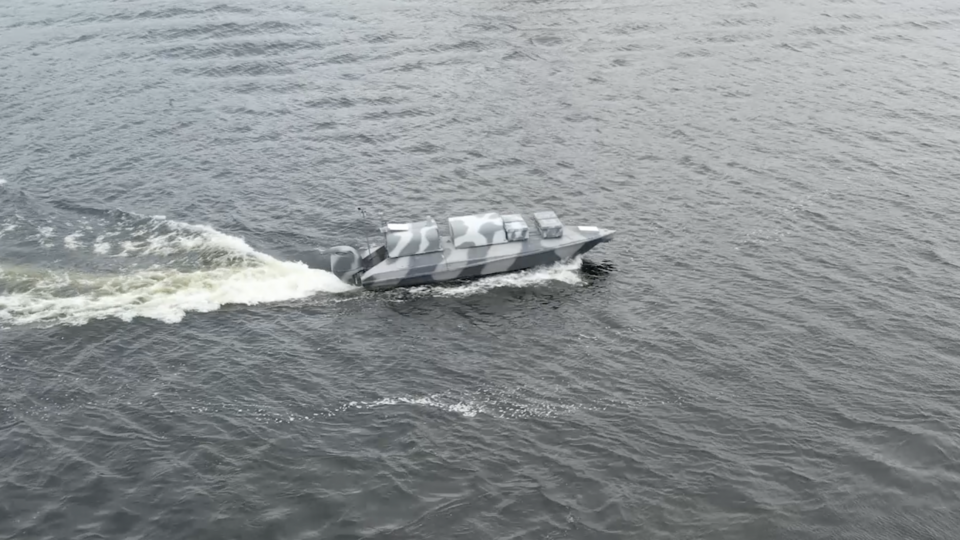
KYIV, July 13 — Ukraine’s military struck 105 vessels belonging to Russia’s shadow fleet over an eight-day period in early April 2025, a campaign aimed at severing the financial arteries of Moscow’s war economy. The attacks, which targeted ships in the Black Sea and Sea of Azov, employed a combination of naval drones and long-range missiles. On April 7, 2025, Ukraine’s Armed Forces simultaneously hit a key substation near Sevastopol, the second attack on the Crimean power grid, causing widespread blackouts across the peninsula.
The mechanics here are straightforward: the shadow fleet, estimated to include over 600 vessels, is a clandestine network of oil tankers and cargo ships that Russia uses to export oil and import goods despite Western sanctions imposed after the 2022 invasion of Ukraine. By striking these ships directly, Ukraine aims to disrupt not just the flow of crude but the logistics that keep Russia’s war machine running.
The strikes mark a clear escalation in Ukraine’s naval and energy warfare capabilities, relying on domestically produced unmanned systems.
Follow the money
The shadow fleet has been a critical tool for Russia to circumvent the price caps and insurance restrictions that Western nations designed to starve the Kremlin of oil revenue. The catch is that these vessels often operate without proper insurance, registration, or flag-state oversight, making them harder to track but also more vulnerable to attack. Ukraine’s campaign, concentrated in an eight-day window, suggests a deliberate strategy of saturation strikes — overwhelming Russian air defenses and naval patrols in the Black Sea region to maximize damage to both ships and infrastructure.
On closer reading of the timeline, the attack on April 7 against the Crimean power grid was not a standalone operation but a coordinated blow. Hitting the substation near Sevastopol while simultaneously striking 105 vessels amplifies the pressure on Russia’s logistical supply lines.
The blackouts across Crimea would have disrupted command-and-control centers and port operations, complicating any rescue or salvage efforts for the damaged tankers.
No specific casualty figures
Ukrainian officials provided no specific casualty figures or ship names, a deliberate opacity that makes independent verification difficult. What is clear is that the strikes represent an escalation in Ukraine’s use of domestically produced unmanned systems, both naval drones and long-range missiles. These are not off-the-shelf Western weapons but Ukrainian-made platforms, suggesting a growing indigenous defense industrial base that can sustain such operations without relying on external resupply.
The broader context is that Russia’s shadow fleet has been a persistent loophole in the Western sanctions regime. The 600-plus vessels estimated to be part of this network have allowed Moscow to maintain its oil export volumes even as European buyers turned away.
By targeting these ships in their transit zones — the Black Sea and Sea of Azov — Ukraine is attempting to close that loophole through kinetic means rather than diplomatic negotiations. The question now is whether Russia can reconstitute its shadow fleet capacity or whether these strikes will force a shift in its logistics.




