
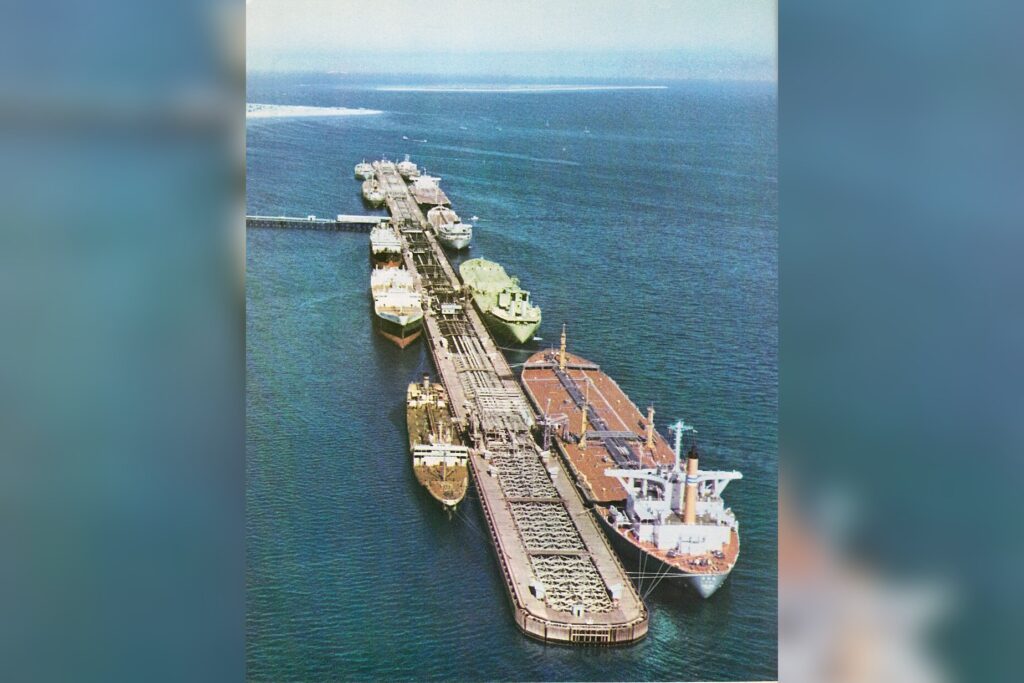
WASHINGTON — The Pentagon announced and began implementing a new “tanker for tanker” policy, authorizing U.S. naval forces to seize or strike Iranian oil tankers in response to Iran’s previous harassment and seizures of commercial vessels in the Persian Gulf and Strait of Hormuz. Secretary of Defense Pete Hegseth stated that the U.S. would respond “in kind” to any Iranian interference with international shipping. The first strikes targeted Iranian tankers that were reportedly attempting to transport oil in violation of U.S. sanctions.
Those sanctions have been in place since the U.S. withdrawal from the Joint Comprehensive Plan of Action (JCPOA) in 2018. The JCPOA, signed in 2015 by Iran, the P5+1 — the United States, United Kingdom, France, Russia, China, and Germany — and the European Union, had lifted sanctions in exchange for limits on Iran’s nuclear program.
The U.S. reimposed sanctions in 2018 under President Donald Trump, and the policy has continued under subsequent administrations.
Origins of the Policy
The “tanker for tanker” policy mirrors Iran’s own actions in 2019, when Iranian forces seized several foreign-flagged tankers, including the British-flagged Stena Impero, in the Strait of Hormuz. The U.S. Fifth Fleet, based in Bahrain, is responsible for maritime operations in the region. The Strait of Hormuz remains a critical chokepoint for global oil supplies, with approximately 20% of the world’s oil passing through it.
The strikes have raised tensions in the region. The policy has drawn criticism from some international partners, who fear escalation.
U.S. officials argue it is necessary to deter Iranian aggression and enforce sanctions. The United Nations Security Council has called for restraint. No formal resolution has been adopted.
The U.S. has not provided specific details on the number of tankers struck or their locations, citing operational security. No reports of casualties from the initial strikes have emerged.
The situation remains fluid.
Broader Strategic Context
The policy is part of broader U.S. efforts to counter Iranian influence in the Middle East, including support for Israel and Gulf allies. What to watch: whether Iran adjusts its maritime tactics in response, whether allied governments publicly distance themselves from the U.S. approach, and whether the Security Council moves from calls for restraint to formal action.




