
Washington gave the world a day’s notice. On 12 April, U.S. Central Command announced that from 10 a.m. Eastern time on 13 April its forces would begin a blockade of “all maritime traffic entering and exiting Iranian ports,” carried out under a presidential proclamation. The order came on the heels of failed ceasefire talks between the United States and Iran in Pakistan.
Strategically, the wording matters as much as the act. CENTCOM said the blockade would be enforced “impartially against vessels of all nations,” and it named the target area: every Iranian port on the Arabian Gulf and the Gulf of Oman. At the same time it drew a line around what it would leave alone. Vessels bound for or leaving non-Iranian ports through the Strait of Hormuz would keep their freedom of navigation. The U.S. is, in other words, trying to choke one country’s coastline without being seen to close a waterway the whole region depends on.
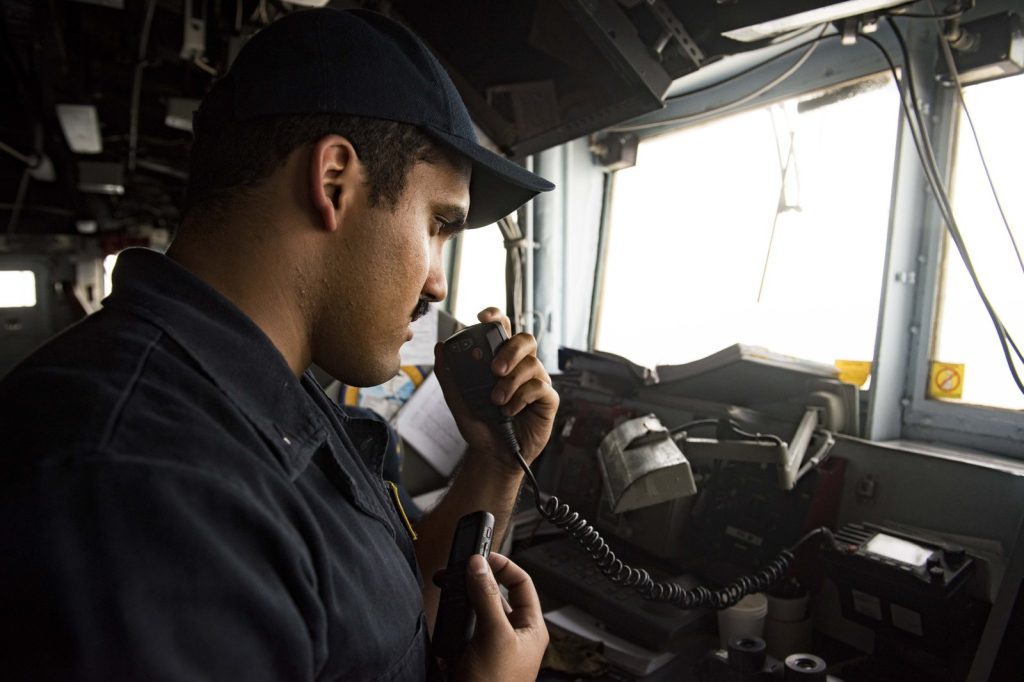
Mariners got practical instructions. A formal notice would reach commercial shipping before the start, and anyone sailing the Gulf of Oman or the approaches to Hormuz was told to follow the Notice to Mariners broadcasts and to hail American naval forces on channel 16, the bridge-to-bridge frequency.
The calculus for Tehran
Can Kasapoğlu, a senior fellow at the Hudson Institute, laid out the logic in an analysis posted on 13 April. Iran leans heavily on the strait and the regime depends on income from hydrocarbons, so “a successful blockade could significantly intensify pressure on Iran’s leadership.” But he flagged the other side of the ledger. “The move, however, carries clear escalation risks,” he said, noting that Iran “continues to possess anti-ship missile systems and naval-drone capabilities that threaten US naval assets.” Guarding against those, he added, could force American planners to widen the U.S. maritime footprint in the region.
Beijing’s reaction
China answered within hours. Dong Jun, the defence minister, said Beijing was committed to peace and stability and was watching events in the Middle East. “Our ships are moving in and out of the waters of the Strait of Hormuz,” he said. “We have trade & energy agreements with Iran. We will respect & honour them and expect others not to meddle in our affairs.” He added that Iran “controls the Strait of Hormuz, and it is open for us.”
The exposure is real. No country buys more Iranian oil than China, so any interruption to shipments through the strait would hit Iran’s revenue and China’s supply alike. Early shipping data suggested the announcement had already slowed things: traffic through the strait was limited compared with levels before the war.
Sources
- Iran Conflict 2026: US blockades Iranian ports in Strait of Hormuz
- 'Don't meddle in our affairs': China backs Iran as US announces Hormuz blockade




