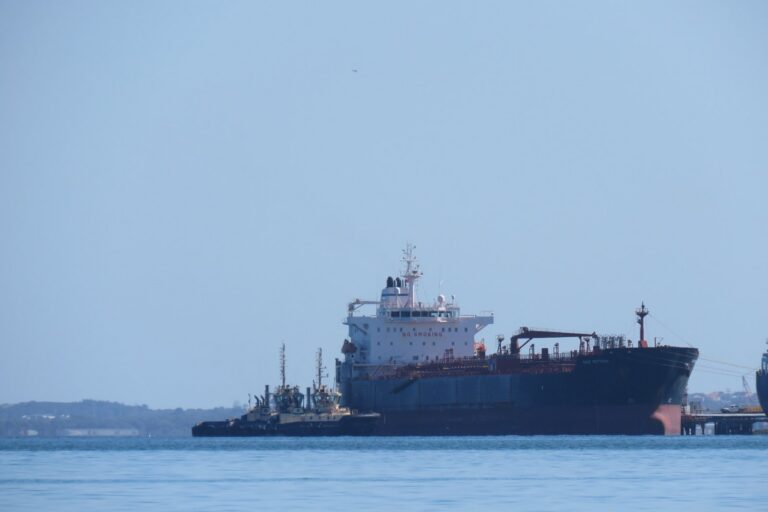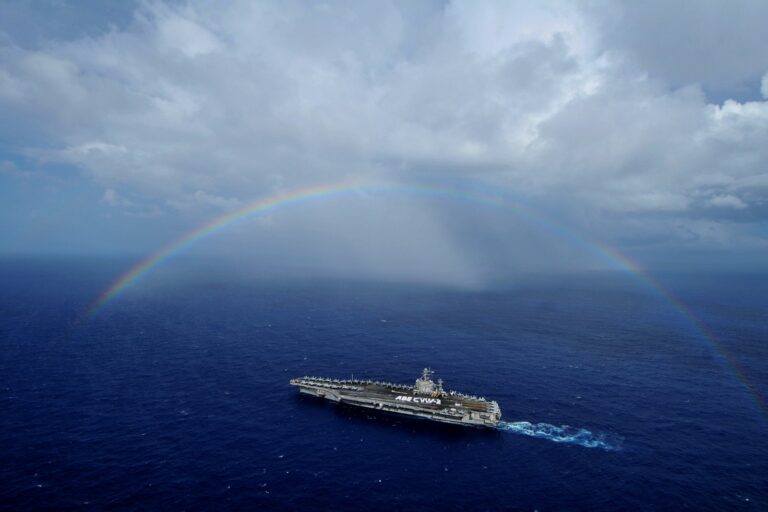
The blockade was announced on a Sunday, and it was due to start the next morning. US Central Command said in a post on X that from Monday, 10 a.m. Eastern time, it would stop ships of every country entering or leaving Iranian ports and coastal areas, including ports on the Arabian Gulf and the Gulf of Oman.
CENTCOM added a carve-out. US forces, it said, “will not impede freedom of navigation for vessels transiting the Strait of Hormuz to and from non-Iranian ports.” Shipping crews were told to expect more guidance through official notices and to coordinate with US naval forces in the Gulf of Oman and the approaches to the strait.
Softer than Trump’s first words
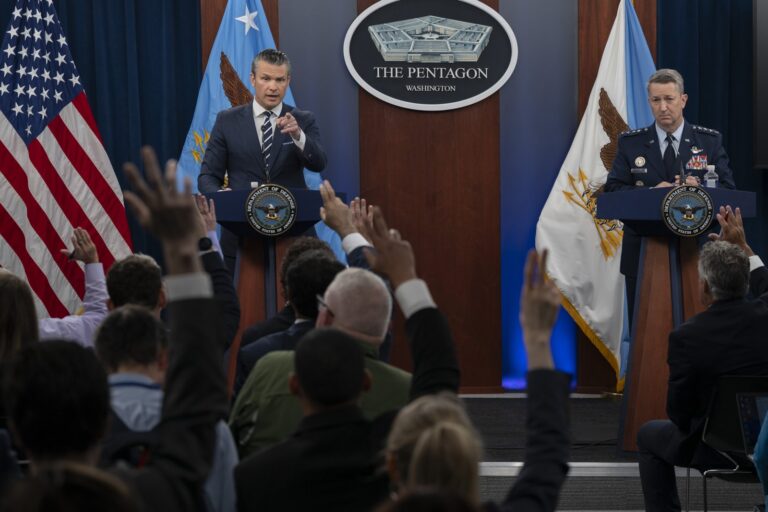
The statement appeared to pull back from what President Donald Trump had said hours earlier. On social media he promised to begin “BLOCKADING any and all Ships trying to enter, or leave, the Strait of Hormuz.” In a Fox News interview he called it a “complete blockade” and said traffic through the strait was “all or nothing.” He also warned that “any Iranian who fires at us, or at peaceful vessels, will be BLOWN TO HELL!”
The announcement came after weekend peace talks in Islamabad ended without a deal. Vice President JD Vance, who led the US team, said Iran had chosen “not to accept our terms.” Iran’s chief negotiator, parliament speaker Mohammad Bagher Ghalibaf, said Washington had been “unable to gain the trust of the Iranian delegation.” The talks were the highest-level face-to-face meeting between US and Iranian leaders since the 1979 Islamic Revolution. Pakistan’s foreign minister, Ishaq Dar, urged both sides to stay committed to ceasefire efforts.
What the blockade means
James Kraska, a professor of international maritime law at the US Naval War College, said warring parties may stop and search even private ships in non-neutral waters. Under a blockade, he said, a vessel trying to pass would have to submit to a search if asked. He noted that mines could still be in the strait and that Iran can fire missiles and drones.
Iran has largely choked off the strait since the war began in late February, letting through its own ships and a few others. Normally about 150 vessels pass each day. In March, S&P Global Market Intelligence counted a little more than 150 for the whole month. Oil prices have risen by more than 50 percent during the conflict, and Brent crude jumped more than 7 percent on Sunday to around $102 a barrel.
Iran was unmoved. “Enjoy the current pump figures,” Ghalibaf wrote. “Soon you’ll be nostalgic for $4-$5 gas.” An adviser to supreme leader Mojtaba Khamenei said Iran had “large, untouched levers” to answer a naval blockade.
Some doubted it could be enforced. The firm Tanker Trackers pointed to Iran-linked tankers making false port calls in Saudi Arabia and Iraq with the help of AIS spoofing. “Good luck with that, CENTCOM,” it posted.