
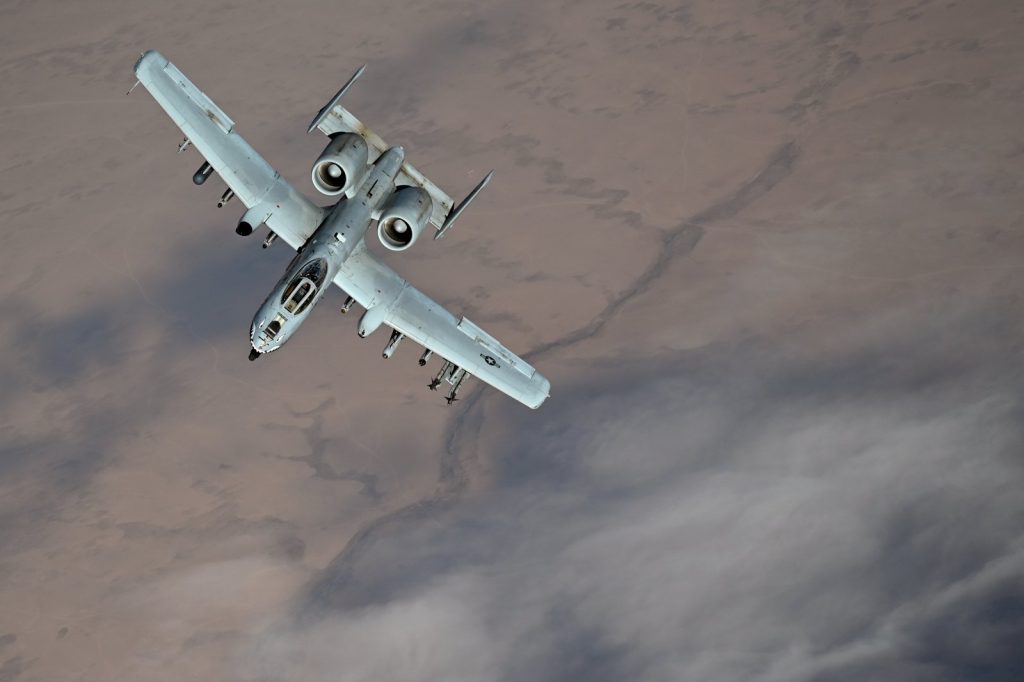
The last American troops left Erbil Air Base on September 30, 2026, and with them went Operation Inherent Resolve, the US-led campaign against the Islamic State in Iraq. It had run for twelve years.
Thousands of US troops went back to Iraq in 2014, three years after American forces had withdrawn in December 2011, because ISIS had taken hold of broad swaths of the country and Baghdad asked for help. The campaign formally began on October 17, 2014, according to the Pentagon’s own account, and it drew in more than 40 coalition nations.
What the numbers say
The coalition carried out approximately 35,000 strikes between August 2014 and May 2021. Twenty-five US service members died in the operation. By 2019 the Combined Joint Task Force counted 7.7 million people freed from Islamic State control and 110,000 square kilometers liberated. ISIS had lost all its territory in Iraq by late 2017, Reason reported.
US troops also trained more than 250,000 local security forces, according to Pentagon spokesman Sean Parnell. Military.com put the American contingent at approximately 2,000 service members; Task & Purpose said about 1,500 American and coalition personnel worked from Erbil.
An agreed exit
Washington and Baghdad had settled the timetable in a 2024 agreement to wind down operations by the end of 2026. Withdrawals started in October 2025. American forces also left the al-Tanf garrison in southeastern Syria in February 2026, and in January 2026 they transferred over 5,700 ISIS detainees from northeastern Syria to Iraqi custody.
Admiral Brad Cooper, who commands US Central Command, said that “ISIS no longer poses a systemic threat to Iraq’s national security.” The White House called the withdrawal “a victory for the United States, a victory for Iraq, and a decisive victory over ISIS.”
A Lead Inspector General report covering April to June 2026 gave a more cautious picture. ISIS attacks had dropped to their lowest level since 2013, down 70 percent since 2023, but the group, in the report’s words, “almost certainly remains severely degraded, focused on its own survival.”
The risks that stayed
The mission was never free of danger for US troops. From October 2023 to February 2024, bases in Iraq and Syria came under “over 60 drone and missile attacks,” mostly from Iranian-aligned militias, and the United States hit back. Jon Hoffman of the Cato Institute argued that the bases handed terrorist organizations “a pretty immediate target.”
Operations against ISIS continue in Syria. The Combined Joint Task Force headquarters moved to Jordan to keep running counter-ISIS operations there. Iraqi journalist Ali al-Khazali told The Media Line that the biggest danger is the intelligence gap between the two sides of the border. Iraq has answered with concrete barriers, trenches, thermal cameras, observation towers and drone surveillance along the frontier.
CENTCOM said its forces would remain able to respond to ISIS threats and support partners, and Pentagon officials confirmed continued training and intelligence help for Iraqi forces, the Peshmerga among them.
Sources
- U.S. Military Ends 12-Year Anti-Islamic State Campaign in Iraq (via Yahoo News)
- US Central Command Removes Forces From Iraq, Ending Operation Inherent Resolve Mission (Military.com)
- US-Led Coalition Exit Shifts More Counter-ISIS Burden to Iraq and Syria (The Media Line)
- Counter-ISIS mission in Iraq comes to an end (Task & Purpose)
- U.S. Troops Finally Leave Iraq. When Are They Leaving the Rest of the Middle East? (Reason, via Yahoo News)




