
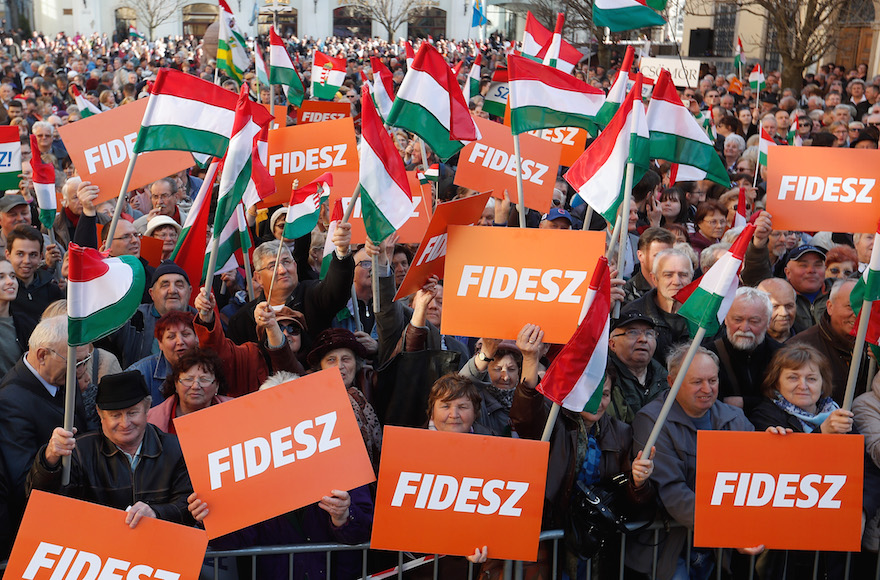
The vote count was 262 in favour, 44 against and one abstention. On 18 April 2011 Hungary’s parliament approved a new constitution, the Fundamental Law, and the margin simply mirrored the two-thirds majority that the governing Fidesz party held. When the result was read out, government benches erupted in applause and then sang the national anthem, the BBC reported.
A walkout before the vote
Not everyone stayed to watch. The Socialists and the Greens left the chamber before voting began, and the far-right Jobbik party voted against. The opposition accused Fidesz of forcing a divisive right-wing worldview on the nation. The text’s authors saw it differently. In their words it was a basic law fit for the 21st century, and it closed the transition from totalitarian rule to democracy.
The BBC noted what drew praise and what drew fire. A clause capping national debt won praise abroad. Harder to defend, in critics’ eyes, were the preamble’s emphasis on Hungary’s Christian roots, curbs on what the constitutional court may decide, and fewer parliamentary ombudsmen. The broadcaster added that a passage on protecting the unborn child might later be used to restrict abortion.
The constitution was the biggest item in a run of laws the government had pushed through since winning its election a year earlier. Ministers insisted the laws strengthened democracy. Opponents said democracy was being steadily undermined.
The outside verdict
The Venice Commission, which advises the Council of Europe on constitutional questions, gave its opinion on the new text in June 2011. Three Hungarian rights groups, among them the Hungarian Helsinki Committee, said government statements had left the public with a false impression of what it said. Far from praising the Fundamental Law, they argued, the commission had criticised it thoroughly, raised serious concerns about how it was adopted and identified problems that could only be fixed by amending the text.
The three groups pointed to provisions they said endangered democratic structures. Their list: the Constitutional Court’s hobbled ability to examine legislation, new rules for restricting fundamental rights, and a two-thirds-majority system that could lock in the sitting government’s choices on taxes and welfare. They also cited the Budgetary Council’s ability to obstruct parliament when it passes the state budget.
Fifteen years on
The 2011 document is still Hungary’s constitution. In June 2026, Human Rights Watch said the new government of Prime Minister Péter Magyar planned a rushed 17th amendment, which would end the term of President Tamás Sulyok and force out the head of the top court. The government has said it wants to replace the Fundamental Law with an entirely new constitution later, after a broader consultation.
The rights group also revisited a Fidesz move from 2011. That year, it said, the retirement age for all judges was lowered to 62 in order to push out senior judges. The EU’s own top court ruled the change unlawful in 2012. In 2013 the Fidesz government scrapped the retirement age for judges, which let five of its favoured picks on the Constitutional Court keep their posts.
Sources
- BBC News – Hungary: Parliament votes for new constitution
- NGOs analyze Government reactions concerning the Venice Commission's opinion on the new Constitution of Hungary (Hungarian Helsinki Committee)
- Hungary: Rushed Constitutional Changes Undermine Rule of Law (Human Rights Watch)




