
Officials from the United States and Iran began indirect technical talks in Doha on Wednesday, with Qatari and Pakistani intermediaries carrying messages between the two rooms. The sessions are meant to calm things down after a fresh round of strikes by both sides.
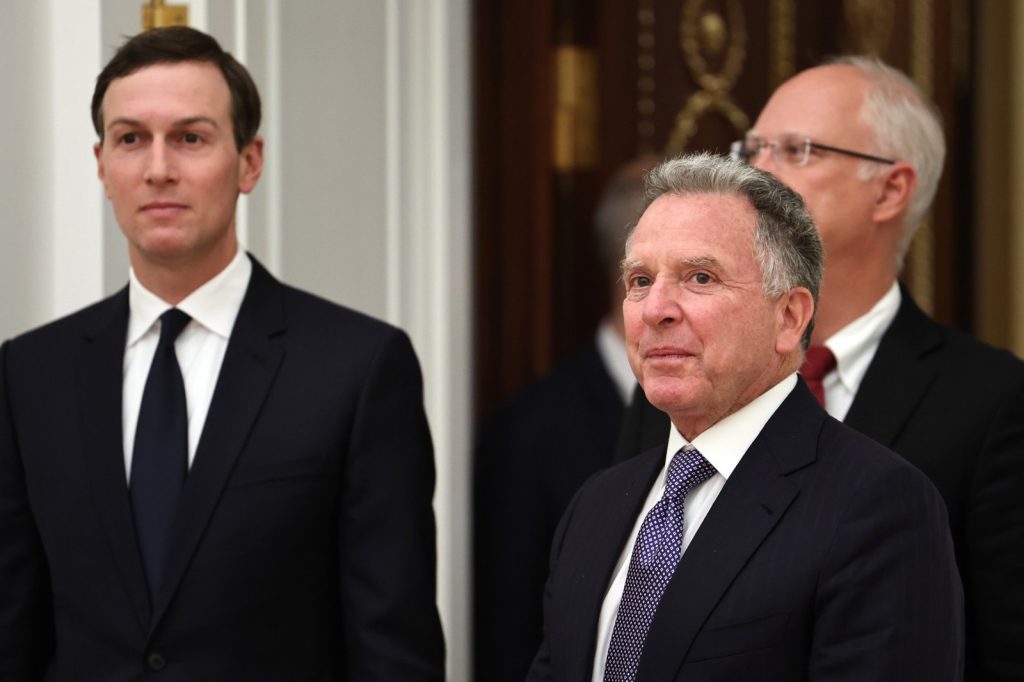
A diplomat familiar with the negotiations, speaking to AFP on condition of anonymity, said the discussions are low-level and concentrate on the fine print of the memorandum of understanding. They are expected to build on what was achieved at the earlier summit in Lucerne, Switzerland. The same diplomat said US envoys Jared Kushner and Steve Witkoff are not taking part in the technical sessions.
The two men did meet on Tuesday with Mohammed bin Abdulrahman Al Thani, according to a statement from Qatar’s Foreign Ministry. That meeting covered the state of the US-Iran talks and the ceasefire in Lebanon, which the ministry said should be protected and built on in a way that safeguards Lebanon’s unity, sovereignty and stability.
Tehran kept up its public line. Foreign Ministry spokesman Esmaeil Baghaei said the Iranian delegation in Doha would be led by Deputy Foreign Minister Kazem Gharibabadi, and insisted that “no negotiating meetings with the United States will take place at any level.”
What the memorandum says
The memorandum was reached on June 17 through Pakistani and Qatari mediation. It sets up negotiations over a renewable 60-day period and is meant to end the conflict that began with the US-Israeli attack on Iran on February 28. Among its main terms are the lifting of the US blockade on Iranian ports, the release of part of Iran’s frozen assets, and talks toward a final agreement.
Trouble returned late last week. Each side accused the other of breaking the ceasefire after attacks blamed on Iran hit vessels trying to pass through the Strait of Hormuz. The United States then struck military targets in Iran, and Tehran said it had hit facilities linked to Washington in Kuwait and Bahrain. Both countries announced on Tuesday that they would send officials to Qatar.
Voices on the talks
President Donald Trump called the meetings “very good.” “Based on how things are going, Iran’s nuclear disarmament is progressing well,” he said. “We hit them very hard, but we are getting along very well.”
Mohammad Bagher Ghalibaf, Iran’s parliament speaker and chief negotiator, said in a televised interview that friction was to be expected. “When a war of this scale ends, implementation challenges, incidents, and differences of opinion are unavoidable, especially when parties such as Israel are involved,” he said. He added that Iran’s delegation would concentrate on the Lebanon and Hormuz provisions, and that Iranian oil exports had risen sharply since the US lifted its restrictions on Iranian ports.
Anna Jacobs told AFP it is “very early” in the process, with fighting continuing behind the scenes and in public rhetoric. Still, she said, the encouraging sign is that both governments kept talking after last week’s clashes.
The strait and the region
Iran and Oman each claim authority over passage through the Strait of Hormuz, and both have said they are weighing service fees. The UN Convention on the Law of the Sea guarantees freedom of navigation through international straits, although Iran has not ratified it. Tehran says conditions will not go back to the free passage of the pre-war years, and it has warned that ships on unauthorized routes could be targeted.
Shipping slowed over the weekend. Employer and labor union representatives in the global shipping industry announced on Wednesday that the strait will remain a war-risk zone until at least July 9. Brent crude held steady at just above $70 per barrel.
In Lebanon, which Iran pushed hard to have included in the memorandum, fighting between Israel and Hezbollah has eased. Israeli Defense Minister Israel Katz nonetheless said Israeli forces would stay in security zones in Lebanon, Syria and Gaza “until further notice.” “We will not withdraw from the security zones,” he said, warning Tehran of powerful retaliation if it attacks Israeli troops in Lebanon. Prime Minister Benjamin Netanyahu said on Tuesday that troops would remain in Lebanon as long as Hezbollah threatens northern Israel.




