
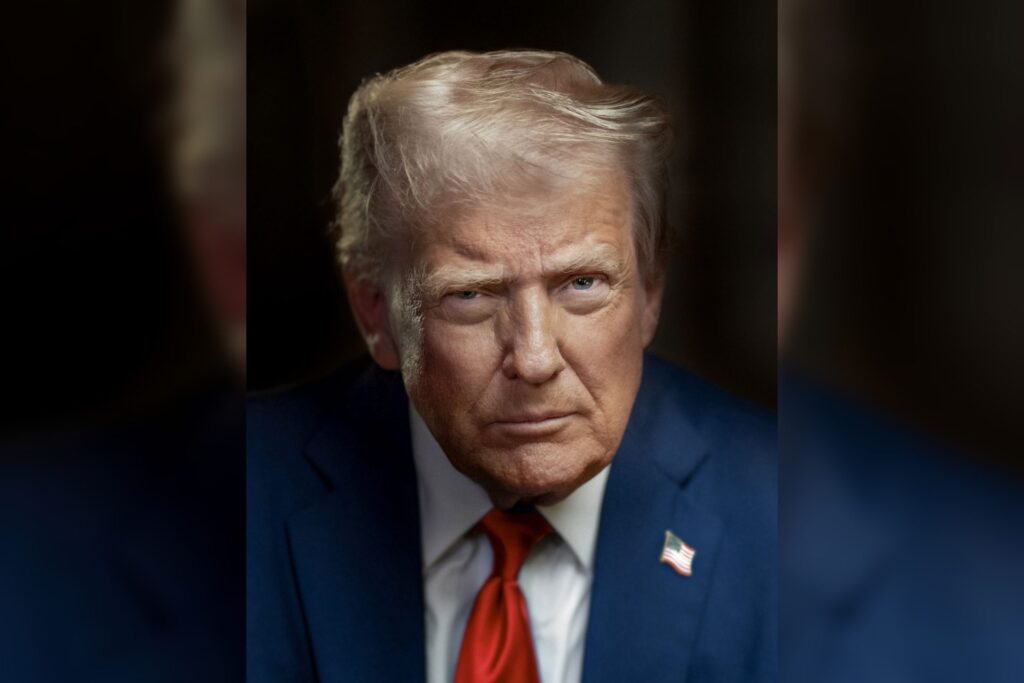
Delegations from Iran and the United States were bound for Doha this week, yet Tehran said on Monday, June 29, that no meeting between them was on the calendar. Missile fire from both sides over the weekend had already put the interim ceasefire under strain. The war itself is four months old.
Press secretary Karoline Leavitt said President Donald Trump would send his son-in-law Jared Kushner and envoy Steve Witkoff to lead the American team. Iran is also sending a technical delegation to Qatar. Foreign Ministry spokesperson Esmaeil Baghaei said that trip had “no relation” to the American visit.
“We will not have any negotiation meetings at any level with the American side in the coming days,” Baghaei said.
A senior Iranian official told a different story. According to that official, a meeting would take place in Doha on Tuesday, though it would not resemble the earlier technical rounds in Switzerland. This one would deal with managing the Strait of Hormuz and cooling tensions. A second official familiar with the plans said the US and Iranian technical teams were expected to sit down separately with Qatari and Pakistani mediators on Wednesday.
Trump, speaking to reporters in the Oval Office, hedged. “The meeting in Doha is going to be perhaps important, perhaps not. We’re going to find out,” he said. He also insisted “we’re winning militarily” and repeated that Iran must be kept from producing a nuclear weapon.
A fragile accord
The June 17 agreement is a 14-point memorandum of understanding. It gives both countries at least 60 days to extend an April ceasefire, take up Iran’s nuclear programme and negotiate a lasting truce. Progress has been halting, and each side accuses the other of breaking the terms.
The fighting began on Feb 28, when the US and Israel attacked Iran. Shipping through the Strait of Hormuz, which used to carry about a fifth of the world’s oil trade, nearly stopped. Oil climbed above US$100 a barrel. Israel has stayed out of the peace talks and distanced itself from the deal.
The weekend flare-up came after the US accused Iran of hitting at least two commercial ships with missiles or drones. American forces bombed Iranian military facilities in response, and Iran fired missiles and drones early on Sunday at US sites in Kuwait and Bahrain. Tehran has also said it intends to charge ships a fee for passing through the strait it shares with Oman, and it is blocking vessels that wander off set routes.
Reaction in Washington and Tehran
Witkoff and Secretary of State Marco Rubio briefed members of Congress by phone on Monday. Republican Senator Steve Daines said they kept their remarks short but called the call “constructive.” Senate Democratic leader Chuck Schumer saw it differently and called the briefing “deficient, and devoid of details.”
“After dragging America into a costly war, the Trump administration still can’t name a single thing Americans got in return,” Schumer said. He added that Rubio had confirmed to him that Iran will collect billions in oil revenue and keep dangerous leverage over the strait.
Iranian state media reported that President Masoud Pezeshkian announced the release of US$6 billion of the US$12 billion in Iranian assets frozen in Qatar. He called the memorandum, which includes US waivers on sanctions covering Iran’s oil and petrochemical sectors, “a great victory for the Iranian people.” Oil prices rose more than 1 per cent after the weekend clashes.
The war is also a headache for Trump at home, with November’s congressional elections ahead and some fellow Republicans complaining that he fought without authorisation from lawmakers.
French President Emmanuel Macron said on Monday that he was working with Oman to lower tensions and would help clear mines from the strait. Deputy Foreign Minister Kazem Gharibabadi answered on X that under the 14-point plan, only Iran would remove the mines, and he warned France against complicating matters.




