
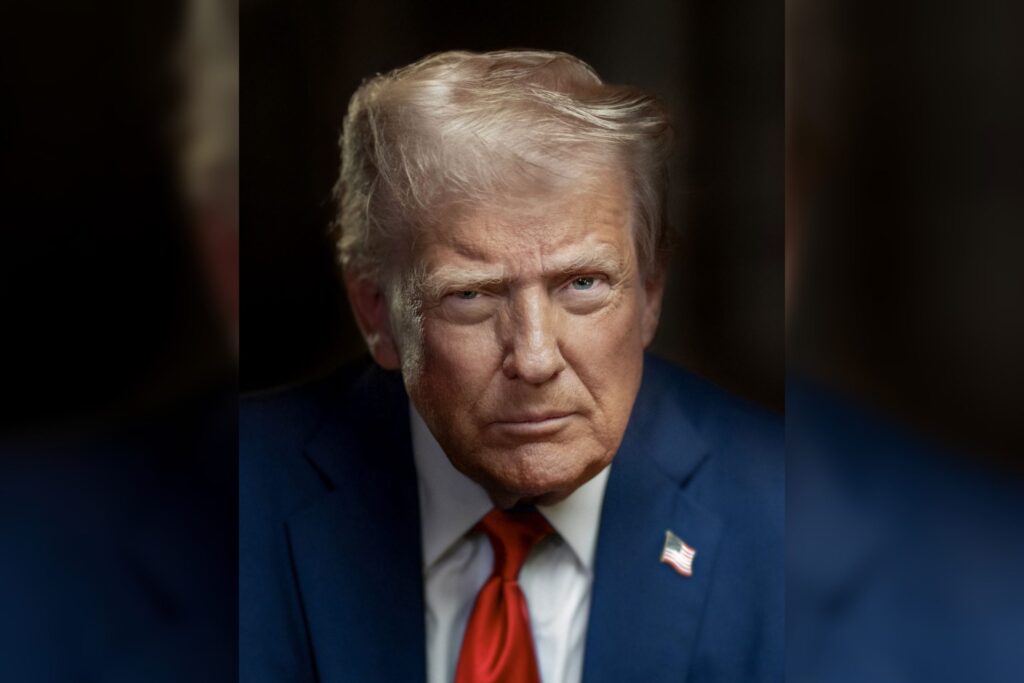
“The Iran deal is defective at its core.” Donald Trump said that on May 8, 2018, as he announced the United States was leaving the 2015 nuclear agreement with Iran. Relations between the two capitals have been fractured and tumultuous ever since.
What the deal did, and what Trump said it did not
The Joint Comprehensive Plan of Action capped enrichment at Iran’s Fordow site at 3.67 percent, enough for power generation but far from weapons grade. In return, the United States and other Western countries lifted sanctions. Independent inspections confirmed that Iran kept to its side, Al Jazeera noted, yet Trump called it a “terrible deal” without saying what exactly he disliked.
The White House fact sheet issued that day was more specific. It said the agreement had given Tehran a windfall of cash, left its missile programme untouched and lacked strong enough inspection powers. It also pointed to intelligence released by Israel about Iran’s past weapons work. The new sanctions, it said, would hit Iran’s energy, petrochemical and financial sectors, with a grace period for firms to wind down their business there.
Iran called the decision “unacceptable” and said it would deal with the other signatories instead. On May 21, the administration, through then Secretary of State Mike Pompeo, set out 12 demands. Tehran rejected them.
Sanctions, then escalation
The first round of sanctions landed on August 7, 2018, covering sectors from aviation and carpets to pistachios and gold. A second round on November 5 went after oil and banking. In April 2019 Trump designated the Islamic Revolutionary Guard Corps a foreign terrorist organization, the first time Washington had put another country’s military on that list.
Iran’s compliance did not collapse at once. CNN reported that Iran stayed within the deal’s access requirements and limits until mid-2019. Then it unravelled. In July 2019 inspectors found Iran had piled up enough low enriched uranium to break the cap, and that autumn it restarted enrichment with advanced centrifuges at sites where the deal had banned it. In 2020 Iran blocked inspectors from two locations. By mid-2021 it had disabled monitoring cameras at a centrifuge workshop in Karaj, destroying one.
The violence followed. US forces killed Qassem Soleimani, head of the Guard’s Quds Force, in a drone strike in Baghdad on January 3, 2020. Iran answered with missiles on bases in Iraq, and the Pentagon said more than 100 US service members suffered traumatic brain injuries. The Guard also shot down a Ukrainian passenger plane after takeoff from Tehran, reportedly mistaking it for a US cruise missile. All 176 people aboard died. Indirect talks in Vienna opened in April 2021 and produced no breakthrough, and in the same month Iran began enriching to 60 percent.
From pressure to war
Trump returned to office and signed a memorandum in February 2025 restoring “maximum pressure”. Israel struck Iran on June 13, 2025, and the United States hit three nuclear sites on June 22 before a ceasefire the next day. The IAEA found a fresh set of centrifuges at Fordow back in January 2023, enriching to 83.7%, CNN said, and by September 2026 its board had voted to refer Iran to the UN Security Council.
On February 28, 2026, the United States and Israel launched strikes on Tehran, killing Supreme Leader Ali Khamenei in the first moments of the war. Since then, CNN reported, inspectors have been able to visit only the Bushehr power plant.
By mid-June 2026 the two sides were due to sign an initial agreement in Geneva, with Pakistan hosting, to end the war, open a 60-day negotiating window and restart shipping through the Strait of Hormuz. Neither side had published the terms. Trump said the only thing that mattered to him was that Iran never gets a nuclear weapon. His approval, Al Jazeera pointed out, stood at about 45 percent in Gallup polling when he left the deal, and at 35 percent in a Reuters/Ipsos survey that June.
Sources
- President Donald J. Trump is Ending United States Participation in an Unacceptable Iran Deal – The White House
- From JCPOA exit to the 2026 deal: How US-Iran ties soured under Trump | Donald Trump News | Al Jazeera
- Cameras disabled, inspectors blocked: Nuclear watchdog asks for help with Iran | CNN Politics




