
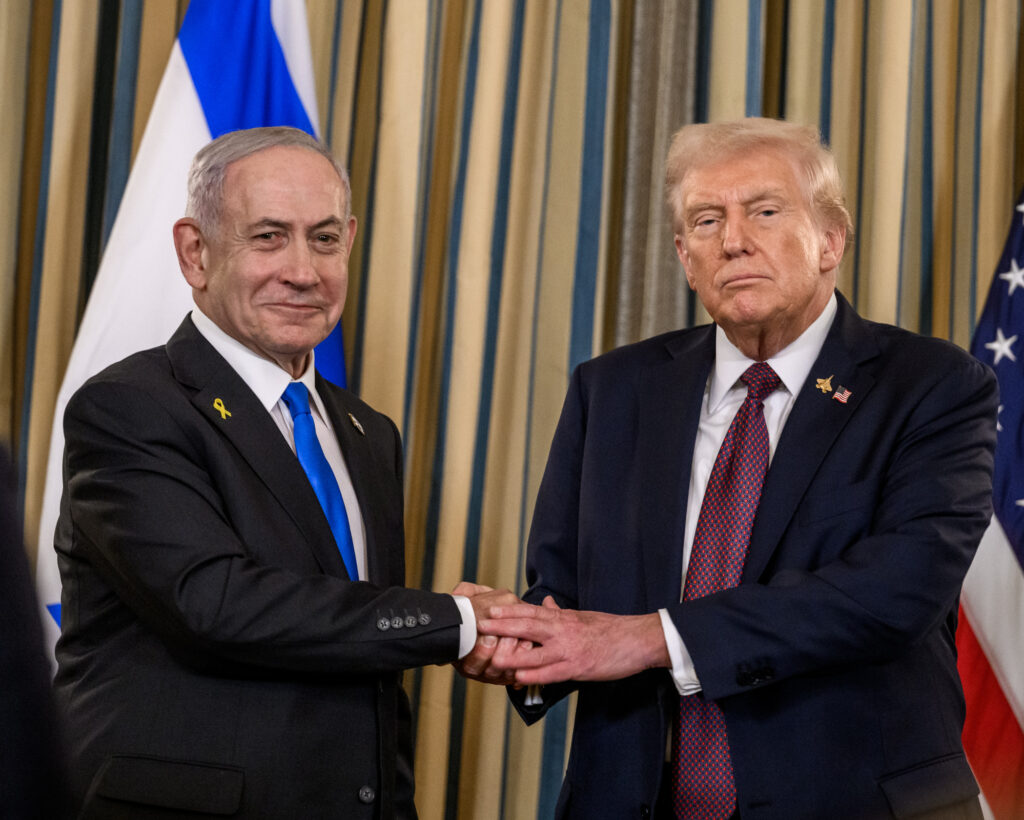
The United States is preparing to introduce a broad initiative aimed at resolving the ongoing conflict in the Gaza Strip, with a formal announcement scheduled for September 29, 2025. President Donald Trump is expected to unveil the plan during a joint press conference at the White House alongside Israeli Prime Minister Benjamin Netanyahu.
Dubbed the Comprehensive Plan to End the Gaza Conflict, the proposal represents the result of negotiations conducted with input from numerous Arab and Muslim nations. The initiative seeks to address both the immediate hostilities and the broader instability that has plagued the Middle East for years. The conflict’s most recent escalation traces back to the October 7, 2023, attacks carried out by Hamas, which prompted a large-scale Israeli military response.
The Gaza Strip has experienced repeated cycles of violence since Israel’s disengagement from the territory in 2005. Hamas won Palestinian elections in 2006 and initially formed a government, first alone and later in a coalition with Fatah, before seizing full control of Gaza in 2007.
Interim ceasefires reached in late 2023 and early 2025 ultimately collapsed. The proposed peace framework includes several key components: an immediate cessation of hostilities, the return of all hostages held in Gaza, exchanges of prisoners between the parties, and the demilitarization of the Gaza Strip. The plan is designed to address the humanitarian situation in the region, where thousands of civilians have been caught in the fighting. The United States has positioned itself as the lead broker in these efforts, with President Trump’s administration working to secure backing from Arab and Muslim countries.
The Israeli government, under Prime Minister Netanyahu, has been a central partner throughout the negotiation process. Hamas has been characterized by the U.S. as a significant barrier to peace, citing its repeated attacks on Israel and its refusal to acknowledge Israel’s right to exist.
The international community is closely monitoring developments. The United Nations Security Council is expected to endorse the plan, and several countries have already signaled their support. The success of the initiative hinges on the willingness of all involved parties to implement its provisions and cooperate toward a shared objective of regional stability.
The coming days are seen as critical for determining the plan’s viability. President Trump’s announcement will serve as a key moment, with global attention focused on the reactions from both Israel and Hamas.
The United Nations Security Council is anticipated to play a role in backing the agreement and supporting its enforcement. A lasting resolution to the Gaza conflict would mark a significant achievement for the Trump administration and could pave the way for enhanced cooperation across the Middle East. The next several weeks will test whether the parties can move from negotiation to implementation, with the world watching for signs of commitment to a peaceful outcome.




