
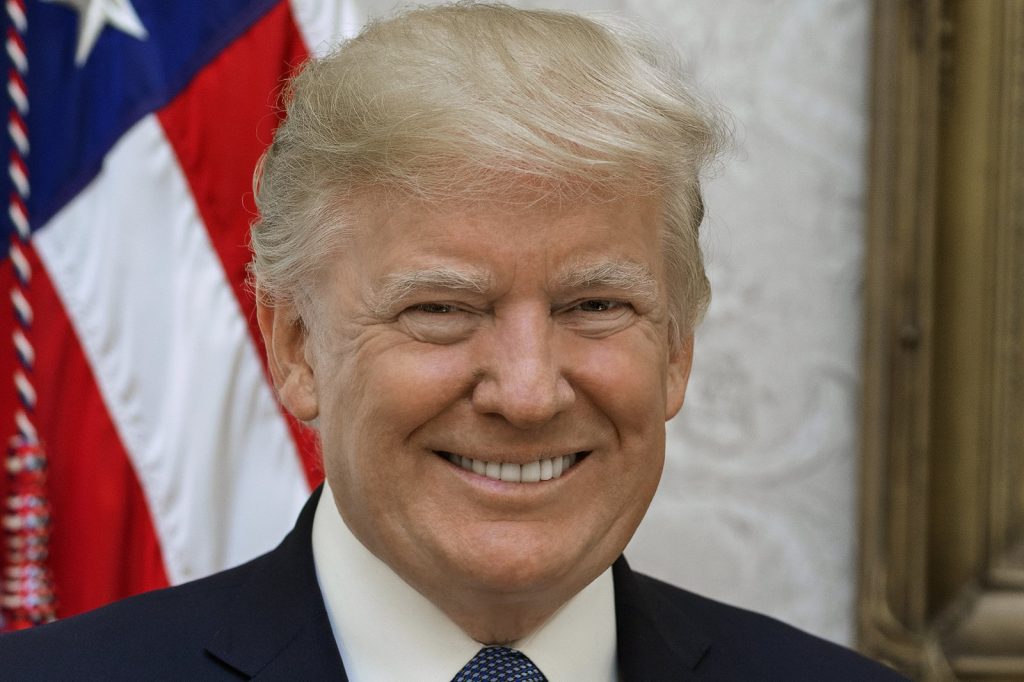
“Strong, durable, and everlasting peace” is what Donald Trump says he wants for Gaza, and on 29 September 2025 he put a 20-point plan on the table at the White House to get there. Israeli Prime Minister Benjamin Netanyahu stood beside him and said Israel accepted the terms.
The BBC’s account of the day was blunt about the mechanics. The plan has momentum, much of it from Trump himself, and more from Arab and Islamic governments that backed it: Jordan, Egypt, Qatar, Saudi Arabia, the UAE, Pakistan, Indonesia and Turkey. What it lacks is detail, which the BBC called a characteristic of Trumpian diplomacy. Hard negotiation would follow, and every stage of it offers a place for the deal to collapse.
What is in it
The opening sequence is simple on paper. If both sides agree, the war ends immediately. Israeli forces pull back to an agreed line, bombardment stops and the front lines freeze. Within 72 hours of Israel publicly accepting, all hostages, living and dead, are to be returned.
Then comes the exchange. Israel would free 250 prisoners serving life sentences and 1,700 Gazans detained after 7 October 2023, including all women and children held in that context. For each Israeli hostage whose remains are handed back, Israel would release the remains of 15 dead Gazans. Hamas members who commit to peaceful co-existence and give up their weapons would get amnesty, and those who want to leave would be offered safe passage.
On governance, Gaza would be run temporarily by a technocratic, apolitical Palestinian committee under a new body called the “Board of Peace,” chaired by Trump, with former British Prime Minister Tony Blair among those named. Hamas and other factions would have no role in running Gaza, directly or indirectly. Tunnels and weapon workshops would be destroyed and independent monitors would oversee decommissioning of arms. An International Stabilisation Force would deploy and train vetted Palestinian police. Israel, the text says, will not occupy or annex Gaza, and the Israeli military would withdraw in stages tied to demilitarisation, keeping only a security perimeter.
Point 19 raises, in cautious language, a possible pathway to Palestinian statehood once Gaza redevelopment advances and Palestinian Authority reforms are carried out.
Two readings of one document
That last point is where the technical reality gets awkward. Netanyahu has repeatedly denounced Palestinian statehood and denies any Palestinian right to the land between the river Jordan and the sea. The BBC’s verdict: one plan, two very different versions of what it means, and a framework ambiguous enough to allow both.
The UK and many countries outside Israel and the US believe that any solution that does not lead to Palestinian independence will not bring peace.
The Hamas clock
Trump gave Hamas “three to four days” to answer, and said that if the answer was no, the war goes on. On 3 October, Hamas said it would return all 48 remaining hostages in exchange for Palestinian prisoners in Israeli jails and Gaza detainees, and agreed to hand governance of Gaza to Palestinian technocrats. It said nothing about other elements, most notably the requirement that it disarm.
Trump said Israel and Hamas had “signed off on the first phase.” Once a ceasefire takes effect, mediators from the US, Qatar, Egypt and Turkey are to try to bring both sides to a lasting settlement.
Sources
- Trump sets Hamas deadline to respond to peace plan as Israel says it will resist Palestinian statehood – live updates
- Donald Trump's 20-point Gaza peace plan in full
- Board of Peace




