
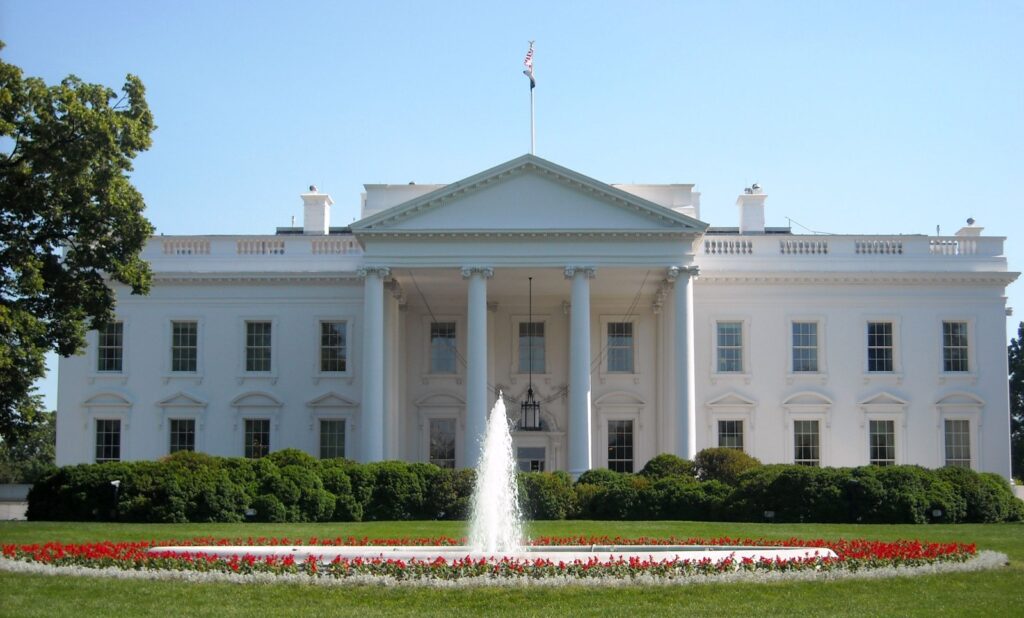
Washington has changed the tool but not the goal. After six months of war with Iran, the Trump administration says its main weapon from here is money, not missiles, and the president says he sees no need to hurry.
That is the strategic shift behind Friday’s anniversary of the U.S.-Israel campaign. Officials announced this week that they will concentrate on economic pressure, threatening to punish any country or company that keeps trading with Tehran. Treasury Secretary Scott Bessent presented it under the name “Operation Economic Outcast.” Only warnings have gone out so far, with no secondary sanctions announced, and Bessent conceded the approach carries economic risk for the United States too.
The Treasury Department did move on Friday against Banque Misr, Egypt’s second-largest bank. It said it was taking steps that could eventually sever the bank from the U.S. financial system, calling it a lifeline for Tehran’s leadership.
Why the pivot
The war has cost more than $37.5 billion. The administration is also weighing smaller munitions stockpiles, and there is concern that a long conflict could weaken U.S. readiness in other regions. No American troops have gone into Iran, a point Trump uses when people compare the war to Iraq and Afghanistan, where more than 7,000 Americans died.
China is the pressure point. It is Iran’s biggest trade partner and oil buyer, and it has said it opposes “illegal unilateral sanctions.” Trump, asked why Chinese banks were not already targeted, answered: “Who said I’m not? You don’t know if I’m doing it.”
Israel is pulling in the same direction. Prime Minister Benjamin Netanyahu has backed the pressure campaign and said he discussed a “third option” with Trump. Of any deal he said: “an agreement cannot be reached.”
Leverage on both sides
Trump argues the blockade has shut Iranian oil out of the market, and says the leadership is “in deep trouble.” Iran holds a counter-card in the Strait of Hormuz. About 130 vessels used it each day before the war; Trump said 24 passed on Wednesday. Qatar and Pakistan are mediating, and Qatar’s prime minister was in Tehran on Thursday.
Analysts doubt that sanctions alone will work. Aarathi Krishnan of RAKSHA Intelligence Future notes that Tehran has spent decades adjusting to sanctions through discounted oil sales and opaque shipping and financial networks. Richard Goldberg, a former National Security Council adviser on Iran now at the Foundation for Defense of Democracies, argues Iran would be in “uncharted waters” if Washington follows through with a truly biting campaign against its trade partners.
A June deal that would have reopened the strait collapsed within weeks. Trump has shown no appetite to revive it. His line to reporters on Thursday left little doubt: “We’re not looking to meet or anything.”
Sources
- Trump says he’s ‘not in a hurry’ to end Iran war
- Trump Says He’s ‘Not in a Hurry’ for Iran Talks—Says US ‘Winning Very Big’ as Conflict Drags On




