
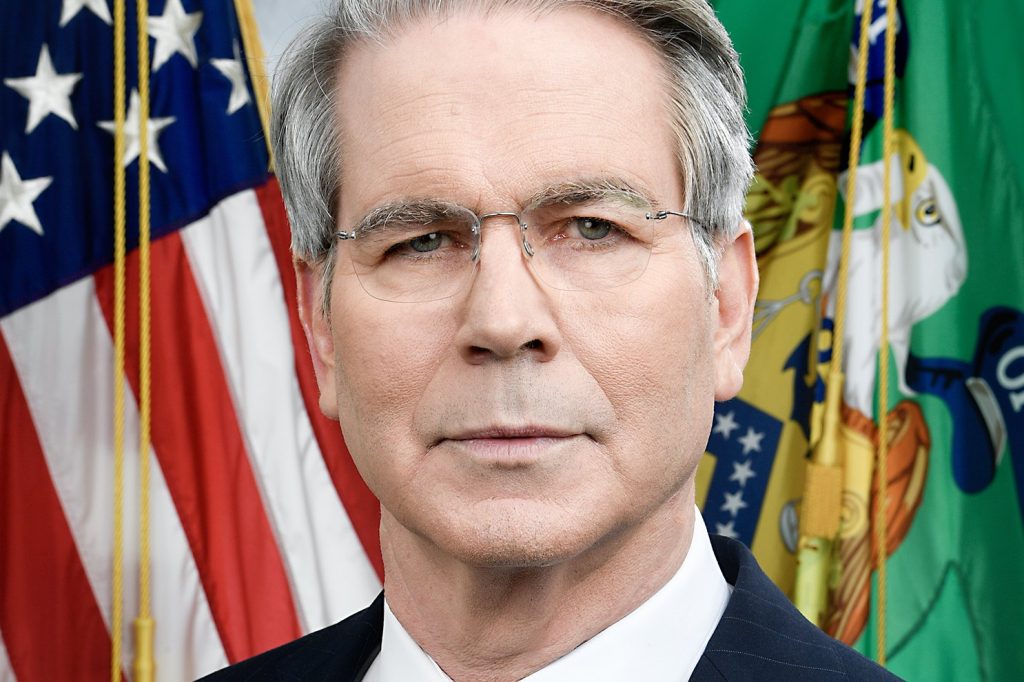
“It is a one-two punch. We have the blockade, and we are going to have the toughest sanctions in history.” That was Treasury Secretary Scott Bessent on CNBC on Thursday, speaking about a war with Iran that is nearly six months old. “It is going to work in Iran, and we are going to collapse this regime.”
He did not stop at Iran. Countries that keep doing business with Tehran, whether moving money, buying oil or shipping goods by sea, will meet the “full might and force” of the Treasury, he said. “You’re either with us or against us.” He called the plan the “greatest coordinated economic isolation in the history of the world.”
President Donald Trump had set the tone a day earlier. He promised “the most crushing economic operation ever taken against any country” and threatened “tremendous consequences” for anyone still trading with Iran.
The China question
Asked whether China would be targeted, Bessent gave no direct answer. Some conversations, he said, are best held “in private.” He argued that every country has a stake in reopening the Strait of Hormuz, which Iranian forces have restricted since the war began on February 28 with U.S. and Israeli attacks. “Keep in mind that the Chinese get 50 percent of their energy from inside the Gulf,” he said. “So it would do them a big service to get with the programme.”
On the same Thursday the administration added to its sanctions list, naming 10 people tied to Hezbollah, including a Turkish businessman accused of helping move money to the group’s base.
Critics have long doubted that sanctions can deliver goals like regime change.
Why analysts are cautious
An analysis by Stockman, summarized by NaturalNews.com, goes further. It argues that Bessent’s plan repeats the “same clueless overconfidence” that marked the military phase. Iran produces roughly 85 percent of its food at home, the analysis says, and inflation of 70 to 80 percent and a shrinking economy do not add up to imminent collapse. Stockman wrote that Iran could absorb months of added isolation because of its past experience with sanctions.
The same report says the pinch may reach the rest of the world first. It puts the U.S. Strategic Petroleum Reserve at 305 million barrels, the lowest since 1983, and says diesel is up 59 percent and jet fuel 68 percent. Its conclusion: prolonged mutual attrition is more likely than a quick Iranian surrender.
Sources
- US Treasury secretary says new economic measures will ‘collapse’ Iran
- Treasury Secretary Bessent Promises New Iran Measures Amid Stalemate â NaturalNews.com




