
“No region of Russia can feel safe,” Security Council Secretary Sergei Shoigu said in 2026, naming the Ural region among the places within reach of Ukrainian drones. A few years earlier the idea would have sounded absurd. A timeline from United24 Media follows how Kyiv got from patchy sabotage to strikes that Russia now treats as routine.
2022 and 2023: first reach
Early in the full-scale invasion, reports of attacks inside Russia, including a fire at an oil depot in Belgorod, were mostly rumor. Kyiv denied many of them, and some were suspected of being Kremlin propaganda meant to excuse attacks on Ukrainian civilians.
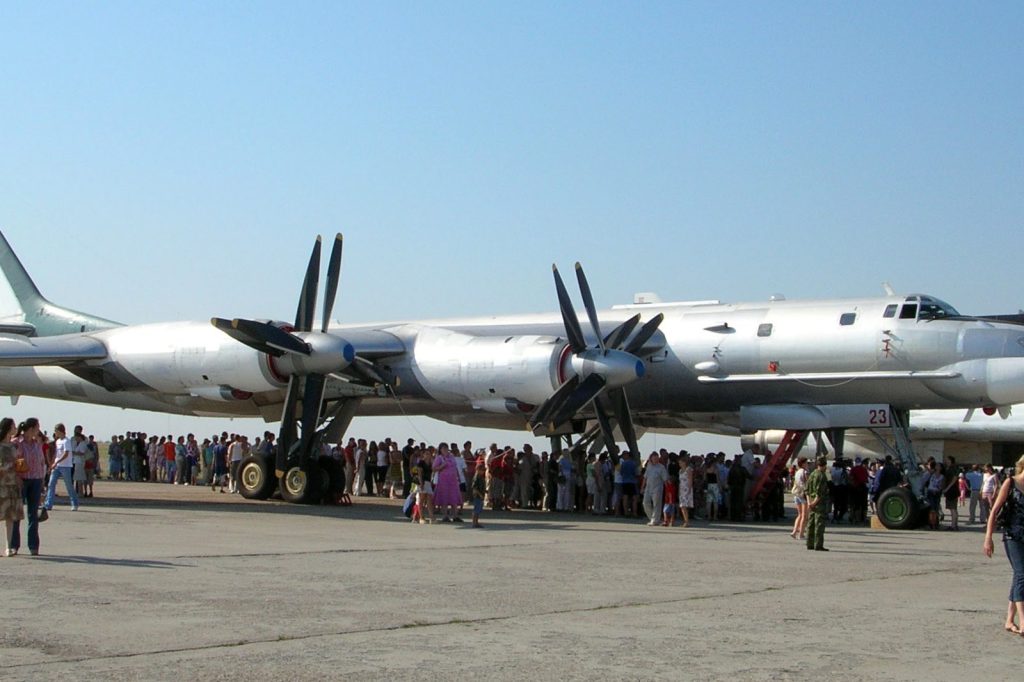
The first operation nobody could dispute came on December 5, 2022. Explosions hit the Engels and Dyagilevo airbases, both far inside Russia and both home to strategic bombers. Infrastructure and aircraft such as the Tu-95 were damaged, whatever Moscow claimed at the time. Engels was struck by a drone again on December 25.
In 2023 the pace picked up. On May 3, drones hit an airfield in the Bryansk region, destroying two targets and damaging a third. A drone also struck the Kremlin that day, though who launched it is disputed. On May 30, eight drones reached Moscow. They did little military harm, but the raid showed how thinly the capital was covered. An airfield in the Pskov region lost two Il-76 transports, with two more damaged.
That year also brought the first ground incursion. Most of the fighters were volunteers from groups such as the Freedom of Russia Legion and the Russian Volunteer Corps, and they crossed on foot.
2024: oil, Kursk and the Black Sea
Oil became the main target. Ukraine hit Russian oil infrastructure 84 times in 2024, mostly refineries, and fired more than 50 Neptune missiles. Drones reached an air defense plant 1,300 km inside Russia. Once the United States and its allies allowed Ukraine to use US-made missiles on Russian targets, four airfields were hit at the same time.
At sea, UK intelligence assessed that 25% of Russia’s warships had been destroyed or damaged, the Moskva among them. Many vessels left Crimea, and Ukrainian grain and other exports rose by 57% in 2024.
In August, Ukrainian troops opened a front in the Kursk region, taking towns such as Sudzha and holding a presence in 83 settlements. The front stayed on Russian soil until April 2025.
2025 and 2026: mass launches
Attacks in 2025 came almost daily, 371 in all. Early in the year, 240 drones went toward military and oil targets in Russia, with Moscow among them. Ukrainian drone output rose from 20,000 a month to 200,000. Strikes on oil cost the Kremlin $12 billion, and one unit alone destroyed $4 billion worth of air defense.
In June 2025, Operation Spiderweb used trucks packed with drones to hit several airfields, some deep in Siberia. Ukraine says it took out around a third of Russia’s nuclear-capable bombers. Planning had run for more than a year and a half.
The Black Sea Fleet’s retreat to Novorossiysk did not end its exposure. Ukraine struck the city’s submarine port in December 2025 and hit five warships there on March 1-2, 2026.
Missiles now carry much of the load. The Flamingo is Ukrainian-made, and British Storm Shadows add to it. In February 2026 the FP-5 Flamingo hit the Votkinsk Plant in Udmurtia, and the Redinko missile fuel plant in the Tver region was struck the same month. In March, Kremniy El, a Bryansk factory making microchips for missiles, was hit.
On March 8-9, Ukraine sent 754 drones at Russia and occupied territory, a record. Later that month, Baltic ports used to export oil through the Shadow Fleet were hit on March 23, 25, 26 and 31. The Kirishi refinery in the Leningrad region was struck on March 26, and the Nizhnekamskneftekhim petrochemical plant in Tatarstan on March 31. The campaign has disrupted 30% of Russian oil exports. By early 2026, Ukraine was making up to 200 long-range strike drones a day.




