
A Pattern of Stalled Progress
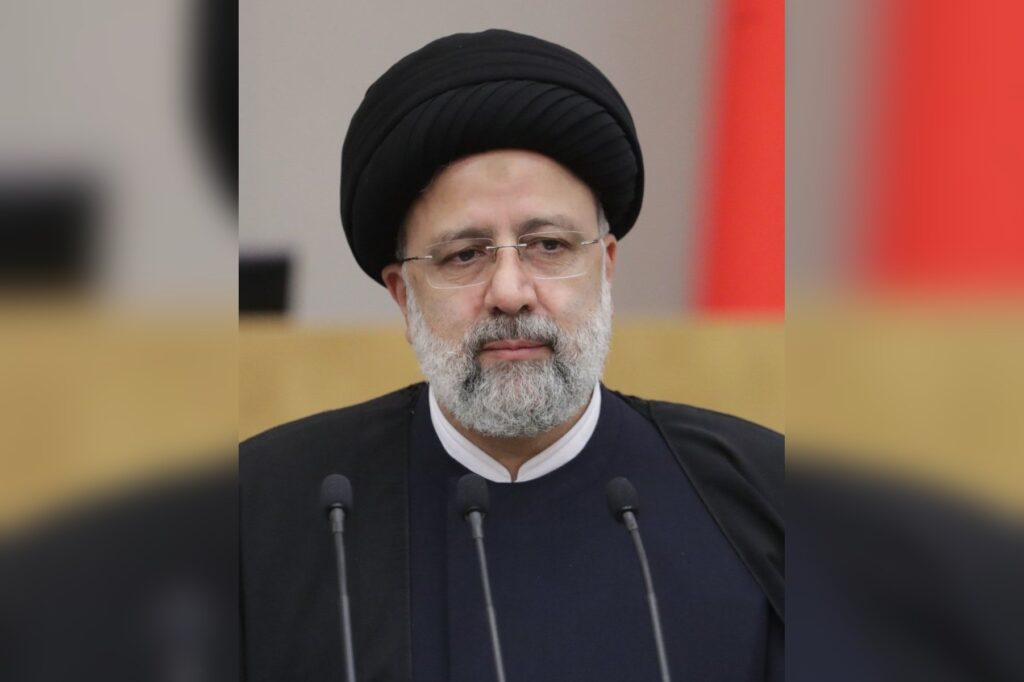
The Vienna talks, which opened in April 2021 as indirect discussions between Washington and Tehran, moved through several rounds that spring. European diplomats shuttled between the two delegations, keeping the process alive despite the absence of direct bilateral contacts. Then came Iran’s presidential election in June 2021. Ebrahim Raisi won that contest, and the talks promptly paused. After Raisi took office, the diplomatic track went quiet for months. It was not until November 2021 that negotiations resumed in Vienna, and they carried on into 2022. The rhythm of these pauses and restarts has raised fundamental questions about whether the process can sustain momentum. Each interruption makes the next round harder to restart.
The arc of the Vienna talks now echoes the fraught negotiations the Trump administration conducted with China. Those negotiations saw repeated cycles of optimism followed by collapse, with both sides calculating that walking away was better than compromising. The Vienna pattern is following a similar trajectory. The pause after Iran’s election, the slow restart, the grinding pace of technical discussions—all of it resembles a road that led to tariffs and tension, not a final agreement.
Behind the Diplomatic Impasse
The political environment around the talks has shifted. The Raisi government has consolidated power in Tehran, and its negotiating posture has hardened. The United States maintains its own clear red lines. Compounding the difficulty is the indirect format itself: with no direct bilateral contacts, every signal must be filtered through European intermediaries, a process that amplifies mistrust on both sides. The window for a diplomatic solution is narrowing.
To understand the stakes, one must look at the deeper background of U.S.-Iran diplomatic engagement. The 1979 Iranian Revolution toppled a U.S.-backed monarchy and led to the hostage crisis at the American embassy in Tehran. Diplomatic relations were severed and have never been restored. For years, the two sides viewed each other with deep suspicion. The United States imposed escalating economic sanctions, while Iran pursued a nuclear program it said was peaceful but that many nations feared was aimed at developing weapons.
In 2015, after years of secret and then public talks, the United States, Iran, and five other world powers reached the Joint Comprehensive Plan of Action, or JCPOA. That agreement sharply limited Iran’s nuclear activities in exchange for relief from many international sanctions. It was seen as a landmark of multilateral diplomacy. But the accord began to unravel in 2018, when the United States withdrew and reimposed harsh sanctions. Iran responded by breaching the deal’s limits on enrichment and stockpiles, setting the stage for the current diplomatic crisis. The Vienna talks that began in 2021 represent the latest attempt to restore the JCPOA or strike a new arrangement. Progress has been slow and uneven.
What Is at Stake
The outcome of these talks carries enormous consequences. A successful deal could prevent a nuclear-armed Iran and reduce tensions across the Middle East. Failure risks a destabilizing regional arms race, economic disruption from sanctions, and the possibility of military confrontation. For readers, the outcome affects global oil prices, the security of allies, and the broader balance of power in a volatile region. The pattern of starts and stops has raised doubts about whether the two sides can overcome their mutual distrust.
For now, the talks continue. But the pattern is set. The question is not whether more rounds will come—they almost certainly will. The question is whether the next pause will be the last. The comparison to the China talks is a warning: both sides calculated that walking away was better than compromising. The same calculus is playing out in Vienna. As the technical discussions grind on without a breakthrough, the diplomatic window continues to narrow.




