
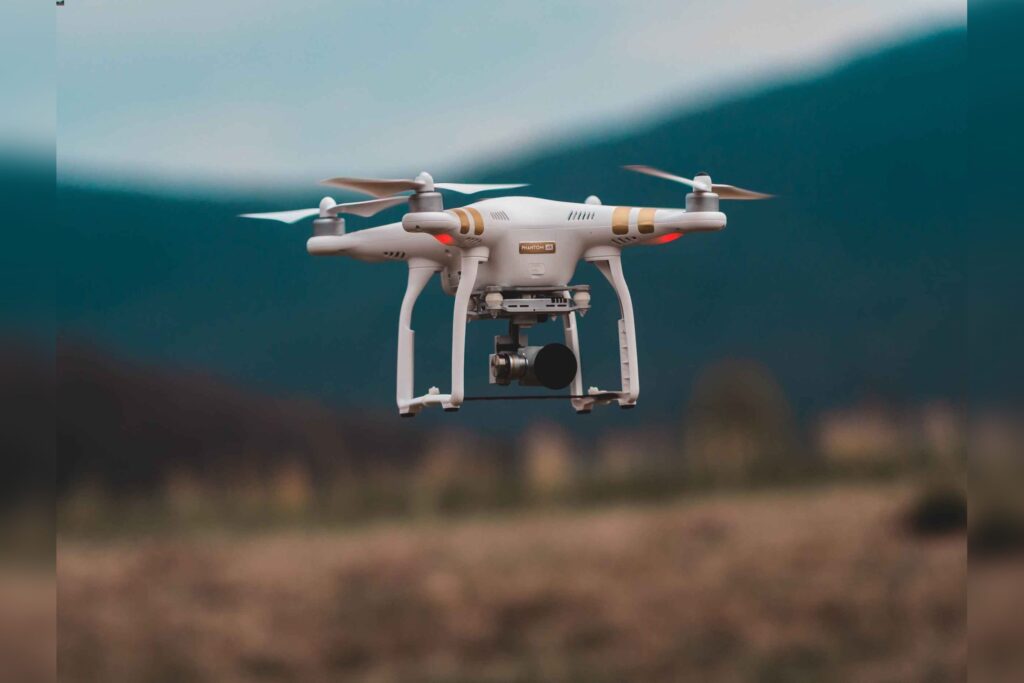
KYIV, July 14 — Against this backdrop of grinding artillery duels and contested trench lines, a quieter but no less decisive battle has been unfolding in the skies and waters of the Black Sea region. Drone warfare, once a supplementary tool, has become the defining feature of the Russia-Ukraine war since the full-scale invasion began on February 24, 2022. What started with the deployment of Turkish Bayraktar TB2 drones for reconnaissance and strikes has evolved into an industrial-scale contest of unmanned systems.
By 2023, both sides were deploying thousands of first-person view, or FPV, drones. Ukraine’s institutional response was swift: in May 2024, it established the Unmanned Systems Forces as a separate branch of its military.
Naval drones and strategic strikes
The war at sea has been transformed by drone technology. In October 2022, Ukraine used naval drones for the first time in an attack on the Sevastopol naval base. That paved the way for a series of devastating blows.
On February 14, 2024, Ukrainian naval drones sank the Russian landing ship Caesar Kunikov in the Black Sea. Later that year, in December 2024, Ukraine struck the Engels-2 airbase.
These operations sit alongside the sinking of the Russian cruiser Moskva in April 2022, though that was achieved by anti-ship missiles, not drones. The distinction matters in the corridors of military analysis: drones have not replaced traditional munitions, but they have radically expanded the range of what is possible. By January 2025, the scale of operations had become staggering.
Ukraine reported striking over 1,500 Russian targets in a single 24-hour period. Much of that work was done by FPV drones, which Ukraine now produces at a rate of over 100,000 per month as of late 2024.
The technological race
Russia has not been idle. Its arsenal includes Iranian-made Shahed-136 drones and the Lancet loitering munition. The wider picture is one of relentless innovation: both sides are locked in a cycle of deployment, countermeasure, and adaptation.
What is at stake in this drone war is not merely tactical advantage. The conflict has become a laboratory for the future of armed conflict.
For Ukraine, mass production of drones offers a way to offset Russia’s advantages in artillery and manpower. For Russia, drones provide a means to project power deep behind Ukrainian lines without risking pilots. The trajectory is clear.
The drone war shows no signs of slowing. The next phase may well determine whether unmanned systems become the primary instrument of combat or remain a devastating supplement to traditional arms.




