
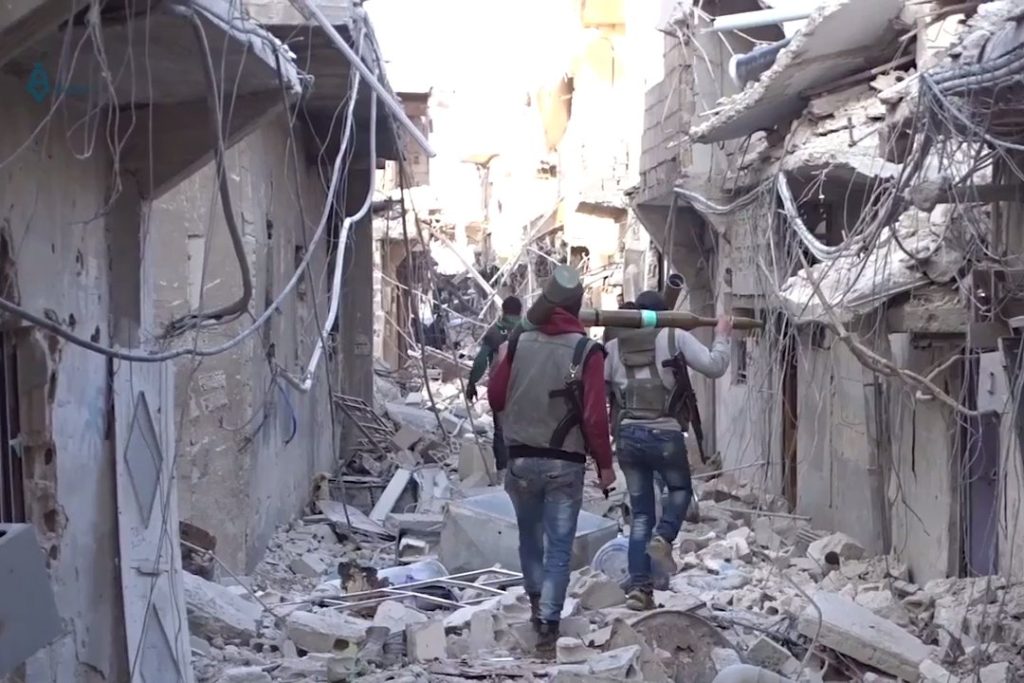
Strategic Capture in the Syrian Desert
On December 4, 2024, rebel forces took control of the town of Al‑Saan together with the nearby villages of Shaykh Hilal and Suruj in Hama Governorate. The seizure marked a loss of territory for the Syrian government, which has been reliant on Iranian backing to sustain the Assad regime.
Al‑Saan, home to roughly 3,360 residents, lies in the Syrian Desert about fifty kilometres northeast of Salamiyah and also northeast of the city of Hama. The town’s position on a key desert road makes it a significant point for movement between different parts of the country. Controlling that corridor alters supply routes and changes the calculations for both the government and its opponents.
Because the conflict has persisted for more than ten years, any shift in control of such a route can influence the broader balance of power. Al‑Saan is predominantly inhabited by Ismaili Muslims, a minority community within Syria.
The settlement was established in the late nineteenth century by Ismaili families who migrated from other areas of northern Syria after the authorities of the time offered low tax rates. The harsh desert environment made life difficult, yet the location proved attractive for those seeking a new start. That same remoteness now gives the same isolation once attracted settlers has turned the town into a prized military objective.
The rebel takeover is a setback for the Syrian government, which receives substantial support from Iran. Iranian assistance to the Assad administration has drawn criticism from Western nations, especially the United States.
The current US president has repeatedly urged an end to Iranian interference in the region. Analysts suggest that the recent loss of Al‑Saan could heighten tensions between Tehran and Washington and may encourage the international community to consider more direct steps to stabilise Syria. Nevertheless, the broader picture shows that pressure on the world to act has existed for years. The Syrian war has not paused, has not been resolved, and has merely changed shape.
The capture of Al‑Saan represents the latest transformation in a conflict that remains active, violent, and consequential. The Syrian authorities no longer govern the town; rebel forces do, and that reality is unlikely to shift without further confrontation.
Observers note that the desert itself does not favour any side; it simply awaits whoever decides to contest it. The timing of the operation—early December 2024—underscores that the fighting is not a relic of earlier years such as 2015 or 2016. Instead, the conflict continues to fade from global headlines while battles over small settlements keep reshaping the strategic map.
Although Al‑Saan’s population is modest, its value in a war where every hilltop and highway can tip the scales is considerable. Both the government and its adversaries, as well as their foreign backers Iran and the United States, recognise the town’s significance.
The change in control will have notable repercussions for the regional situation, even if the exact future course remains uncertain.




