
Sweden’s left-leaning opposition won the 13 September general election by three seats. The count gave the four opposition parties 176 of the Riksdag’s 349 seats and the governing Tidö parties 173.
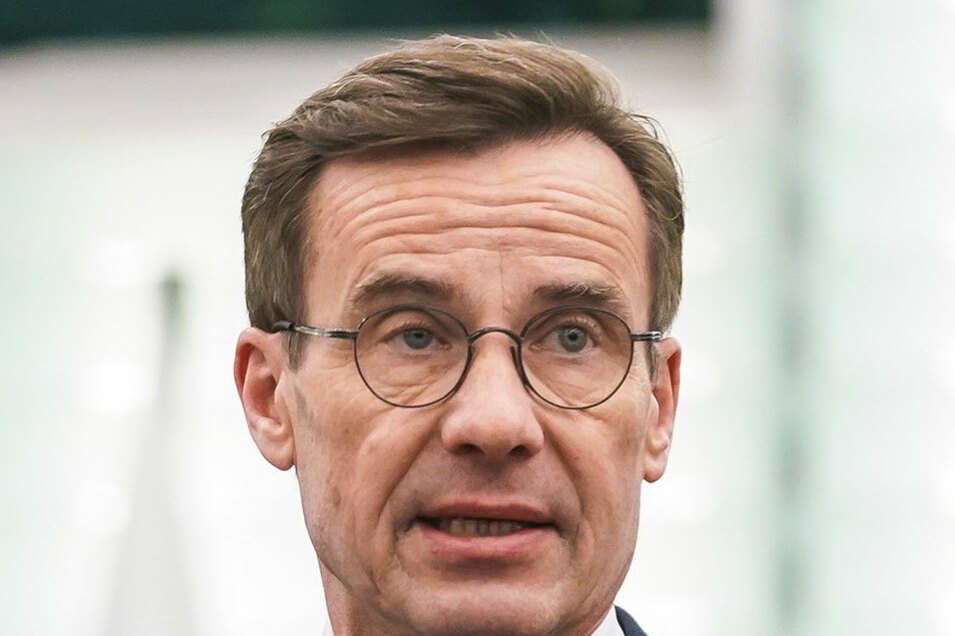
Prime Minister Ulf Kristersson announced his resignation after the result. Magdalena Andersson, the Social Democratic leader, began talks with the other opposition parties on forming a government.
For a while the outcome looked less settled. On election night the opposition led by three seats, then at 80% counted the margin shrank to 175 against 174. It widened again to 176 against 173, though roughly 30,000 votes separated the two blocs and many advance votes were still outstanding. The last ballots from abroad and late-arriving early votes confirmed that margin. By 17 September the count was finished: 49.6% for the opposition, 48.8% for the Tidö side.
The Sweden Democrats slip to third
The Social Democrats stayed the largest party with 28.0% and 99 seats. That is their weakest vote and seat share since 1911. The Moderates overtook the Sweden Democrats to take second place, with 19.9% and 70 seats. The Sweden Democrats finished third on 17.5% and 62 seats, the first drop in their support at a general election since 1988.
That hurts, given what the party had been after. In March, the Liberals and the Sweden Democrats announced a deal called “The Sweden Promise”, which would have given the Sweden Democrats cabinet posts if the Tidö parties won a majority. The party had backed Kristersson’s Moderate, Christian Democrat and Liberal cabinet from outside government since 2022 under the Tidö Agreement. Entering government was one of the central questions of the campaign.
A divided map
The opposition piled up gains in the cities, winning landslides in the four largest. It also narrowed its deficit across much of the south and the outer county around Stockholm.
The right did better elsewhere. The Tidö parties made big gains in central and northern Sweden and took Gävleborg and Värmland, two counties with a socialist history, against the national trend. In a number of former socialist strongholds, municipalities voted for the right in a national election for the first time.
The vote was the first general election since Sweden joined NATO on 7 March 2024.
Coalition arithmetic for Andersson
Her path is not simple. The Centre Party said throughout the campaign that it would work with nobody who relied on the Sweden Democrats, and it also vowed to oppose any government that included the Left Party. The Left Party said it would not act as a support party for a Social Democratic government, as it has done for much of its history, and would oppose any government it was not part of. Polls had suggested all four opposition parties would probably be needed for a majority.
One alternative drew media attention after the vote: a centrist government of the Social Democrats, Greens, Centre Party and Christian Democrats. The Centre Party prefers it. The Greens are doubtful. Busch of the Christian Democrats said on 2 September that his party would vote against Andersson even if that forced a new election.




