
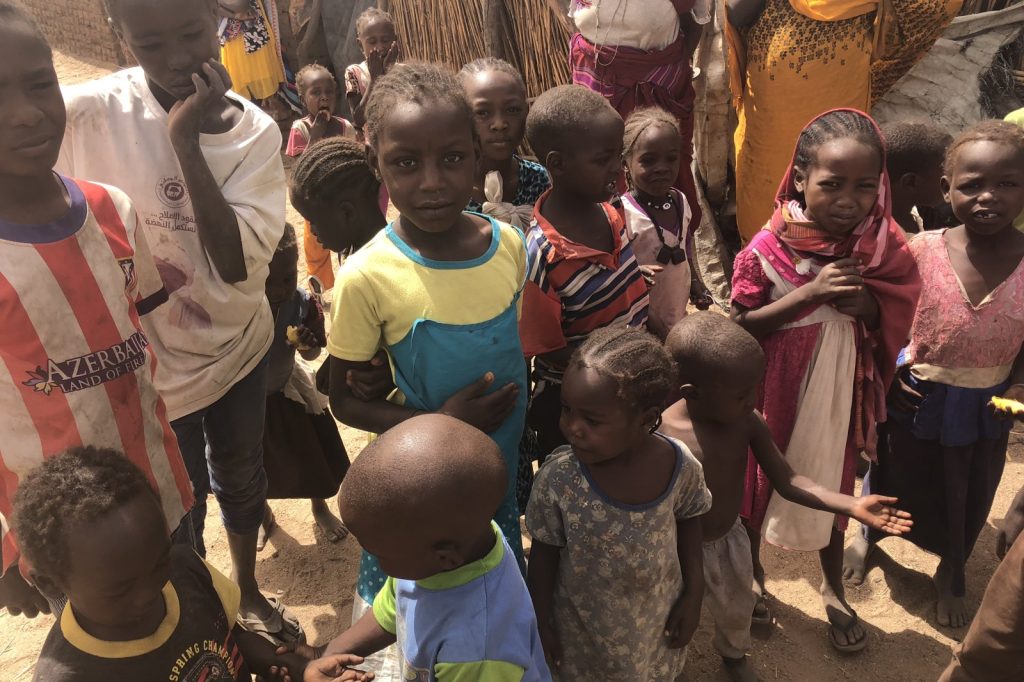
The World Food Programme is cutting 800,000 people in Sudan from emergency food aid until the end of 2026. Money ran short, and the agency says it has to focus on the most vulnerable. About 500,000 of those dropped are refugees.
WFP had planned to reach 4.6 million people a month this year. Families still on its lists mostly receive half rations, which cover just 50 percent of minimum food needs. To keep helping 4 million people with life-saving food and nutrition aid, the agency says it needs US$402 million between October 2026 and March 2027. Its total appeal for that period is US$426 million.
A hunger crisis in its fourth year
The war has now run into a fourth year, and WFP describes Sudan as one of the world’s most severe hunger crises. Some 19.5 million people face acute hunger, and 5 million of them are at emergency levels. Famine remains a risk across several hotspots, mainly in greater Darfur and greater Kordofan. Around 8.6 million people are displaced inside the country.
In the places where fighting goes on or has moved, displacement, violence and limits on movement are wrecking livelihoods and cutting people off from food.
Prices climb
Costs are rising too. Disruption to shipping routes in the Red Sea has pushed up the price of fuel and fertilizer. On average, sorghum costs nearly three times what it did a year ago, and wheat flour has almost doubled.
El Niño could make matters worse. WFP says it may push another 1.2 million people into acute hunger by the end of the next lean season, in August 2027.
How the famine warnings began
The alarm was raised in 2024. On 1 August that year, the Global Famine Review Committee reported that IPC Phase 5 famine conditions were possibly ongoing in North Darfur near Al-Fashir, and that similar conditions were a high risk in camps for displaced people. Severe malnutrition spread through Darfur, Kordofan and neighboring countries that took in refugees, such as Chad.
Human rights groups blamed the Rapid Support Forces for making it worse by looting cities and destroying harvests. They said the Sudanese army also limited aid by stopping food shipments from entering areas the RSF controls, which cut off life-saving help for many.
Sources
Sources
- Famine in Sudan (2024–present) – Wikipedia
- IPC: Famine and food insecurity spread in Sudan as… | IFPRI




