
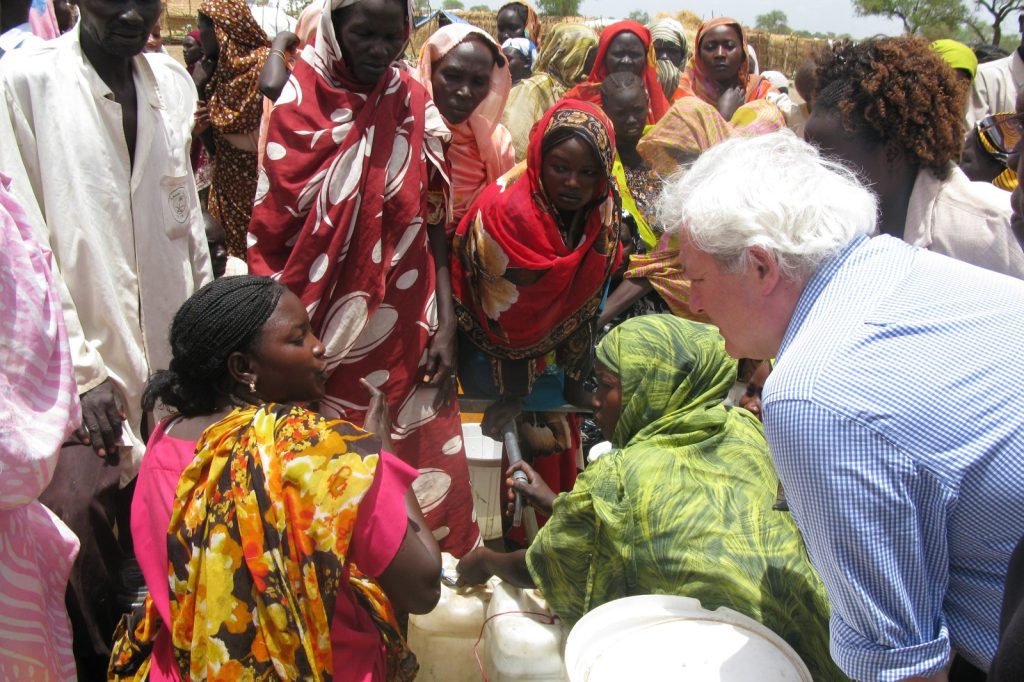
A new assessment from the Integrated Food Security Phase Classification (IPC) warns that 19.5 million people in Sudan are now experiencing hunger. The nation has been grappling with the destructive effects of a three-year civil conflict. The figure highlights the deepening humanitarian emergency across the region, where widespread food insecurity has become a daily reality for millions of residents. The IPC classification system serves as a standardized tool for evaluating the severity of food crises by integrating data on food security, nutrition, and livelihoods.
Developed in 2004 by the United Nations Food and Agriculture Organization’s Food Security Analysis Unit, the IPC scale has since been adopted by numerous national governments and international bodies, including CARE International and the European Commission Joint Research Centre. This collaborative framework has produced a robust method for food security analysis, supporting more informed decision-making and response planning.
The IPC’s projections are grounded in a detailed examination of food availability, access, and utilization. They also consider the effects of conflict on livelihoods and nutritional status. The situation in Sudan is especially severe, as the ongoing civil war has worsened pre-existing food security problems. The fighting has disrupted agricultural output, damaged infrastructure, and restricted access to markets. These factors have resulted in acute food shortages and rising prices.
The IPC’s alert underscores the pressing requirement for humanitarian aid and support to impacted communities. This includes food assistance, nutrition initiatives, and livelihood programs. As global actors mobilize to address this crisis, emphasis must be placed on a coordinated and sustained effort to tackle the underlying drivers of food insecurity and facilitate the recovery of affected populations.
The IPC classification system offers a critical framework for grasping the magnitude of food insecurity emergencies and guiding response actions. By combining information on food availability, access, and utilization with nutrition and livelihood data, the IPC enables a thorough assessment of conditions on the ground. This intelligence is vital for crafting effective response strategies, such as targeting humanitarian relief and implementing programs that support agricultural rehabilitation and livelihood restoration. Moving forward, tackling the humanitarian crisis in Sudan demands a persistent and unified effort from the international community.
This involves not only delivering emergency food aid and nutritional support but also funding initiatives to restore agricultural productivity, rebuild infrastructure, and foster economic recovery. The IPC’s assessments will continue to play a key role in directing the global response, ensuring that assistance reaches those most in need.
The warnings serve as a clear call for immediate action. They emphasize the collective responsibility to respond with urgency and compassion to a crisis that threatens the well-being of millions.




