
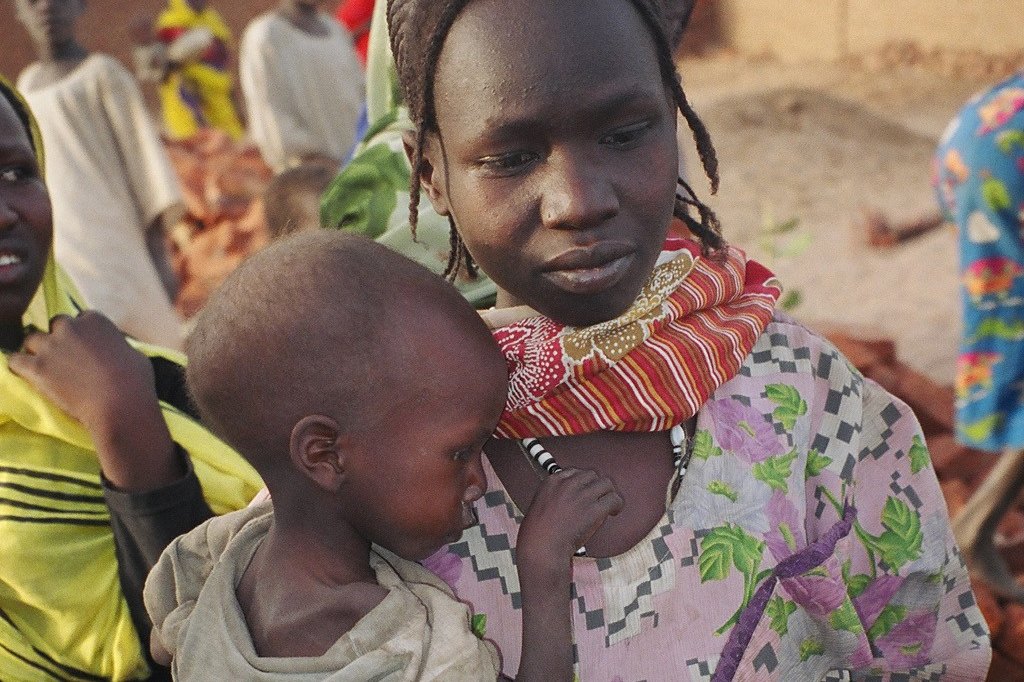
At least 120 people were reportedly killed in shelling of Omdurman on 13 and 14 January, and early reports said children were among them. Days earlier, on 7 and 8 January, shelling in Khartoum State reportedly killed 23 children and wounded nine.
Edouard Beigbeder, UNICEF’s regional director for the Middle East and North Africa, listed those attacks in a statement from Port Sudan on 15 January 2025, as he ended a visit to the country. He called them “only a few examples of unconscionable violence against children.” Since the conflict began in April 2023, he said, thousands of children have been killed or injured, and sexual violence and child recruitment have been widely reported.
Violations against children
The fighting moved into new areas between June and December 2024. In those months more than 600 incidents of grave violations against children were reported. Eighty per cent of the accounts involved killing and maiming, mostly in Darfur, Kordofan and Khartoum States.
Famine in at least five places
Hunger and disease are hitting the youngest hardest. Beigbeder said famine is occurring in at least five locations: the Zamzam, Abu Shouk and Al Salam camps in North Darfur, and host communities and camps for displaced people in the Western Nuba Mountains. Estimates suggest five more areas could be affected between now and May, and another 17 locations face a risk of famine. Hundreds of thousands of malnourished children are threatened.
The warning is not new. On 1 August 2024 the Global Famine Review Committee reported that IPC Phase 5 famine conditions were possibly under way in North Darfur near Al-Fashir, with a high risk of the same across camps for displaced people. Human rights groups have said the Rapid Support Forces made things worse by looting cities and destroying harvests, while the Sudanese army restricted aid by blocking food shipments into areas the RSF controls.
UNICEF expects 770,000 children under five to suffer severe acute malnutrition, the deadliest form, in 2025. Beigbeder visited a stabilization centre in Port Sudan where some of them are treated. He said he saw “how critical it is to reach them with timely, lifesaving care.”
What aid is getting through
In 2024, UNICEF and its partners provided psychosocial counselling, education and protection services to 2.7 million children and caregivers. They gave safe drinking water to more than 9.8 million children and families and screened 6.7 million children for malnutrition. Of those, 422,000 received lifesaving treatment.
Delivery is slow. Permit approvals, checkpoints and inspections of consignments can add long delays to a journey, and security problems pile on top. Beigbeder asked the Government of Sudan and all other parties to allow sustained, unimpeded and safe access to children wherever they are. “An end to the conflict is the only way,” he said, to give children in Sudan a chance at rebuilding their futures “free from the horrors of war.”




