
The number is 19.5 million. That is how many people in Sudan are facing acute hunger, according to the UN-backed Integrated Food Security Phase Classification (IPC), or more than 40% of the population after three years of war between the Sudanese Armed Forces and the paramilitary Rapid Support Forces.
The estimate sits slightly below last fall’s 21.2 million. It still describes what the war has produced: the world’s worst hunger crisis, with hundreds of thousands of deaths estimated and 14 million people displaced.
Where famine risk remains
The IPC said 14 areas in North Darfur, South Darfur and South Kordofan remain at risk of famine, and about 135,000 people face “catastrophic” levels of hunger. The list includes the areas around el-Fasher and Kadugli, judged last year to be in famine largely because of RSF sieges. The RSF completed its takeover of el-Fasher in October, largely emptying the city, and the army broke the siege of Kadugli this year. Areas of North Darfur that host people who fled el-Fasher, among them Tina, Um Baru and Kernoi, face famine risk too.
Drones have largely replaced ground campaigns. The UN human rights office says they have killed at least 880 civilians since January, hitting markets, hospitals and power stations. Fighting continues in Kordofan and Blue Nile state. “Ongoing hostilities, especially around major supply routes, such as El Obeid in North Kordofan, and the possibility of renewed siege-like conditions continue to heighten risks,” the IPC said.
Children and the rains
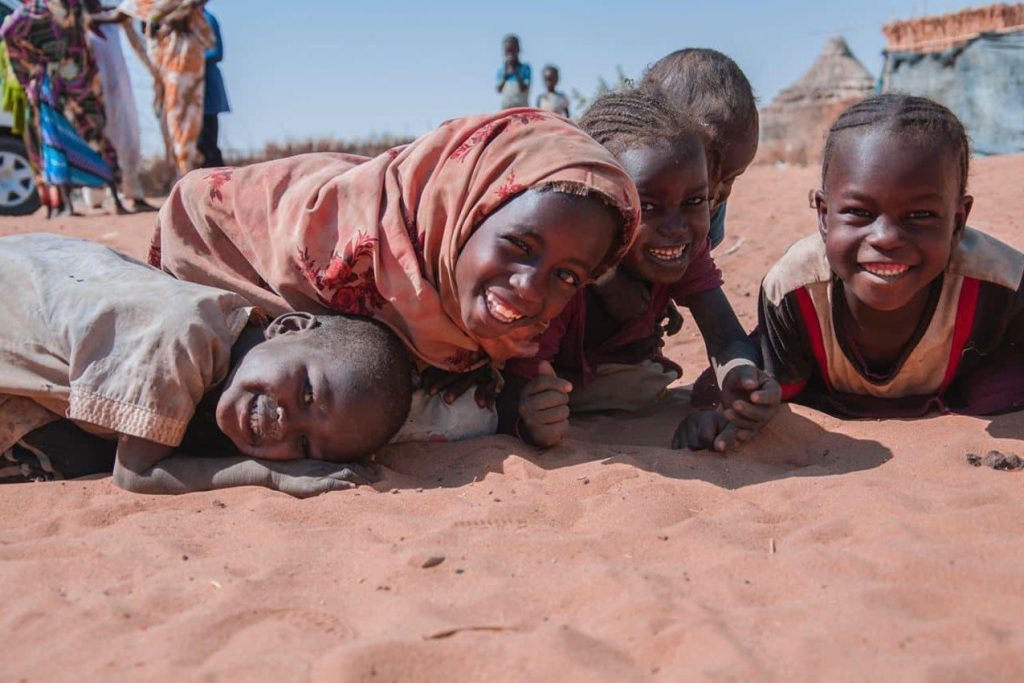
About 825,000 children are expected to suffer severe acute malnutrition, the IPC said, as insecurity, access limits and budget cuts hamper aid deliveries. More than two-thirds of the population, roughly 34 million people, are expected to need humanitarian help this year. The rainy season, which runs from May to September, usually brings shortages even in calmer years, and heavy rain can cut roads to conflict zones.
Grace Oongee of the Norwegian Refugee Council described what families are doing to survive. “We’ve had reports of families who’ve been forced to eat leaves, who’ve been forced to eat animal feed, even reports of families breaking into slaughterhouses that have been closed down just to get the skin of the animals,” she told Al Jazeera from Port Sudan. Samy Guessabi, Sudan director for Action Against Hunger, said families are skipping meals or putting some members ahead of others.
The Iran crisis adds pressure. Sudan imports fertiliser and fuel from Gulf countries, and disruption around the Strait of Hormuz is already hitting supply routes and costs. Action Against Hunger said some essential medicines bound for Sudan have been held up at logistics hubs by higher fuel costs. Aid groups say the true scale may be worse because insecurity blocks access to many regions. “I think Sudan is becoming an invisible crisis,” Oongee said.
Sources
- Sudan war pushes 19.5 million people into acute hunger crisis – The Radical Leap Group
- Sudan Faces Acute Hunger Crisis Amid War




