The Announcement
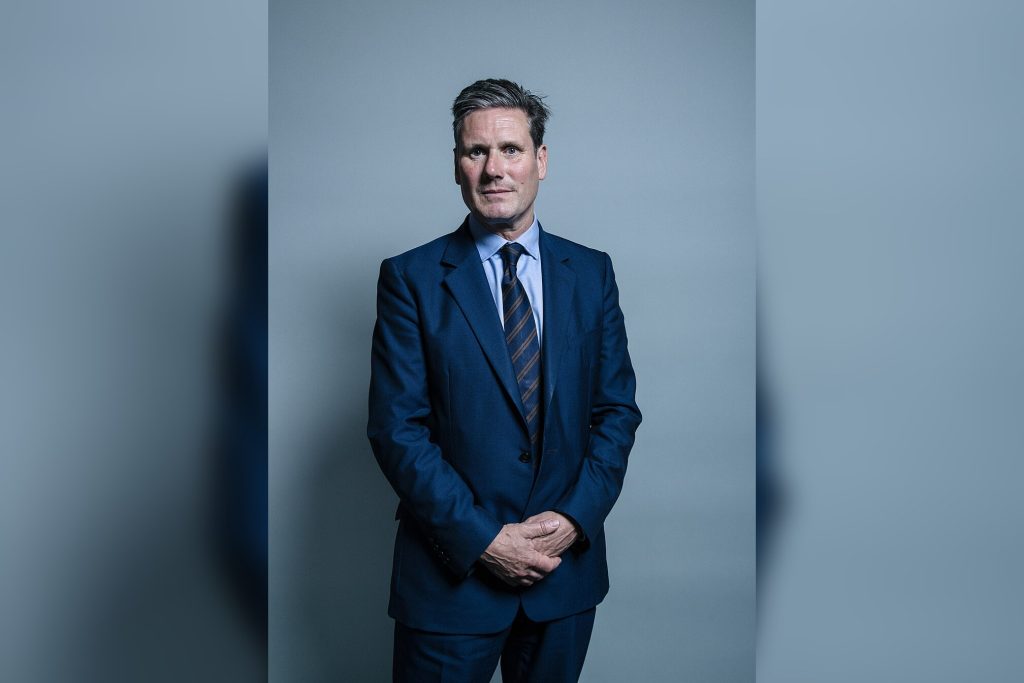
On Monday, June 22, 2026, Keir Starmer became the sixth prime minister in ten years to announce a departure from the doorstep of No. 10 Downing St. Pushed out by his own party after a run of missteps soured the goodwill from the July 2024 landslide he won on a promise of steady leadership and growth, Starmer said he will stay on as caretaker while Labour chooses a successor. Delivering the statement at the residence where he gave his first speech as prime minister, his voice choked near the end before an audience of staff, Cabinet ministers and scores of journalists.
The mechanics here were unusually direct. “I have heard the answer of my parliamentary party to that question, and I accept that answer with good grace.” he said, having already informed King Charles III of the decision. Nominations open July 9; whoever wins should be in place by Sept. 1, when Parliament comes back from its summer break. The statement landed one day before the country marks a decade since the vote that took Britain out of the European Union.
The Man Coming Back
What triggered the resignation was a by-election. Andy Burnham, the former Greater Manchester mayor, won a special parliamentary election last week, and Labour lawmakers flocked to him as the figure who might revive the party; after nearly a decade running the northwestern city he returned to Parliament on Monday and took the oath in the Commons. He confirmed on social media that “I will put myself forward as part of this process.” Backing followed at once: Wes Streeting, the former Health Secretary viewed as his main rival, said he will support Burnham instead, which makes a contested leadership race less likely. The swearing-in had its own texture: Burnham was cheered loudly by lawmakers, stopped for selfies and a group photograph alongside dozens of Labour MPs, and absorbed one heckler shouting “He’s not the Messiah!” Asked whether he would call an early election, with the next one not required until 2029, he replied: “You’re jumping several hurdles ahead there.”
Why It Came to This
Starmer struggled to deliver the promised growth, repair tattered public services or ease the cost of living, and repeated missteps did the rest, among them the appointment of Peter Mandelson, a friend of Jeffrey Epstein tarnished by scandal, as ambassador in Washington. Labour is bleeding liberal voters to the Greens while Reform UK, the anti-immigration party led by Nigel Farage, consistently leads nationwide opinion polls. Donald Trump weighed in before the announcement had even settled, posting that “He failed badly on two very important subjects- IMMIGRATION AND ENERGY (OPEN NORTH SEA OIL!)”. A relationship with Washington that began warmly has soured in recent months, notably over the Iran war, which Britain did not join.
The Ledger on the Way Out
Abroad the record reads better. Starmer won praise for rallying European support for Ukraine and for working to soften the economic and political turmoil the Iran conflict unleashed, and a NATO summit scheduled in Turkey next month may double as his farewell appearance on the world stage. Ursula von der Leyen told him “European and Ukrainian security is stronger because of you. Thank you, dear Keir.” Not everyone in his own party is at peace with the exit; London legislator Neil Coyle railed against the prospect of a stitch-up and a rewarded media circus. Olivia O’Sullivan of Chatham House, calling Burnham the front-runner seen as best placed to beat Reform, added the catch: enthusiasm for the man “not the same thing as offering a radically different set of policies or even a particularly clear policy program”. For Labour, the coming weeks will decide whether this was a reset or merely a change of face.