
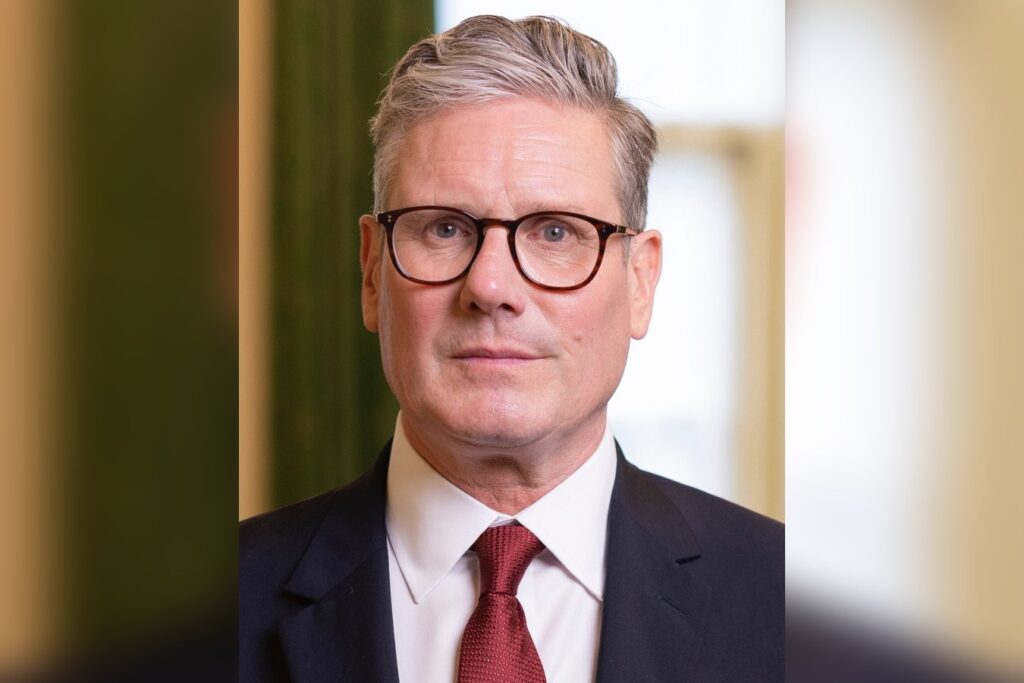
On June 22, 2026, Sir Keir Starmer announced he was resigning as Prime Minister and as Labour leader. Less than two years earlier he had won a landslide election, ending 14 years of Conservative government.
He will stay on as caretaker while Labour picks a successor. Nominations open July 9 and close at summer recess on July 16, and if a contest is needed it is due to be settled by September 1. The next prime minister will be chosen under Labour’s internal rules, with no general election involved.
How it unraveled
The damage was done in May. Labour lost well over 1,100 council seats in the 2026 local elections, while the hard-right populist party Reform UK won big. Labour MPs and cabinet ministers, nervous about the party’s prospects, spent months pressing Starmer to go. His own parliamentary party settled the question of whether he should lead Labour into the next general election.
The last push came from Andy Burnham, the Greater Manchester mayor and Starmer’s political rival, who won a major victory in a June by-election. Starmer announced his exit shortly afterwards.
He had tried to save himself. Under pressure from Reform’s gains, he hardened immigration policy and doubled the citizenship timeline from 5 years to 10. Angela Rayner, the former deputy prime minister, called the plans “un-British.” He also came under heavy scrutiny over his pick of Peter Mandelson as ambassador to the U.S., because of Mandelson’s alleged ties to Jeffrey Epstein. Starmer fired Mandelson in September 2025.
A long handover
Opposition leader Kemi Badenoch has criticised the multi-week timetable as a governance vacuum that leaves national security and economic priorities unattended. Analysts at the YIP Institute warned that a caretaker government could slow decisions on security, the economy and foreign policy until early September.
Burnham is the name heading the Labour succession. He promises to move power out of London and into other regions, and to bring Thames Water and South East Water into public ownership.
Starmer’s departure is the seventh prime ministerial transition in a decade, and the sixth resignation outside Downing Street in seven years. Commentators cited by the institute point to Brexit as one driver of the churn, along with growing public discontent with successive governments. The run began with David Cameron’s resignation in 2016 after Britain voted to leave the European Union.
Sources
- The UK Prime Minister’s Resignation: Leadership Change in Westminster | YIP Institute Rapid Response




