
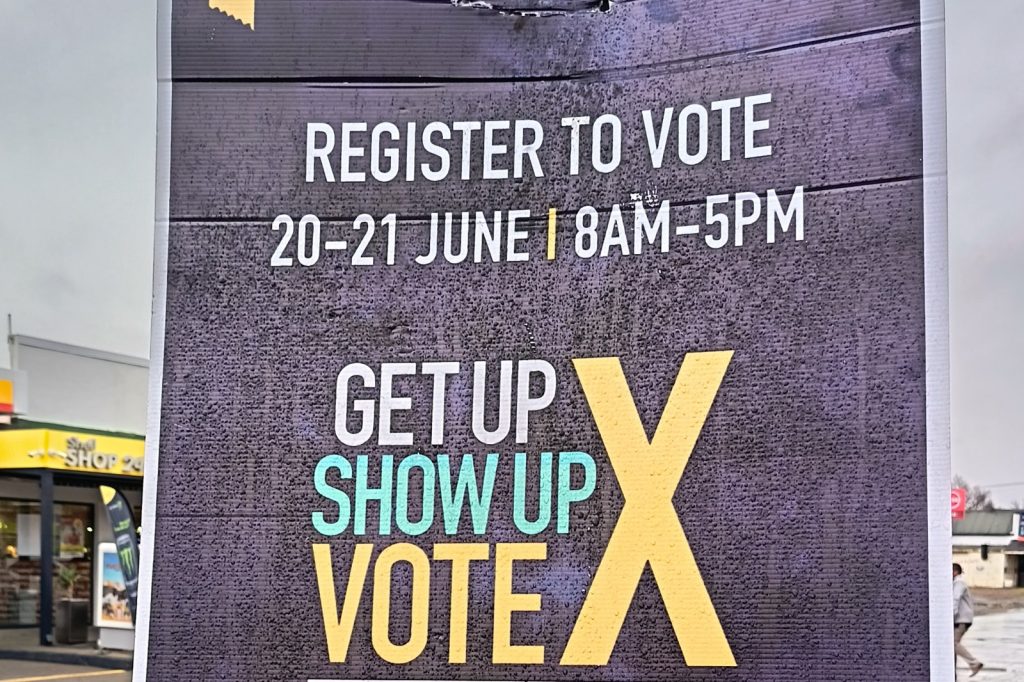
The ANC has not named a single mayoral candidate for any of South Africa’s eight metros. In August it put out a list of 42 possible names and left the final picks to its national officials. The opposition parties have moved faster.
The DA, EFF, ActionSA and the MK Party have all announced candidates in races that include Johannesburg, Tshwane, Ekurhuleni and eThekwini. South Africans vote on 4 November.
What the Ipsos poll found
Ipsos interviewed 3,600 South Africans in June and July. The firm said the figures should not be read as a prediction of the result.
In Johannesburg, Ekurhuleni, Nelson Mandela Bay and Buffalo City the ANC and DA are closely matched. Cape Town is the DA’s strongest metro, at 46 percent, and Ipsos said the party could pass 50 percent as campaigning continues. In eThekwini, MK recorded 55 percent among voters who picked a party. The EFF reached 27 percent in Buffalo City, its best metro result. ActionSA polled double digits in Johannesburg, Tshwane and Ekurhuleni.
Ipsos urged care with its Nelson Mandela Bay, Mangaung and Buffalo City numbers because the samples there were relatively small.
Analysts on the metros
Dr Siyabonga Ntombela, a political analyst at UKZN, named Johannesburg, Ekurhuleni and Nelson Mandela Bay as the likeliest to be tight. In Johannesburg, he said, “DA is making inroads with Zille’s mayoral candidacy placing it neck and neck against ANC.” A Polymarket market on the next Johannesburg mayor had Helen Zille at 67.5 percent in an 1 October snapshot, ahead of Frank Chikane on 14.7 percent and Lukhona Mnguni on 7.4 percent.
He called the DA the “favourite” in Tshwane, where polls put it between 31 and 43 percent. In Mangaung he expects the DA to lead, though “this gap might close leading up to the election.” In Nelson Mandela Bay he gave the ANC the edge, “albeit the DA is right behind it.”
Cape Town looks settled. “DA is comfortable at 46% polling result. Chances of a coalition government are slim to none,” Ntombela said, adding that the party might lose a little ground.
eThekwini is the reverse of 2021, when the ANC took 42.02 percent, the DA 26.62 percent and the EFF 10.48 percent. “The ANC led in 2021, and MK is now the frontrunner,” Ntombela said. He still doubts MK can govern alone: “MK will have the lion’s share, but will need one or two smaller parties to co-govern with.”
Professor Theo Neethling of the University of the Free State urged more caution there, since the ANC has historically been strong in the metro and the field is now far more crowded.
Coalitions
Johannesburg has 75 parties on the proportional representation ballot, Tshwane 70, eThekwini 69 and Ekurhuleni 67. Neethling said no party should assume an outright majority in most major metros, and noted that none has governed alone in Johannesburg, Tshwane or Ekurhuleni since 2016.
A small party with only a few seats could become the “missing link” if larger ones fall short, he said. “The result does not merely determine who comes first; it determines who possesses sufficient negotiating power to assemble a workable majority after the election.”
Sources
- LGE 2026: ANC, DA face metro battles as MK leads in eThekwini
- 2026 South African municipal elections – Wikipedia
- LGE 2026: The battle for the ballot as hundreds of parties vie for seats




