
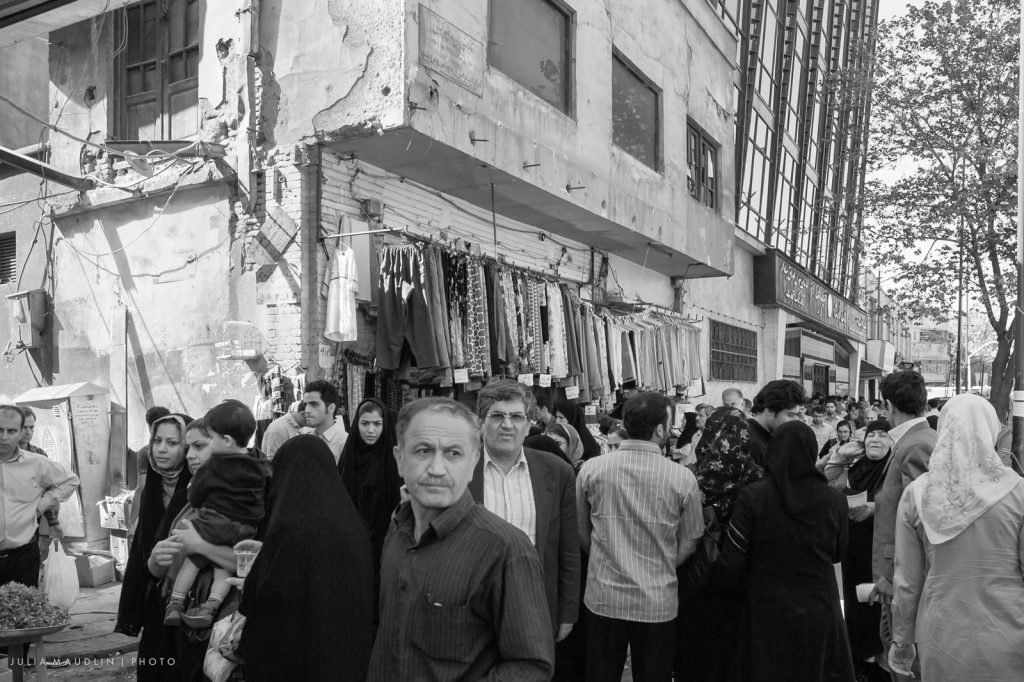
Vegetable oil in Iran now costs 383% more than it did a year ago. Eggs are up 294%, chicken 177%, red meat 148%. The Guardian, which gathered those August figures, also reported that demand for red meat in April was half what it had been twelve months earlier. For many families the monthly question is no longer what to buy but whether they can afford food and medicine at all.
Six months after the United States and Israel launched the war, that is the pressure sitting under Iran’s leadership. Fighting is only part of the story now. The money is the other part.
Prices, the rial and the petrol queues
On August 23 the US dollar touched about 2 million rials on the open market, a record. Three days later Iran’s Statistical Centre put year-on-year inflation for August at 84.4%, with the annual average near 65%. Reuters, writing a few days earlier, had the figure at 66% for July.
Petrol is short too. Livemint, summarising the Guardian’s reporting, described long lines of cars in Tehran and Mashhad and many stations closed. Officials blamed panic buying after rumours of a fuel price rise, plus damage to oil storage from Israeli strikes. The head of the Basij, Hojatoleslam Taeb, told people to cut petrol use by as much as 10% and called avoiding unnecessary trips an act of patriotism. Mohsen Rezaei, secretary of the Supreme National Security Council, urged young people to make at home the goods they need. One economics magazine editor, Mohammad Taheri, likened that advice to Mao’s backyard steel furnaces.
Leaders admit the toll but do not back down
Iran’s leaders are now saying openly that the war is hurting. Supreme Leader Ayatollah Mojtaba Khamenei, who has not appeared in public since he was injured in the February 28 attack that killed his father, issued a written statement. “There is the need to seriously address the chain of economic and livelihood challenges, such as inflation, unemployment, management of prices and the market for goods and services,” it said. President Masoud Pezeshkian told state media that exports and imports had fallen by nearly 35% under US sanctions and a naval blockade of Iranian ports.
He added that Iran had sold about 90 million barrels of oil while the June memorandum of understanding was in force. Signed on June 17, the deal fell apart quickly over disagreements about what it covered, above all the Strait of Hormuz. Pezeshkian asked on state television for it to be revived. Energy analyst Amirhossein Hashemi-Javid told the Guardian that channels for selling Iranian crude are drying up, which cuts government revenue and makes storing unsold oil costlier and riskier.
Washington tightens the screws
The Trump administration has called its campaign an “economic D-Day”; the Guardian-sourced coverage names it Operation Economic Outcast. The Treasury warned countries to cut business with Iran or face secondary sanctions, though it held back from penalising major trading partners such as China and India. It did sanction Egypt’s Banque Misr over dealings with Tehran, proposing to cut its UAE branches off from dollar transactions, and it targeted a Hong Kong entity and a person linked to Iran’s Bank Melli.
Tehran gave no ground on Saturday. A government statement vowed to withstand US pressure, keep pursuing diplomacy and maintain what it called control of the Strait of Hormuz. Qatar’s prime minister, Sheikh Mohammed bin Abdulrahman Al Thani, had met Iranian leaders in Tehran two days before. Foreign Minister Abbas Araqchi called the talks “creative”. The Revolutionary Guards’ navy, meanwhile, said claims that the strait is open are “an obvious lie”.
Sources
- War Weighs on Iran's Economy as US Intensifies Sanctions
- Iran economic crisis deepens: Food prices soar, Rial at record low as US launches new sanctions | Today News




