
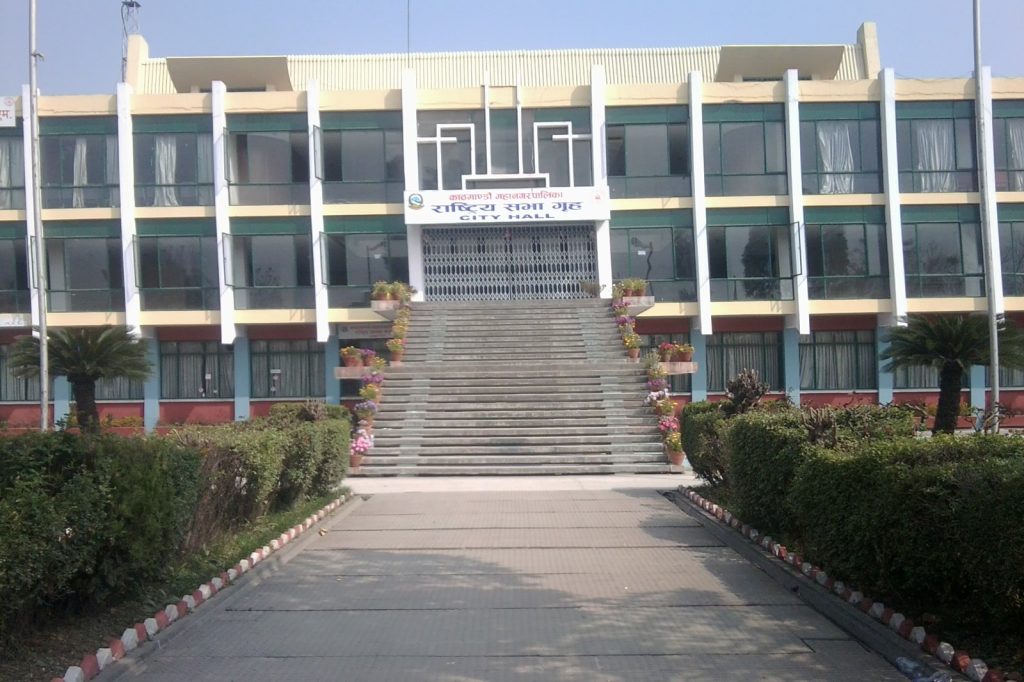
At 1:15 pm on Friday, July 3, Nepal’s National Assembly sat down to a crowded afternoon. The agenda was dominated by money. Before members could turn to the spending plans of the major ministries, the Assembly’s secretary, Tul Bahadur Kandel, had paperwork to get through: six messages from the House of Representatives, each announcing a bill the lower chamber had already dealt with.
What landed in the upper house
Four of them came first. They were the Finance Bill, 2083, the bill to raise the national debt, the Public Procurement (Second Amendment) Bill, and the Prevention of Money Laundering (Third Amendment) Bill. The other two, the Cooperative (First Amendment) Bill and a bill amending several Nepal laws that relate to the Institute of Health Sciences, were tabled right after, according to myRepublica.
The same sitting was also set to take up the Appropriation Bill, 2083, which sets out the government’s yearly spending, with group discussions on allocations for ministries ranging from Finance and Defence to Home Affairs, Foreign Affairs, Agriculture and Energy. Budgets for the offices of the President, the Vice President and the Prime Minister were on the list too, ShareSansar reported.
The cooperative bill and the money-laundering question
One of the six had a clear history behind it. On July 2, a majority in the House of Representatives passed the Cooperative (First Amendment) Bill, which had been introduced to replace an ordinance. Pratibha Rawal, the minister for land management, cooperatives, federal affairs and general administration, told lawmakers a separate bill had become indispensable because Nepal had been placed on the global Grey List over money laundering.
MPs pressed the minister on the details. They said depositors’ savings should be repaid by the cooperative concerned and not by the government, that cooperatives should operate only locally, where they are registered, and that a single central regulator was needed, Rising Nepal reported.
What came next
The Finance Bill moved fastest. On July 9, the National Assembly passed it and sent it back to the lower house. Dr Swarnim Wagle, the finance minister, had asked members to approve it without further changes, and a majority carried his motion for deliberation. Four members (Dangal, Devkota, Meche and Portel) raised concerns about proposed taxes on education and health services.
Sources
- Six bills tabled in National Assembly (myRepublica)
- HoR: Cooperative (First Amendment) Bill, 2083 passed (Rising Nepal)
- Upper House passes Finance Bill, 2083 (Rising Nepal)
- National Assembly to Discuss Budget Bills and Ministry Allocations Today (ShareSansar)




