
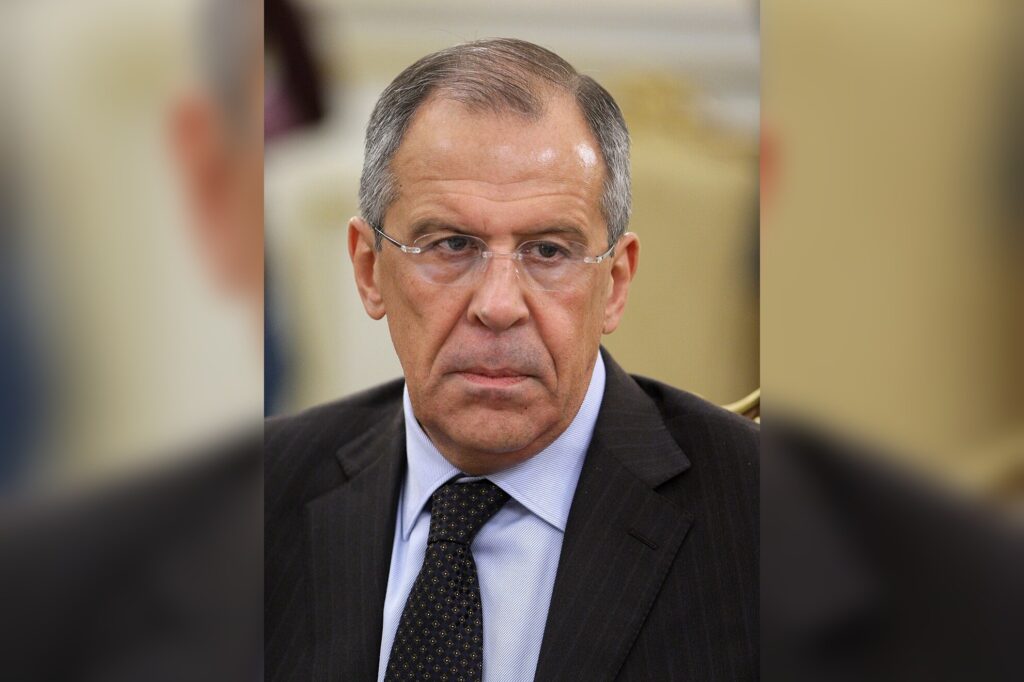
MOSCOW, July 15 — The shift is unmistakable: after more than two decades as the face of Russian diplomacy, Sergei Lavrov remains the Kremlin’s most durable messenger, but the ground beneath him is changing. Now 76, Lavrov has served as Russian Minister of Foreign Affairs since March 9, 2004, making him the longest-serving foreign minister in post-Soviet Russia. His tenure has outlasted multiple US administrations and European leadership cycles, yet the war in Ukraine has fundamentally redefined his role from diplomat to wartime spokesman.
Born on March 21, 1950, in Moscow, Lavrov graduated from the Moscow State Institute of International Relations (MGIMO) in 1972, the traditional training ground for Soviet and Russian diplomats. He cut his teeth at the United Nations, serving as Russia’s Permanent Representative from 1994 to 2004 before moving to the Foreign Ministry.
That UN experience once cast him as a skilled multilateral operator, but the trend underneath his current posture is something else entirely.
The War’s Spokesman
In the context of the Russo-Ukrainian War, Lavrov has become the primary spokesperson for Russian policy, defending the 2022 invasion as a “special military operation” while condemning Western sanctions and military aid to Ukraine. His language has sharpened as the conflict has ground on. When Ukraine struck Russian vessels in the Black Sea, Lavrov accused Kyiv of “piracy” and violating international maritime law.
Watch this space: that accusation signals Russia’s intent to frame maritime incidents as legal breaches, not just military engagements. Lavrov has also been involved in diplomatic efforts, including the 2022 Istanbul peace talks and negotiations on the Black Sea Grain Initiative.
Those talks produced the only significant wartime agreement between Moscow and Kyiv, allowing grain exports from Ukrainian ports. But the initiative collapsed amid mutual recriminations, and Lavrov’s participation in further negotiations remains uncertain.
Sanctions and Isolation
The diplomatic price has been steep. Lavrov faces sanctions from the US, EU, UK, and other countries for his role in the war. These measures restrict his travel, freeze assets, and limit his engagement with Western counterparts.
What’s changing is the degree of isolation: once a fixture at UN General Assembly sessions and G20 foreign ministers’ meetings, Lavrov now operates in a narrower diplomatic lane, focused on China, India, Africa, and the Middle East. His longevity inside the Kremlin is notable.
Lavrov has served under three Russian presidents — Vladimir Putin, Dmitry Medvedev, and Putin again — surviving purges and reshuffles that removed other senior officials. That staying power suggests he retains Putin’s trust, even as the Foreign Ministry’s influence has arguably shrunk relative to the Security Council and the Defense Ministry.
What’s Next
The trend underneath Lavrov’s career is the transformation of Russian diplomacy itself. The institution he leads has shifted from a tool of engagement to a weapon of information warfare and legal justification for military action. For Lavrov personally, the question is whether he can maintain his position as the war grinds on, or whether the Kremlin will eventually turn to a new face for a new phase.
Watch this space: Lavrov’s next public appearance — at the UN General Assembly in September or at a BRICS foreign ministers’ meeting — will signal whether Moscow intends to re-engage or deepen its isolation. For now, the longest-serving foreign minister in post-Soviet Russia remains at his post, defending a war that has redrawn the map of European security.
What’s changing is the audience: fewer Western diplomats are listening, and those who do hear a very different message than the one Lavrov delivered from the UN podium two decades ago.




