
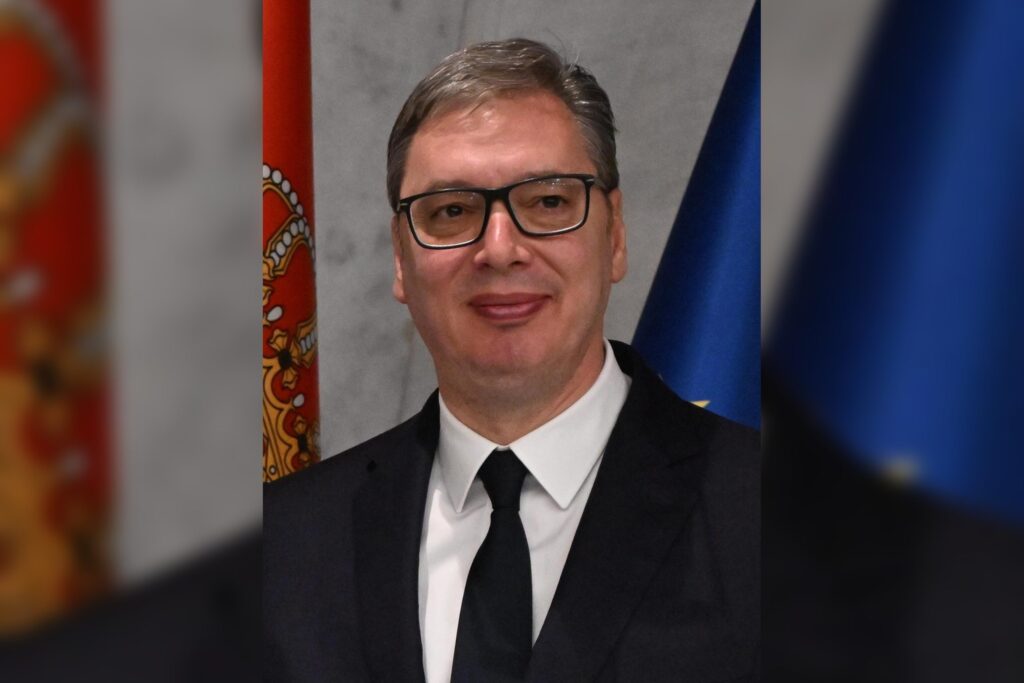
BELGRADE, June 27 — President Aleksandar Vucic announced Saturday he will step down within weeks, a move that sets the stage for early presidential and parliamentary elections in Serbia. The announcement came as a surprise to many. Vucic, who has held power for years, said he plans to resign, though he did not specify an exact date for his departure.
The decision, he indicated, is intended to trigger a fresh electoral cycle. For families across Serbia, this kind of political shake-up can feel distant — until it isn’t.
What this means for patients, for the elderly, for young people looking for stable jobs, is the question that lingers. The human side of a leadership change often shows up in quiet ways: in the clinic waiting room, at the grocery checkout, in the conversations parents have about the future. Vucic’s resignation paves the way for early elections, both presidential and parliamentary.
The timing suggests a calculated political move, though the president framed it as an opportunity for renewal. He offered no further details on who might succeed him or what his own plans are after leaving office.
Behind the breakthrough — or breakdown, depending on one’s view — lies a country navigating a complex relationship with the European Union while maintaining ties with Russia and China. Serbia has walked a careful line for years, balancing Western integration with historical alliances. A change at the top could shift that balance, though Vucic’s party remains deeply entrenched.
The president’s announcement did not include a specific timeline for the elections. He said only that they would take place after his resignation, which he promised would happen within weeks. The opposition, long frustrated by what they see as Vucic’s tight grip on institutions, will now face the challenge of organizing a campaign on short notice.
For now, Belgrade is waiting. The city’s cafes are full of speculation.
The newsstands carry headlines that shift by the hour. And in the neighborhoods where people go about their daily routines, there is a quiet sense that something has changed — even if no one is quite sure what comes next. What to watch in the coming weeks: whether Vucic follows through on his promise, how the opposition responds, and what signals the government sends to Brussels and Moscow.
For the people of Serbia, the real story will be written not in press conferences, but in the months after the ballots are counted.




