
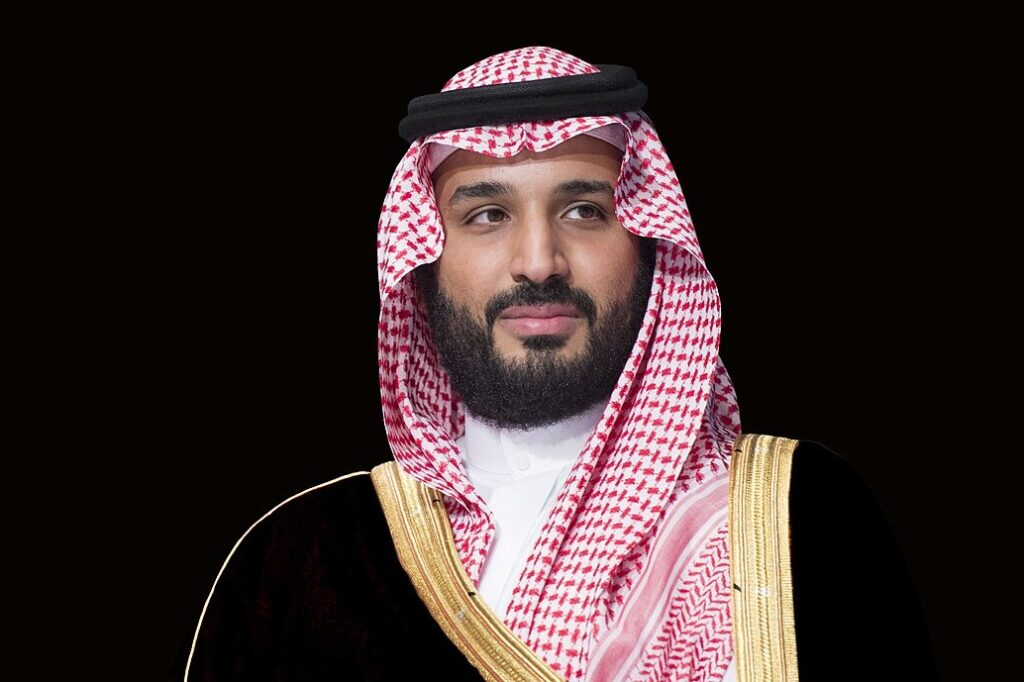
Mohammed bin Salman was 29 when his father became king in January 2015 and handed him the defence ministry, the economic council and Saudi Aramco. Three months later he was deputy crown prince. In June 2017 he became crown prince.
Born in Riyadh on August 31, 1985, he took a law degree at King Saud University in 2007. Karen Elliott House, writing for Harvard’s Belfer Center, described how fast he moved once his father took the throne: within twelve hours, he had gathered four advisers to plan a restructuring of the Saudi government and set up two powerful councils that he would chair.
Vision 2030 and its limits
He announced Vision 2030 in April 2016. The plan has approximately 1,300 initiatives meant to build a modern private sector and wean Saudis off government jobs and oil. The results, House wrote in 2019, were uneven. Cuts to energy subsidies, a VAT and higher levies on foreign workers hit consumer spending, and about 1.1 million expatriate laborers left the Kingdom over two years. “The private sector is on its back,” one analyst told her.
Philip Leech-Ngo of the University of Ottawa made a different point in The Conversation: the plan left untouched “the absolute authority of the royal family within the country.”
Women and the religious police
The social changes were real. Women were allowed to drive from June 2018, cinemas reopened that year, and the religious police were curbed. Women make up 60 percent of university graduates, House noted, and they have gained leadership roles in major institutions.
But the activists who had campaigned for the right to drive were jailed shortly before the ban ended.
Arrests and abroad
At home, the crown prince arrested hundreds of prominent figures, royal cousins, ministers and intellectuals among them. Sheikh Salman al-Ouda, a religious scholar, faced trial on 37 charges after a tweet read as criticism of the Qatar boycott.
Abroad, the record is rougher. The Yemen intervention began in March 2015 and was costing an estimated $25 billion annually by 2019, with no strategic gain, according to House. Leech-Ngo called the Qatar blockade, which ran from June 2017, “unprecedented and unsuccessful.” He also pointed to the detention of Lebanon’s prime minister and “a bizarre feud with Canada over a tweet.”
Khashoggi
Journalist Jamal Khashoggi was killed by a team of Saudi operatives at the Istanbul consulate in October 2018. The crown prince denied involvement, though the CIA reportedly concluded otherwise. Saudi authorities called it “a rogue operation.” Leech-Ngo was blunt: “All evidence points to a personal involvement of the Saudi crown prince.”
Sources
- Profile of a Prince: Promise and Peril in Mohammed bin Salman's Vision 2030
- Saudi Arabia's gathering storm over its erratic crown prince
- Mohammed bin Salman: Crown Prince and Architect of Vision 2030




