
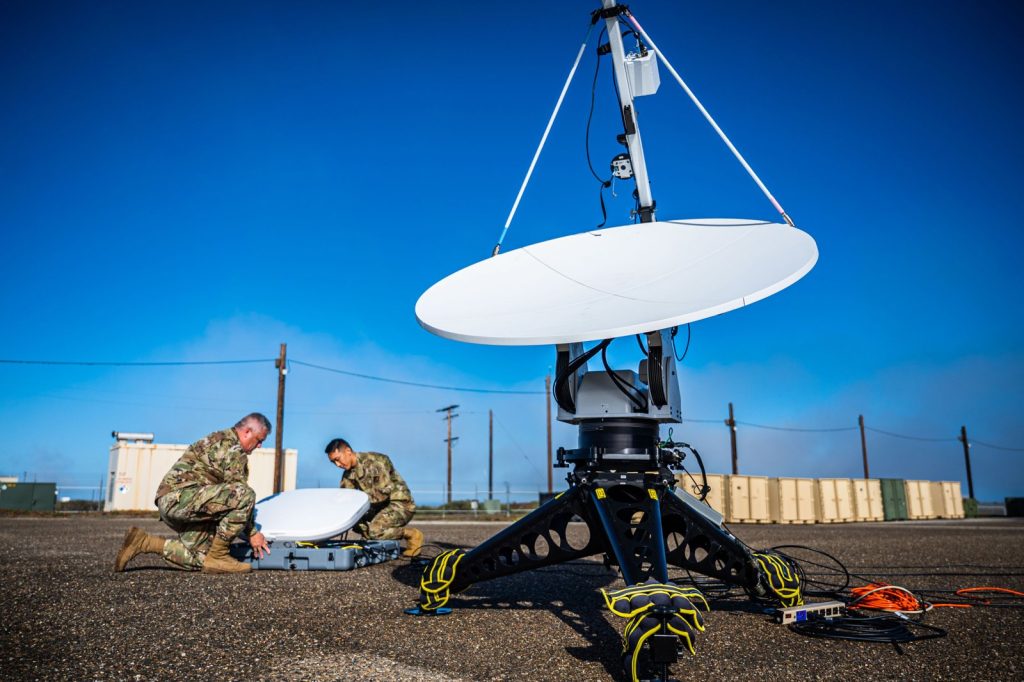
The shift is visible from Zaporizhzhia: the cheap, precise, Starlink-piloted drones that reshaped Ukraine’s battlefield logistics now have a dedicated adversary. Russia is installing powerful jammers near towns and military facilities to break the satellite links those drones fly on, Ukrainian drone commanders and pilots told Reuters on a visit to the 422nd Unmanned Systems Regiment, and the contest between jammer and link has become the war’s newest arms race.
What’s changing is the target set. Kyiv’s “mid-strike” drones reach dozens of kilometres behind the front lines at low cost, and in this year’s concerted campaign they have struck supply routes, fuel depots, air-defence sites and command posts, disrupting Russian logistics badly enough to cause fuel shortages in occupied Crimea. Rob Lee of the Foreign Policy Research Institute calls the mid-strikes perhaps the most important battlefield development of the year.
Moscow’s countermeasures are two-track. On the electronic side, systems such as the Volna throw Starlink signals out of alignment across a 20-square-kilometer patch, though the devices themselves have become high-priority targets for the very drones they hunt. On the physical side, disguise: “We hit water tankers and the tankers were burning because there was gasoline inside,” commander Kolesnyk said, and “We’ve hit painted-up milk trucks that had diesel fuel in them.” Russian units now move fuel in small convoys escorted by machine-gun pickups, favour smaller roads, and, per Ukrainian intelligence, use civilian cars, quadbikes and motorcycles, camouflaged dugouts and even civilian petrol stations to keep the front supplied.
The trend underneath is older than this summer’s jammers. Russian electronic-warfare units moved against Starlink within weeks of the February 2022 invasion, degrading connectivity near Bakhmut and Severodonetsk by March 2022. The answer came as adaptation: low-bandwidth transmissions, diversified terminal placement, then SpaceX’s own adjustments, dynamic beam steering to skirt jammed zones, ground-station redundancy, and mesh-networked terminals creating paths around damaged links. The result, per one long-running analysis, is “increasingly resilient Starlink operations”, with over 30% of reported jamming incidents now aimed at individual user terminals rather than the constellation.
The duel has a scoreboard mentality on both sides. When a RAM-2X drone missed a fuel tanker during the Reuters visit and the surveillance drone shadowing it fell to a Tor missile, a crewman logged the launcher into Ukraine’s digital targeting system with a shrug for the record: “At least we know it’s there now”. For all the ingenuity, Russia still occupies roughly a fifth of Ukraine, and not every strike lands. But if, as Lee warns, “If they scale production of the jammers, they could make it more difficult to conduct the middle-strike campaign” – well, watch this space: the next move is already being assembled in the dark, under red headtorch glow.
Sources
- Starlink Jamming Attempts | Ukraine War Analytics
- Russia deploys jammers to disrupt Ukraine's Starlink drones| Cybernews




