
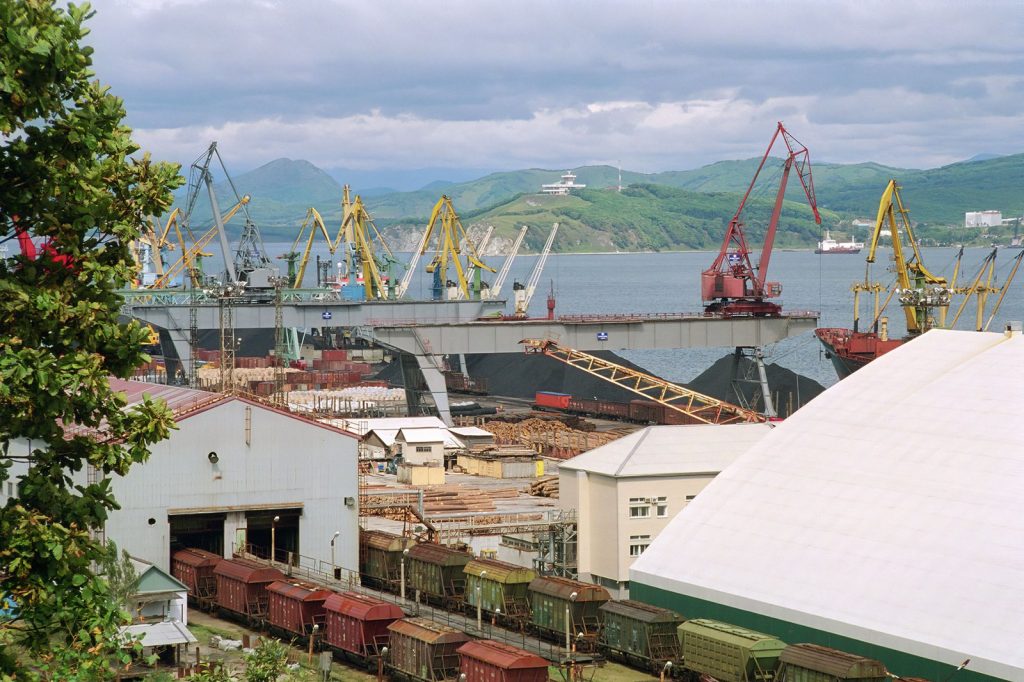
MOSCOW, July 10 — Against this backdrop of war and economic isolation, Russia’s vast petroleum infrastructure has become a landscape of vulnerability, its refineries and export terminals exposed to a campaign of drone strikes that began in earnest in early 2024. The scale of the country’s oil operations is considerable. More than 40 major refineries are spread across Russian territory, feeding a network of export terminals that connect the country to global markets.
Among the most significant of these processing plants is the Kirishi refinery, with a capacity of 20 million tons per year, and the Tuapse refinery, capable of handling 12 million tons annually. These are not remote industrial sites; many are situated near populated areas, a reality that raises the stakes for civilian safety and environmental risk in the event of an attack.
The January 2024 strikes brought this risk into sharp focus. On January 24, the Tuapse refinery was hit. The facility is a major supplier of fuel to southern Russia as well as to export markets, meaning the disruption ripples outward through both domestic supply chains and international trade flows.
The attack on the Ust-Luga terminal, a key hub on the Baltic Sea, was equally consequential. Ust-Luga handles about 1.5 million barrels per day of crude and oil products, much of it destined for European and global buyers.
The terminal’s location on the Baltic coast makes it a strategic artery for Russian energy exports westward. What is at stake in these strikes goes beyond the immediate loss of processing capacity. The wider picture involves a complex web of export infrastructure that includes Novorossiysk on the Black Sea, handling about 1 million barrels per day, and Kozmino on the Pacific coast, which serves Asian markets.
In 2023, Russia was producing approximately 10.5 million barrels per day of crude oil, with about 5 million barrels per day flowing to export destinations. Any sustained disruption to the refinery or terminal network could therefore have significant consequences for global supply balances. In the corridors of energy diplomacy, these developments are being watched closely.
European capitals, which have worked to reduce dependence on Russian energy since the invasion of Ukraine, now face a paradoxical situation: the very infrastructure they once relied upon is being degraded by conflict, potentially tightening markets and keeping prices elevated. For Moscow, the damage to its refining and export capacity represents both a military vulnerability and an economic liability, as revenues from oil sales remain a critical source of hard currency for the war effort.
The environmental dimension cannot be ignored. Refineries and terminals located near populated areas carry inherent risks of spills and atmospheric pollution. A strike that damages storage tanks or pipelines could release toxic substances into the air, soil, and waterways, affecting communities that have little say in the geopolitical calculations driving the attacks.
The Tuapse refinery, situated on the Black Sea coast, is particularly exposed in this regard; a major accident there could pollute a sensitive marine environment that is also a tourism and fishing resource for the region. Looking ahead, the question is whether the pattern of strikes will expand.
The Russian oil industry has proven resilient in the face of sanctions, rerouting exports to India, China, and other Asian buyers. But physical damage to infrastructure is harder to circumvent than financial restrictions. If attacks continue to target the country’s refining and export capacity, Moscow may find itself increasingly unable to process and ship the crude it produces, forcing deeper production cuts that would further strain an economy already under pressure from Western sanctions and military spending.
For now, the petroleum landscape of Russia remains intact but scarred, a vital industrial system operating under conditions of war that no peacetime planner anticipated. The next phase of this conflict will determine whether these facilities become recurring targets or whether a new equilibrium emerges, one in which the risks to civilians and the environment are weighed against the imperatives of military strategy.




