
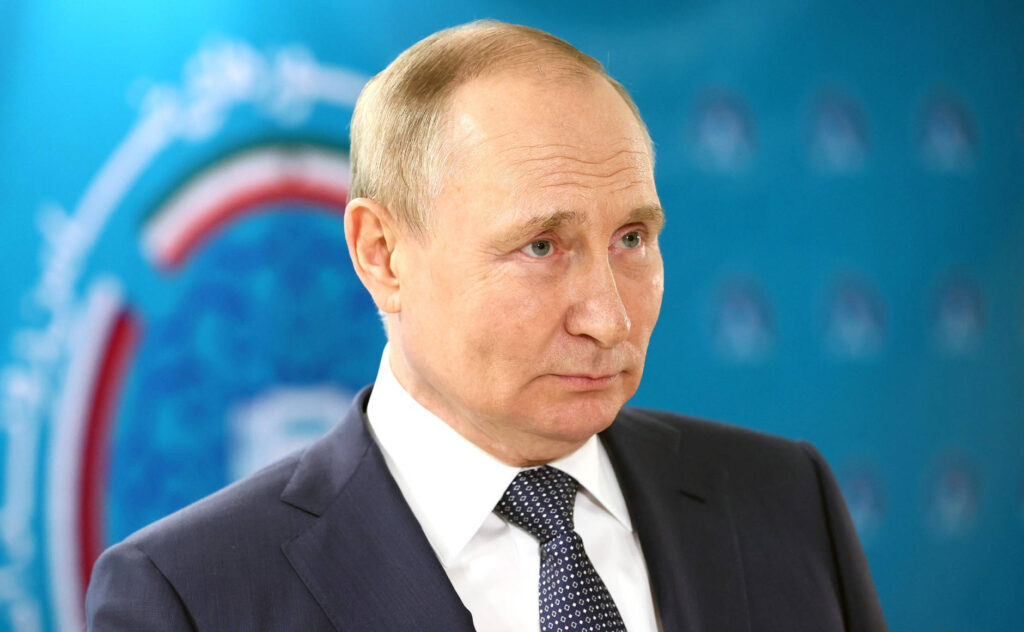
“The mobilization of students and conscripts is out of the question.” Sergei Shoigu said that on September 21, 2022, the day Vladimir Putin announced Russia’s first mobilisation since World War II. The defence minister put the call-up at 300,000 reservists, drawn from a pool of nearly 25 million people, or slightly more than 1 percent of it, Meduza reported.
Putin spoke in a pre-recorded television address. Occupied Ukrainian territories were about to hold annexation referendums, and Moscow’s forces had been taking losses. Only those currently in the reserves would be conscripted, he said. Al Jazeera noted the distinction from a full mobilisation, which could in theory sweep up every man between 18 and 60. Markets did not wait for the details: the rouble fell to two-month lows near 63 to the dollar.
Declared over, never cancelled
Within weeks the Kremlin said the job was done. Putin announced that Russia had enlisted 300,000 reservists and wrapped up the “partial mobilisation.” On November 1, 2022, the Kremlin added that no formal decree was needed to end it, Reuters reported.
The original decree, though, was never revoked and no replacement was issued. Reuters said that gap alone sparked apprehension that Russia was keeping the option of further recruitment drives open.
Three months later Meduza asked why Putin still had not signed an order ending it. Kremlin representatives answered that the mobilization order remained in effect because it “includes other measures apart from call-up.” The Defense Ministry took the same line. Ukraine’s military leadership, for its part, assessed that “a new wave of mobilization may happen Russia towards the end of February.”
The exact figures behind the call-up stayed classified.
Sources
- Shoigu: 300,000 reservists to be drafted into army (Meduza)
- Putin's plan: What does partial mobilisation mean? (Al Jazeera)
- Kremlin: No decree needed to end 'partial mobilisation' (Reuters, via The Business Standard)
- Why hasn't Putin signed a decree to end mobilization? (Meduza)




