
From Military Reporter to Roscosmos Advisor: The Ivan Safronov Case
Ivan Safronov was thirty years old when officers took him from his Moscow apartment on July 7, 2020. Prior to that moment he had spent several years covering defence matters for two of Russia’s leading newspapers, Kommersant and Vedomosti. His beat included weapons exports and the movements of Russian troops in Africa and the Middle East, topics on which he built a reputation for thorough reporting.
Approximately two months before his detention Safronov left the newsroom to become an adviser to Dmitry Rogozin, who at the time headed the state space corporation Roscosmos. The shift from journalist to government insider happened quickly and lasted only a few weeks.
By contrast, the legal proceedings against him have stretched on for years. On Tuesday a Russian court handed down a sentence of twenty‑two years in a strict‑regime colony. The charge was state treason. Prosecutors alleged that Safronov had transferred classified information to Czech intelligence, specifying that the material dealt with Russian arms supplies and the activities of the Russian Armed Forces in Africa and the Middle East – precisely the subjects he had written about as a reporter.
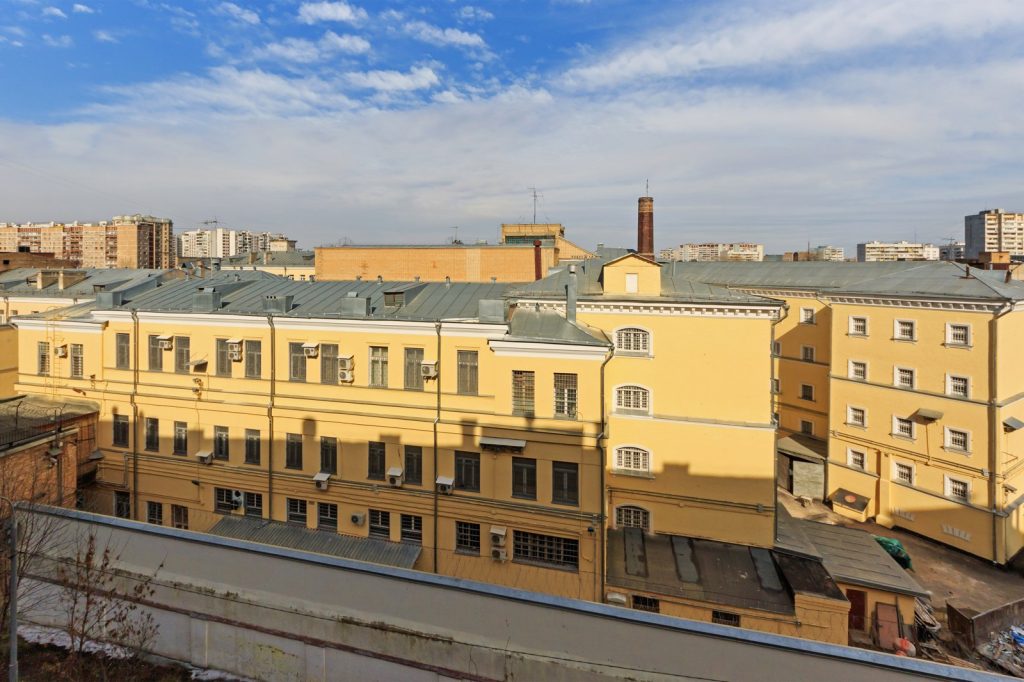
The timing of his arrest matches the moment the Lefortovsky Court in Moscow granted the prosecution’s request, also on July 7, 2020. The speed with which the decision was made suggested it had been reached before any hearing.
Six days later, on July 13, the investigation formally presented the treason charge. His pre‑trial detention was subsequently extended repeatedly, finally lasting until April 7, 2022. The trial itself continued for additional years after that point.
Russian‑language outlets and the online encyclopedia Wikipedia have followed the case closely. What emerges is a picture of a reporter who performed his professional duties and then was punished for them.
Safronov wrote about sensitive defence issues because that was his assigned beat. Russian authorities appear to have interpreted those articles not as journalism but as a threat to national security, effectively drawing the line between reporting and espionage themselves. The imposed term ranks among the harshest ever given to a journalist in contemporary Russia.
Twenty‑two years in a strict‑regime colony is not a period aimed at rehabilitation; it is intended to remove the individual from society. The underlying message is clear: covering the Russian military’s overseas activities can lead to consequences far beyond a fine or a short jail term.
Inside Russia the case has attracted attention, although much of the coverage comes from state media that repeat the prosecution’s narrative. Many observers consider the charges politically motivated, noting that the arrest came only weeks after Safronov transitioned from journalism to an advisory role at Roscosmos. This timing fuels debate over whether he was seen as a spy who had infiltrated the space agency or as a journalist whose earlier work made him a target the moment he entered government service.
The court endorsed the first interpretation, as reflected in the sentence. For reporters still working in Russia, the Safronov verdict serves as a marker of where permissible reporting ends.
Writing about Russian arms sales to Africa or the Middle East can now, in practice, be treated as a crime if the authorities decide it is. The lengthy penalty is not merely about one man; it signals the limits the Russian government places on its press corps. Safronov was born in Moscow on May 18, 1990.
He began his career as a reporter, later became an adviser to Roscosmos, and is now incarcerated with a term that will keep him behind bars until he reaches the age of fifty‑two. While the case has garnered international interest, within Russia the legal process has proceeded without interruption.
The verdict has been delivered, and the colony awaits his arrival.




