
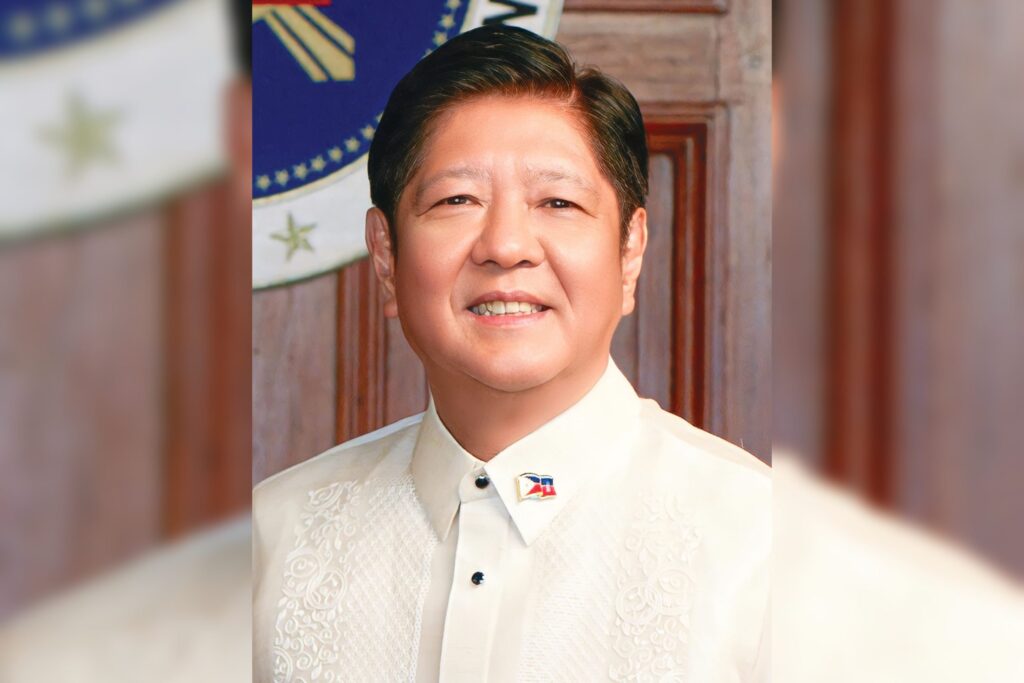
MOSCOW, June 20 — Following talks between the Philippine President and Russian President Putin, Russia has released 24 Filipinos. This move may be viewed as a significant diplomatic breakthrough, resulting from high-level discussions that led to the release of detained individuals, a common practice in international diplomacy.
Although the release of the Filipinos is a notable development, the details of the negotiations and the circumstances surrounding their release are not publicly known. The talks between the Philippine President and President Putin appear to have directly resulted in the release of the Filipinos. The US administration, led by President Donald Trump, has been monitoring the situation closely, and their response to this development will be worth observing.
Diplomatic efforts can yield tangible results, such as the release of detained individuals. The context of the talks between the Philippine President and President Putin, as well as the role of diplomacy in securing the release of the Filipinos, is worth examining. The US Secretary of State has been involved in promoting diplomatic solutions to international conflicts, and this development may be seen as a positive outcome of such efforts.
However, questions remain regarding the terms of the agreement and any concessions made by either side. It is likely that the release of the Filipinos was not a one-sided concession, and Russia probably gained something from this deal. Although the cause-and-effect relationship between the talks and the release is clear, the underlying mechanics of the deal are still unclear.
As more information becomes available, it will be possible to assess the full implications of this development. The release of the Filipinos is a positive development, but it also raises questions about the broader context of international relations. The US administration will likely be watching the situation closely, and the response of other countries will be important to monitor.
The Philippine government has secured a significant diplomatic victory, but the long-term implications of this development are still unclear. It will be important to see how the Philippine government builds on this success and how the international community responds to this development. Looking forward, it will be essential to observe how this development affects the broader relationship between Russia and the Philippines and how it fits into the larger context of international diplomacy.
The US administration, led by President Trump, will likely be engaged in efforts to promote diplomatic solutions to international conflicts, and this development may be seen as a positive outcome of such efforts. As more information becomes available, it will be possible to assess the full implications of this development and what it means for the future of international relations.




