
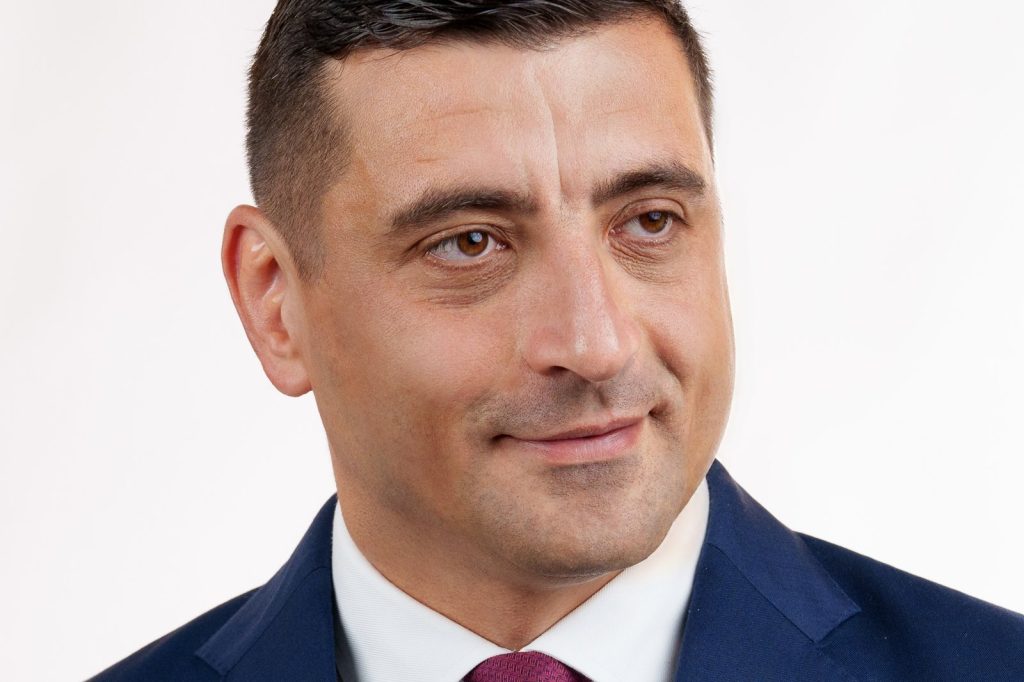
On May 18, 2025, voters across Romania returned to the polls for the runoff of the presidential election, a decisive contest that followed a first round in which neither contender secured an outright majority. The ballot pits George Simion, a far‑right figure known for his nationalist rhetoric, against Nicușor Dan, who runs as an independent while serving as the incumbent mayor of Bucharest and presenting himself as a centrist. The election has attracted considerable attention both inside the country and beyond its borders.
As a member of the European Union and NATO, Romania’s choice of leader is seen as having implications for its role within those alliances and for its broader positioning in Europe. The two candidates embody contrasting visions.
Simion’s campaign emphasizes nationalist themes that have found support among certain voters but have also prompted worries about a possible drift away from European integration and democratic norms. Dan, by contrast, stresses stability, economic growth, and continued alignment with Western democracies. His independent status allows him to reach a wide range of electors seeking a moderate alternative to the far‑right option.
International observers, especially the United States and other Western allies, are monitoring the outcome closely. The United States has long maintained strong diplomatic and strategic ties with Romania, valuing it as a key partner in Eastern Europe.
A victory for Dan could be interpreted as reinforcing those ties, given his stated commitment to European and transatlantic cooperation. Conversely, a win for Simion might introduce uncertainty into those relationships, as his far‑right orientation could lead to a reassessment of Romania’s foreign‑policy alignments. China’s growing economic and political influence in Eastern Europe, particularly through initiatives such as the Belt and Road Initiative, is another factor under scrutiny.
Romania has taken part in Chinese‑led economic forums but has remained cautious, reflecting a wider European skepticism about Beijing’s intentions. The next president will need to weigh potential economic opportunities with China against the imperative to preserve solid relations with the United States and the European Union—a delicate diplomatic balancing act.
Regional security considerations also loom large. The ongoing conflict involving Russian‑backed forces in Ukraine has made Romania’s stance on NATO and regional defense a topic of keen interest. Romania has been a vocal supporter of Ukraine’s sovereignty and has participated in defense discussions within the NATO framework. Whoever wins the presidency will be expected to maintain that supportive posture while addressing domestic concerns and economic challenges.
The United States, a principal backer of Ukraine, will be looking for continuity in Romania’s proactive approach to regional security. As ballots are tallied, both Romanian citizens and international analysts will be assessing what the result signals for the country’s future direction.
The U.S. President and other Western leaders may extend congratulations and express eagerness to collaborate with the incoming president, highlighting the importance of continued cooperation on security, economic, and democratic matters. For Romania, this election marks a pivotal moment that will shape not only its internal political landscape but also its stance on the global stage, especially regarding its Western allies and its posture toward challenging actors such as Iran and China.




