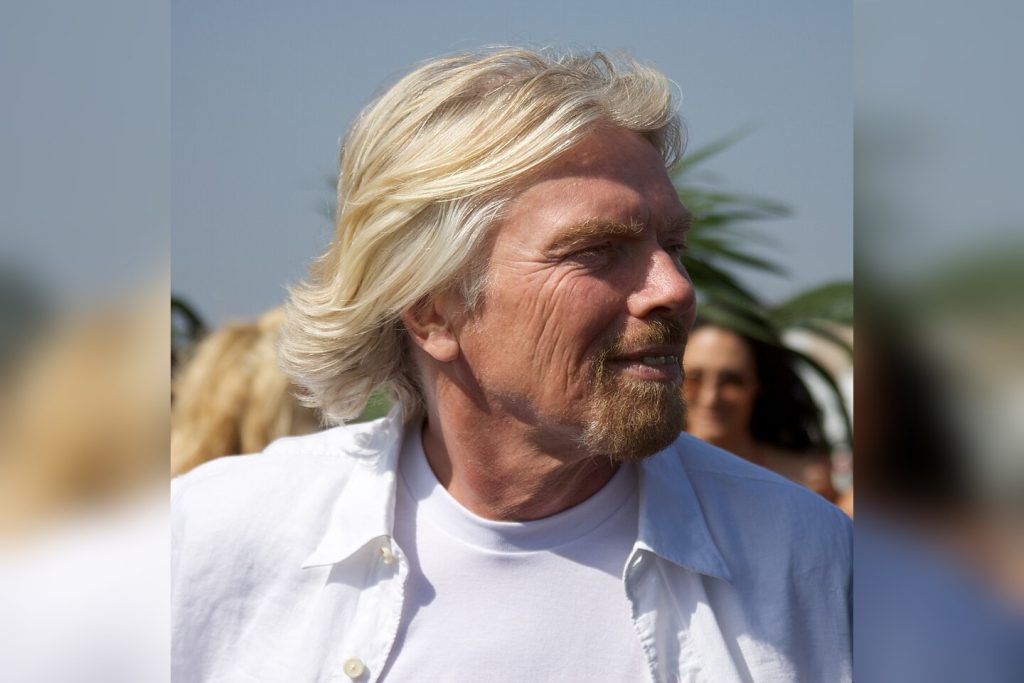
Richard Branson built a magazine started at 16 into one of Britain’s best-known business empires, and the family story behind it has an Indian thread that Asian readers tend to notice. His great-great-great-grandfather John Edward Branson left England for India in 1793, and four generations of the family then lived there, mostly at Cuddalore in what is now Tamil Nadu.
From Blackheath to Student
Branson was born on 18 July 1950 in Blackheath, London. His father, Edward James Branson, was a barrister; his mother, Evette, had been a ballet dancer and air hostess. He has two younger sisters, Lindy and Vanessa, and his paternal grandfather, Sir George Arthur Harwin Branson, sat as a judge of the High Court of Justice.
School did not go well. Branson has dyslexia, and on his last day his headmaster reportedly told him he would end up in prison or become a millionaire. His first venture came at 16, a magazine called Student. By 1970 he was running a mail-order record business, selling discs for considerably less than the high street chains, WHSmith among them.
Records, then everything else
A record shop on Oxford Street followed. In 1971 he was questioned over records declared as export stock; the matter never reached court because he agreed to repay the unpaid purchase tax and a £70,000 fine, and his parents re-mortgaged the family home to cover it.
In 1972 he launched the Virgin Records label. Mike Oldfield’s Tubular Bells, released in 1973, was its first release and a chart-topping best-seller. Virgin then signed the Sex Pistols, whom other companies avoided, and later the Rolling Stones, Peter Gabriel and Culture Club, growing into the world’s largest independent label.
Diversification came fast. Virgin Atlantic and Virgin Cargo started in 1984. Virgin Mobile arrived in 1999, Virgin Blue in Australia in 2000 and Virgin Galactic in 2004. In 1992 he sold the record label to EMI for £500 million to keep the airline afloat, and by his own account he wept when the deal closed. He re-entered music with V2 Records in 1996.
The British Airways fight
Relations with British Airways soured in the early 1990s. Virgin accused the larger carrier of poaching passengers, hacking its computers and planting negative stories. BA settled, paying Branson £500,000, his airline a further £110,000 and covering legal fees of up to £3 million. He shared his own payout among his staff.
Honours and the misses
Branson was knighted for “services to entrepreneurship” on 30 March 2000. Time magazine named him one of the 100 Most Influential People in the World in 2007, and in June 2023 Forbes put his net worth at US$3 billion.
Not everything worked. Virgin Cola, launched in 1994 with a Sherman tank crushing Coca-Cola cans in Times Square, was squeezed off shelves once Coca-Cola used its buying power. Virgin Cars and Virgin Brides also failed, as did several of his record-setting balloon attempts. Those who study his management style note that he shrugged off the setbacks and moved on, trusting his staff and staying visible.