
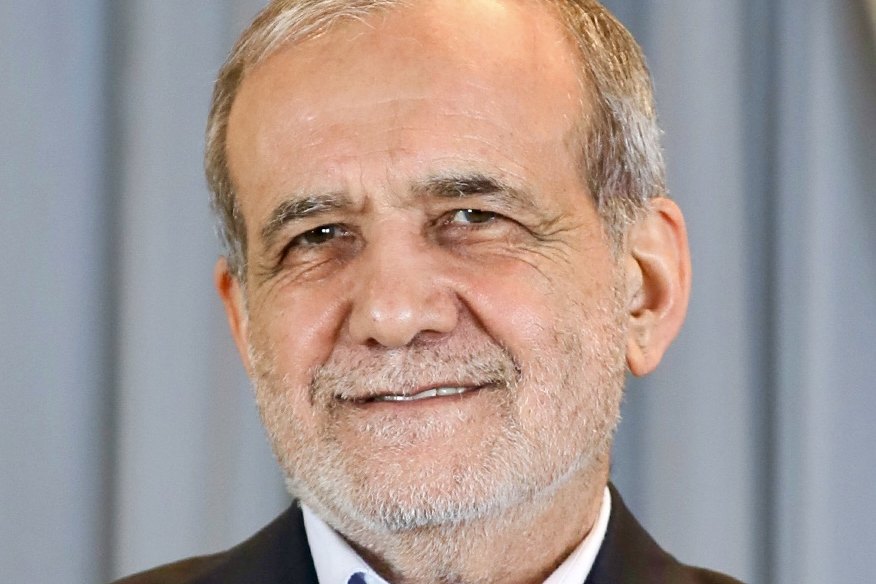
A heart surgeon few Iranians had heard of before this spring is now the country’s president-elect. Masoud Pezeshkian, the only reformist on the ballot, beat hard-line conservative Saeed Jalili in the runoff held on 5 July, taking 53.7% of the vote. Iran’s Ministry of Interior declared him the winner on 6 July, and Jalili conceded soon afterward.
The vote had not been due until 18 June 2025 at the latest. President Ebrahim Raisi was killed when his helicopter crashed near the village of Uzi in East Azerbaijan province on 19 May, which forced a snap election.
Officials reported that Pezeshkian collected 16.3 million votes to Jalili’s 13.5 million, a gap of more than 2.8 million. Jalili is a former nuclear negotiator with strong anti-West views.
How the race narrowed
The Guardian Council, which vets candidates, trimmed a long list of hopefuls to six: five hard-line conservatives and one reformist. Two withdrew before voting began. That left four names on the 28 June ballot.
Pezeshkian finished first with 44% of the vote, or 10.4 million votes. Jalili took 40%, or 9.4 million. Mohammad Bagher Ghalibaf, the parliament speaker and former mayor of Tehran, received 14%, and Mostafa Pourmohammadi, a cleric who had served in the Interior and Intelligence Ministries, got less than 1%. With nobody over 50%, the top two went to a second round. Only once before, in 2005, had Iran held a presidential runoff; Mahmoud Ahmadinejad beat Akbar Hashemi Rafsanjani that year.
Who stayed home
Turnout in the first round was 39.93%, the lowest for any presidential election in the history of the Islamic Republic. The runoff drew 49.68%, about 30 million people by official count. More than half of eligible voters still skipped it.
NPR linked the apathy partly to dissatisfaction with the Islamic Republic and partly to a belief that presidential elections rarely change much.
What a president can do
Pezeshkian ran on a pledge to engage more with the outside world, and he is expected to name moderate cabinet ministers. He has talked about easing social rules, including a smaller presence for the morality police on the streets. His proposals are modest overall. All important matters of state rest with Supreme Leader Ayatollah Ali Khamenei, and the government he inherits is still largely run by hard-liners, at a time of tension with the West over several issues including the war in Gaza.
Sanam Vakil, who directs the Middle East and North Africa program at the Chatham House think tank in London, doubted he could deliver. “It’s very unclear if he will be able to push them through and effect change, ultimately because the Iranian president on his own doesn’t have that much independent autonomy,” she said.
Pezeshkian was seated after ballot certification was completed, and his inauguration took place on 28 July.
Sources
- Reformist Masoud Pezeshkian wins Iran's presidential runoff
- 2024 Iranian presidential election – Wikipedia
Sources
- Reformist Pezeshkian wins Iran's presidential runoff : NPR
- 2024 Iranian presidential election – Wikipedia




