
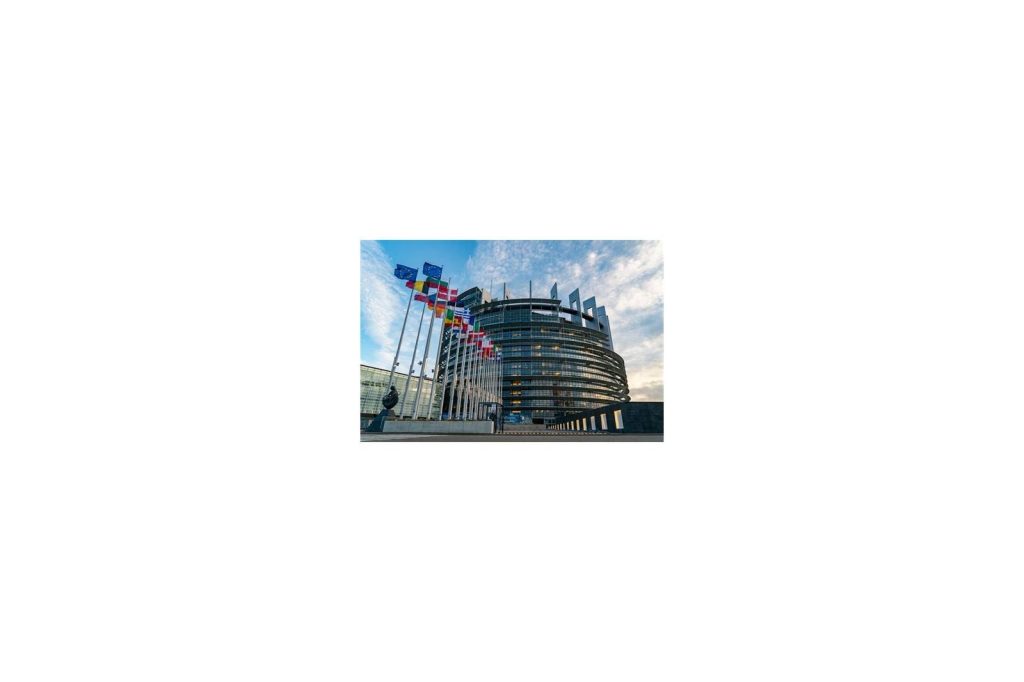
Allegations that members and officials of the European Parliament took cash and gifts from Qatar in return for political influence have ignited a severe credibility crisis for the EU’s main legislative body. The controversy, dubbed “Qatargate,” first emerged in December 2022 and has since expanded far beyond Brussels. At its core, the scandal rests on the claim that a foreign state attempted to purchase favourable treatment inside the Parliament.
If the accusations are substantiated, they would expose a fundamental breakdown of the institution’s internal safeguards, undermining the image of a transparent, democratic process that the Parliament relies on to represent more than 400 million EU citizens. The repercussions are not limited to Europe.
In Israel, a parallel episode known as the “Qatari connection affair” has raised similar concerns about undue influence. While the specifics differ, the pattern mirrors the European case: Qatari officials allegedly cultivated close ties with Israeli politicians, prompting fears that wealth from the Gulf state is being used to shape policy outcomes in a region already marked by volatility. Across the Atlantic, another strand of the story has surfaced involving former U.S. President Donald Trump.
Reports allege that Qatar offered a luxury jet as a gift to the former president. If true, the episode would raise stark questions about ethics and transparency, as most democracies consider the acceptance of high‑value gifts from foreign governments a clear breach of public‑service standards.
These three episodes—Europe, Israel and the United States—share a common thread: the exploitation of financial and material incentives by a wealthy foreign actor to gain political leverage. The method appears consistent—money, gifts, and privileged access exchanged for policy influence—regardless of the target institution. For the European Parliament, the stakes are particularly high.
As a supranational body that claims to legislate on behalf of hundreds of millions, any proof that its members can be bought threatens the legitimacy of the laws it enacts. The investigation remains ongoing, and the full extent of the alleged corruption is still being uncovered, but the damage to public confidence is already evident.
In Israel, the Qatari connection affair adds a layer of national‑security concern, given Qatar’s financial links to Hamas in Gaza. The suggestion that Israeli politicians might have been compromised by a state that also funds a militant group intensifies the political fallout and could destabilise an already fragile domestic landscape. In the United States, the jet‑gift allegations revive a long‑standing debate over the ethical standards of the nation’s highest office. The central question is whether a former president accepted a private aircraft from a foreign government and, if so, what expectations accompanied that gift.
The issue touches on the fundamental contract between elected officials and the public: decisions should serve the public interest, not the private interests of a foreign patron. Collectively, these scandals test the resilience of democratic institutions against foreign‑money influence.
They highlight the vulnerability of political systems when wealthy states view influence‑peddling as a viable tool of statecraft. The outcome of the investigations will determine whether the principle that public office cannot be bought remains intact across Europe, the Middle East and the United States.




